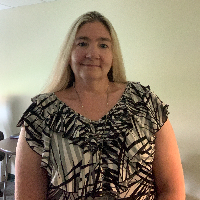
Julie Fahlmann, LCSW
Licensed in New York · 3 years in practice
Julie Fahlmann is a Licensed Clinical Social Worker who helps people manage stress, anxiety, addiction, trauma, depression, relationship struggles, parenting strain, grief, and low self-esteem.
License and registration
- LCSW, New York
- 082918 · expires January 2029
- NPI
- 1942465794 · national provider identifier
- Years in practice
- 3
- Languages
- English
Details are as listed on the therapist's public professional profile. You can check any license with the state board and any NPI with the national registry.
About Julie
Julie Fahlmann is a Licensed Clinical Social Worker who helps people manage stress, anxiety, addiction, trauma, depression, relationship struggles, parenting strain, grief, and low self-esteem. She also supports people facing bipolar disorder and attention-deficit challenges, along with concerns linked to adoption, attachment, caregiving, chronic illness, and domestic violence. Julie practices from New York and communicates in English.
Julie focuses on building a trusting connection first. She uses clear, practical approaches so conversations feel direct and useful.
Background and approach
Sessions aim to identify immediate problems, set small goals, and practice tools that people can use between meetings. Her background includes a range of mental health roles over three years of more recent clinical practice informed by earlier social work work. That mix gives her a practical sense of what works in crisis and everyday life.
She draws on both client-centered listening and evidence-based techniques to shape each plan. In sessions Julie often blends cognitive-behavioral strategies with solution-focused steps and motivational techniques. That means she helps people notice patterns of thinking, try small behavior changes, and set achievable next steps.
She also pays attention to how past experiences shape current reactions. Julie aims to keep therapy focused and collaborative. She works alongside people to clarify priorities, track progress, and adjust strategies as needed.
Her style is straightforward and compassionate, centered on making therapy feel relevant to daily life.
Focus areas and approaches
Everything Julie lists on their public professional profile, in their own terms.
- Stress, Anxiety
- Addictions
- Trauma and abuse
- Parenting issues
- Depression
- Relationship issues
- Family conflicts
- Grief
- Self esteem
- Bipolar disorder
- ADHD
- Abandonment
- Adoption and foster care
- Aging and geriatric issues
- Antisocial personality
- Attachment issues
- Autism and Asperger Syndrome
- Cancer
- Caregiver issues and stress
- Chronic pain, illness, and disability
- Codependency
- Communication problems
- Control issues
- Disruptive Mood Dysregulation Disorder (DMDD)
- Dissociation
- Domestic violence
- Drug and alcohol addiction
- Family problems
- Guilt and shame
- Intellectual disability
- Isolation / loneliness
- Mood disorders
- Obsessions, compulsions, and OCD
- Panic disorder and panic attacks
- Paranoia
- Personality disorders
- Postpartum depression
- Post-traumatic stress
- Process addiction (porn, exercise, gambling)
- Seasonal Affective Disorder (SAD)
- Self-harm
- Smoking / vaping cessation
- Social anxiety and phobia
- Traumatic brain injury
- Workplace issues
- Young adult issues
Approaches Julie names
- Client-Centered Therapy
- Cognitive Behavioral Therapy (CBT)
- Dialectical Behavior Therapy (DBT)
- Motivational Interviewing
- Solution-Focused Therapy
- Trauma-Focused Therapy
Naming an approach is not evidence of training in it. This directory copies what each therapist lists and does not check training records.
Online support
How Julie’s Approaches Work Online
Client-Centered Therapy focuses on listening and understanding each person’s perspective. The therapist follows the client’s lead, reflects what’s said, and helps people feel heard so they can decide on next steps. Cognitive Behavioral Therapy, or CBT, looks at how thoughts, feelings, and actions connect; it teaches practical skills for changing unhelpful thinking and small behavior experiments to test different responses. Dialectical Behavior Therapy, DBT, emphasizes emotion regulation, distress tolerance, and skills for handling intense reactions; it can help with self-harm urges, strong mood swings, and relationship stress.Choosing an approach is a team effort. Julie will work with each person to figure out which methods fit best based on their goals, needs, and preferences. Techniques can be mixed and adjusted over time when something isn’t working or priorities change.
Online therapy makes it easy to use these approaches from different places. Video calls let people practice skills in real time with visual cues. Phone sessions can be a good option when bandwidth is limited or on-the-go. Live chat and text messaging offer brief check-ins, skill reminders, or continued support between sessions. These formats add flexibility for people balancing work, caregiving, or health concerns while still focusing on progress.
We will earn a commission if you sign up through our link, at no cost to you. It does not change what you pay or the order of the listings.
Questions people ask
What concerns does Julie help with?
She supports people coping with stress, anxiety, addictions, trauma and abuse, parenting challenges, depression, relationship and family conflicts, grief, self-esteem, bipolar disorder, and ADHD.
How would you describe her therapy style?
Julie uses a direct, collaborative approach that focuses on practical steps and clear goals. She listens closely and helps people try small changes between sessions.
What is her professional background?
Julie is a Licensed Clinical Social Worker with three years of clinical experience. Her broader social work background includes roles across emergency, outpatient, addiction, and school settings.
Where is Julie based and what are her credentials?
She practices in New York and holds the credential LCSW, listed as NY LCSW in her profile.
Can I work with her in other languages or from outside the U.S.?
Sessions are offered in English and she is not currently accepting international clients.
What session formats are available?
Julie offers video calls, phone sessions, live chat, and text-based messaging to fit different needs and schedules.
How does billing and cost work?
Cost varies with location and therapist availability; sessions use a subscription model that can be canceled at any time.
How do I start a first session?
Begin by selecting the Start Therapy button, completing a short matching questionnaire, and then scheduling according to therapist availability.
More therapists in New York
See all

LaTisha Honor
LCSW
Compassionate guidance for relationship and self issues
- Relationship
- Trauma and abuse
- Intimacy-related issues


Is this your profile?
Ask us to correct details or take the page down.
Contact us