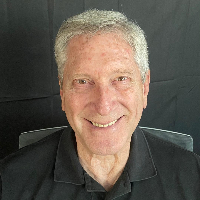
Brian Olden, LCSW
Licensed in California · 45 years in practice
Brian Olden is a Licensed Clinical Social Worker in California with 45 years of experience.
License and registration
- LCSW, California
- 10507 · expires June 2027
- NPI
- 1790762797 · national provider identifier
- Years in practice
- 45
- Languages
- English
Details are as listed on the therapist's public professional profile. You can check any license with the state board and any NPI with the national registry.
About Brian
Brian Olden is a Licensed Clinical Social Worker in California with 45 years of experience. He brings a steady, straightforward style to sessions and focuses on practical steps people can use right away. He speaks English and draws on a long career supporting a wide range of challenges.
Brian works with concerns such as relationship strain, trauma and abuse, depression, anxiety, stress, and difficulties with parenting or family roles. He also helps people facing grief, career decisions, chronic illness or pain, sleep problems, and issues with self-esteem or anger.
Background and approach
He incorporates coaching elements when clients want clear goals and action plans. His approach is collaborative. He helps clients set goals together and chooses methods that fit each person’s needs.
Sessions tend to be direct and focused, with an emphasis on finding what helps in everyday life. Brian uses several therapeutic methods including client-centered work, cognitive behavioral ideas, emotionally-focused tools, EMDR, and narrative strategies. He adapts these methods to the problem at hand rather than relying on a single technique.
People who prefer clear, goal-oriented conversations may find his style useful. He aims to help clients recognize strengths and build strategies to reach their goals. The work is practical, steady, and guided by the client’s priorities.
Focus areas and approaches
Everything Brian lists on their public professional profile, in their own terms.
- Relationship issues
- Trauma and abuse
- Depression
- Coping with life changes
- Coaching
- Stress, Anxiety
- Family conflicts
- Grief
- Intimacy-related issues
- Sleeping disorders
- Parenting issues
- Anger management
- Self esteem
- Career difficulties
- Bipolar disorder
- Compassion fatigue
- ADHD
- Adoption and foster care
- Aging and geriatric issues
- Blended family issues
- Caregiver issues and stress
- Chronic pain, illness, and disability
- Communication problems
- Divorce and separation
- Family problems
- Fatherhood issues
- First responder issues
- Hospice and end-of-life counseling
- Impulsivity
- Infidelity
- Intellectual disability
- Men's issues
- Midlife crisis
- Veteran and Armed Forces Issues
- Polyamory / non-monogamous relationships
- Post-traumatic stress
- Process addiction (porn, exercise, gambling)
- Seasonal Affective Disorder (SAD)
- Sexual dysfunction
- Social anxiety and phobia
- Traumatic brain injury
- Workplace issues
Approaches Brian names
- Client-Centered Therapy
- Cognitive Behavioral Therapy (CBT)
- Emotionally-Focused Therapy (EFT)
- Eye Movement Desensitization and Reprocessing (EMDR)
- Narrative Therapy
- Solution-Focused Therapy
- Trauma-Focused Therapy
Naming an approach is not evidence of training in it. This directory copies what each therapist lists and does not check training records.
Online support
Approaches that translate to online work
Client-Centered Therapy focuses on listening and understanding each person’s perspective. It emphasizes building trust, reflecting what matters to the client, and helping people make choices aligned with their values. Cognitive Behavioral Therapy, or CBT, looks at the links between thoughts, feelings, and actions and offers practical exercises to shift unhelpful patterns. It is useful for anxiety, depression, and day-to-day coping skills.Finding the right approach is part of therapy. The therapist will work with the client to choose methods that match their goals, needs, and preferences. That means trying approaches, checking what helps, and adjusting as progress is made in a collaborative way.
Online formats include video calls, phone sessions, live chat, and text-based messaging. Video calls let people work face to face when that is helpful. Phone sessions can be simpler when bandwidth is limited or when someone prefers not to be on camera. Live chat and text messaging can support shorter check-ins, quick coaching, or ongoing reflection between longer sessions. These options make it easier to fit therapy into work, family, or caregiving schedules and to keep momentum between appointments.
We will earn a commission if you sign up through our link, at no cost to you. It does not change what you pay or the order of the listings.
Questions people ask
What kinds of concerns does Brian address?
He works with relationship difficulties, trauma and abuse, depression, anxiety, stress, grief, parenting and family issues, sleep problems, anger, self-esteem, career questions, bipolar concerns, ADHD, and related topics.
What is his therapeutic style like?
His style is collaborative and goal oriented. Sessions focus on practical steps, recognizing strengths, and choosing approaches that fit each person.
How long has he been practicing?
He has 45 years of experience working with a wide range of concerns across many settings.
Where is he licensed and based?
He is a Licensed Clinical Social Worker - LCSW - in California and works with people in that state.
Which languages are supported?
Sessions are offered in English.
What session formats are available?
Sessions are offered by video calls, phone sessions, live chat, or text-based messaging to suit different schedules and preferences.
How does payment and cost work?
Cost varies with location and therapist availability. Sessions use a subscription that can be canceled at any time.
How do I begin working together?
Select the Start Therapy button, complete a short matching questionnaire, and schedule according to therapist availability.
More therapists in California
See allDeneta Jones-Udefi
LCSW
Practical support for relationships and personal growth
- Relationship
- Parenting
- Self esteem


Kendall Jones
LCSW
Calm guidance for grief, anxiety, and relationship struggles
- Stress, Anxiety
- LGBT
- Trauma and abuse

Mark Saverino
LCSW
Compassionate, practical support for life's hard moments
- Stress, Anxiety
- Grief
- Anger

Is this your profile?
Ask us to correct details or take the page down.
Contact us