
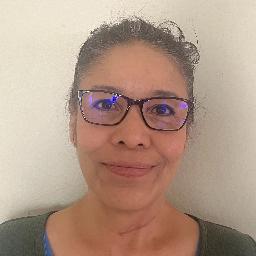
Angela Carroll, LCSW
Licensed in Montana · 3 years in practice
Angela Carroll is a licensed clinical social worker (LCSW) based in Montana who brings three years of professional experience to her practice.
License and registration
- LCSW, Montana
- BBH-LCSW-LIC-26082 · expires December 2026
- NPI
- 1437608825 · national provider identifier
- Years in practice
- 3
- Languages
- English
Details are as listed on the therapist's public professional profile. You can check any license with the state board and any NPI with the national registry.
About Angela
Angela Carroll is a licensed clinical social worker (LCSW) based in Montana who brings three years of professional experience to her practice. She began her career after eight years of active duty in the U.S. Navy and now focuses on helping people navigate stress, anxiety, depression, relationship and intimacy concerns, and addiction challenges.
Her style is warm, interactive, and validating. She aims to walk alongside people as they make practical changes in their lives.
Background and approach
Her approach centers on the person in front of her. She uses Client-Centered Therapy to honor each person's goals and strengths. Cognitive Behavioral Therapy (CBT) and Dialectical Behavior Therapy (DBT) provide tools for changing unhelpful thoughts and building coping skills.
She also draws on Emotionally-Focused Therapy and the Gottman Method when relationship patterns are part of the concern. Sessions often include practical takeaways. She may offer workbooks, worksheets, short exercises, or creative options like writing or movement to practice between meetings.
These are collaborative choices made together to fit a person’s life and schedule. She believes small, consistent actions lead to noticeable change. Angela has experience addressing trauma and abuse, addiction and recovery, family-of-origin problems, caregiver stress, grief related to cancer, anger, sleep disruption, and career concerns.
She also supports people dealing with infidelity, divorce and separation, blended family issues, and financial stress. Her focus includes mood disorders and veteran-related challenges given her military background. Overall, she aims to create a respectful, compassionate space where people feel heard and equipped to move forward.
Work is paced to what each person can manage, with an eye toward practical progress and restored confidence.
Focus areas and approaches
Everything Angela lists on their public professional profile, in their own terms.
- Stress, Anxiety
- Relationship issues
- Intimacy-related issues
- Depression
- Coping with life changes
- Addictions
- Family conflicts
- Trauma and abuse
- Sleeping disorders
- Parenting issues
- Anger management
- Self esteem
- Career difficulties
- Blended family issues
- Cancer
- Caregiver issues and stress
- Codependency
- Communication problems
- Divorce and separation
- Domestic violence
- Drug and alcohol addiction
- Family of origin issues
- Family problems
- Infidelity
- Midlife crisis
- Veteran and Armed Forces Issues
- Money and financial issues
- Mood disorders
- Personality disorders
- Postpartum depression
- Women's issues
- Workplace issues
- Young adult issues
Approaches Angela names
- Client-Centered Therapy
- Cognitive Behavioral Therapy (CBT)
- Dialectical Behavior Therapy (DBT)
- Emotionally-Focused Therapy (EFT)
- Gottman Method
- Mindfulness Therapy
- Motivational Interviewing
- Narrative Therapy
- Solution-Focused Therapy
- Internal Family Systems
Naming an approach is not evidence of training in it. This directory copies what each therapist lists and does not check training records.
Online support
How therapeutic approaches translate to online care
Client-Centered Therapy puts the person's priorities first and focuses on understanding each individual without judgment. In online sessions this means the therapist follows the client's lead, listens deeply to what matters most, and tailors the work to their immediate goals and values.Cognitive Behavioral Therapy, or CBT, breaks problems into thoughts, behaviors, and feelings and teaches concrete skills to change unhelpful patterns. Online CBT often uses short exercises, worksheets, and homework that can be shared digitally and practiced between sessions to reduce anxiety, improve mood, or address sleep and substance use concerns.
Dialectical Behavior Therapy, DBT, emphasizes emotion regulation, distress tolerance, and interpersonal effectiveness. In remote sessions DBT skills can be taught, practiced, and reinforced through brief check-ins, guided exercises, and messaging tools that support skill use during stressful moments.
Choosing the right approach is a collaborative process. The therapist will talk with the client about their needs, goals, and preferences and then try methods that fit. Adjustments are made along the way based on what helps most.
Online formats offer practical flexibility. Video calls allow face-to-face conversation and full discussion. Phone sessions can be useful when bandwidth is limited or a camera feels like too much. Live chat and text-based messaging suit quick check-ins, homework questions, or shorter skill coaching between meetings. These options make it easier to fit therapy into work, caregiving, or busy schedules.
We will earn a commission if you sign up through our link, at no cost to you. It does not change what you pay or the order of the listings.
Questions people ask
What concerns does Angela address in therapy?
She helps people with stress, anxiety, depression, relationship and intimacy issues, and addiction concerns. Additional focuses include trauma, sleep problems, parenting strain, anger, self-esteem, career challenges, and a range of family-related issues.
How would you describe her therapeutic style?
Her style is interactive, validating, empathetic, and warm. Sessions tend to be collaborative and practical, with a focus on building skills and applying small changes between meetings.
What is her professional background?
She has three years of clinical experience and served eight years on active duty in the U.S. Navy. That background informs her work with veterans and people facing life transitions.
Where is she licensed and based?
She holds a Montana LCSW and practices in Montana. Sessions are offered to people within that regional context according to licensing rules.
Which languages are supported for sessions?
Sessions are offered in English. International clients are not currently accepted.
What session formats are available?
She works via video calls, phone sessions, live chat, and text-based messaging. These options allow for shorter check-ins or longer video conversations depending on need.
How does billing and cost work?
Cost varies with location and therapist availability and uses a subscription model that can be canceled at any time. Session pricing follows that subscription structure.
How do I begin working with her?
Start by selecting the Start Therapy button, complete a short matching questionnaire, and schedule sessions according to the therapist's availability. The matching process helps pair needs with approach.
More therapists in Montana
See all
Sydney Blair
LCSW
Steady, practical therapy for life transitions
- Stress, Anxiety
- Relationship
- Self esteem

Angela Whitecrane Widdicombe
LCSW, LMFT
Seasoned relational clinician and addiction support
- Stress, Anxiety
- Addictions
- Relationship
Paul Dokey
LCSW
Practical, present-focused therapy for everyday struggles
- Stress, Anxiety
- Addictions
- Relationship

Is this your profile?
Ask us to correct details or take the page down.
Contact us