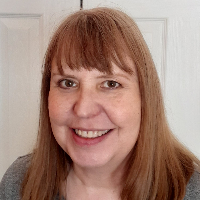
Lauren Moret-Glass
LSCSW, LCSW
Practical, respectful therapy for life changes
- Stress, Anxiety
- Relationship
- Trauma and abuse
Clinical social work directory
47 therapists in this directory list Licensed Specialist Clinical Social Worker (LSCSW). Registration details are shown as each therapist lists them; the body's own public register is the place to check a number.
A Licensed Specialist Clinical Social Worker (LSCSW) is a clinical social work license issued by a state board after graduate training and supervised clinical experience. Below you can browse profiles of therapists who hold an LSCSW credential and learn what that designation means for clinical practice.
LSCSW, LCSW
Practical, respectful therapy for life changes
LSCSW, LCSW
Practical support for stress and life changes
LCSW, LSCSW
Compassionate care for anxiety and trauma
LCSW, LSCSW
Warm, practical therapy for everyday challenges
LCSW, LSCSW
Compassionate clinician focused on healing and coping
LCSW, LSCSW
Practical, steady support for tough life struggles
LCSW, LSCSW
Compassionate social worker who listens and guides
LSCSW, LCSW
Compassionate, practical support for life changes
LCSW, LSCSW
Practical, direct support for life’s hard moments
LSCSW, LCSW
Compassionate, practical care for anxiety and trauma
LSCSW, LCSW
Compassionate, practical support for everyday struggles
LSCSW, LCSW
Calm, practical support for life’s hard transitions
LSCSW, LCSW
Compassionate, experienced social worker guiding practical change
LSCSW, LCSW
Compassionate, practical therapy for stress and trauma
LSCSW, LCSW
Practical social work for everyday stressors
LSCSW, LCSW
Practical, compassionate support for life’s hard moments
LSCSW, LCSW
Compassionate social worker for practical change
LSCSW, LCSW
Calm, practical support for real-life struggles
LCSW, LSCSW
Client-centered LCSW helping people move forward
LCSW, LSCSW
Compassionate, practical therapy for life challenges
LSCSW, LCSW
Compassionate social worker for real-life struggles
LCSW, LSCSW
Support for stress and relationship struggles
LCSW, LSCSW
Calm, practical support for life transitions
LCSW, LSCSW
Thoughtful, practical therapy for life changes
LSCSW, LCSW
Practical, compassionate therapy that focuses on change
LSCSW, LCSW
Experienced social worker focused on practical support
LSCSW, LCSW
Practical, goal-focused support for everyday struggles
LCSW, LSCSW
Practical, trauma-informed social worker
LSCSW, LCSW
Practical support for stress and life changes
LCSW, LSCSW
Calm-focused social worker helping people find balance
LSCSW, LCSW
Calm, practical support for everyday struggles
LSCSW, LCSW
Compassionate, practical therapy with a social work lens
LCSW, LSCSW
Experienced LCSW helping people navigate life changes
LCSW, LSCSW
Telehealth social worker helping adults navigate stress and change
LSCSW, LCSW
Straightforward, strengths-based therapy for change
LSCSW, LCSW
Compassionate clinical social work for complex concerns
LSCSW, LCSW
Supportive LCSW for stress and relationship concerns
LCSW, CSW, LSCSW
Compassionate, practical care for life changes
LCSW, LSCSW
Practical, strengths-based therapy for real-life struggles
LCSW, LSCSW
Practical, strengths-focused therapy for life’s challenges
LSCSW, LCSW
Calm support for stress and life transitions
LCSW, LSCSW
Supportive LCSW focused on practical change
Some links on this page are partner links. We will earn a commission if you sign up through one, at no cost to you. It does not change what you pay or the order of the listings.
The LSCSW credential signals that a clinician has completed graduate education in social work and additional post-graduate clinical requirements set by a state board. Most people who hold an LSCSW earned a master of social work or an equivalent graduate degree, then completed a period of supervised clinical practice - commonly around two to three years and several thousand hours, though the exact duration and hour requirements vary by state. After the supervised experience, candidates typically pass a clinical licensing examination that demonstrates competency in clinical social work knowledge and practice. The state board issues and renews the license, and the title LSCSW can have different implications depending on where the clinician practices.
Because the LSCSW is regulated at the state level, you may see variation in the exact name, scope of practice, or additional qualifiers attached to the license. Where you live or where a therapist is licensed matters. State licensure information explains what clinical activities the LSCSW is authorized to perform, whether independent practice is permitted, and what continuing education is required to maintain the credential.
An LSCSW is a clinical social work license that authorizes a practitioner to provide assessment and psychotherapy within the scope defined by their state board. Social workers who hold this credential are trained to integrate clinical understanding with social context, which affects how they assess a person's needs and plan care. Compared with nonclinical social work licenses, an LSCSW typically signals that the holder completed specific clinical supervision and passed a clinical exam, which allow them to diagnose and treat mental health conditions where state rules permit.
Licensure names vary across states, and related credentials use similar acronyms that are not interchangeable. Titles such as LICSW, LISW, LCSW-C, LMSW, or CSW refer to different licenses or levels of practice in various jurisdictions. If you are comparing credentials, pay attention to the exact license name and the state that issued it rather than assuming two similar acronyms mean the same thing. Where differences matter, they often affect the clinician's permitted functions, supervision requirements for practice, and the populations or settings in which they may work.
Therapists who hold an LSCSW often work across a range of clinical areas. Many list specialties that reflect the populations they serve or the problems they help with, such as mood disorders, anxiety, trauma, relationship issues, grief, adolescent or child work, family dynamics, and substance use concerns. Some LSCSWs have experience in medical or community settings where social determinants of health - housing, employment, access to care, and family support - play a central role in clinical formulation and intervention.
The social work perspective emphasizes the person-in-environment, which means an LSCSW may pay close attention to how your social context, systemic barriers, and community resources affect your mental health and functioning. That perspective can be particularly helpful when practical circumstances - for example, changes in housing, employment stress, caregiving responsibilities, or legal matters - interact with emotional and psychological needs. Therapists may also list particular approaches they use; if a specific style or method matters to you, look for practitioners who list it among their approaches and ask about their experience using it.
If you want to confirm that a clinician holds an LSCSW, the most reliable source is the state licensing board that issued the credential. Most state boards maintain an online license lookup where you can search by name or license number to confirm that the license is current, see the exact title issued, and review any public actions or disciplinary history. The licensing record will also indicate the issuing state and often list expiration or renewal dates and required continuing education information.
Because license names and privileges vary between states, it helps to read the licensing board's descriptions for the LSCSW in that jurisdiction to understand the clinician's permitted scope of practice. If anything in the public record is unclear, you can contact the state board directly for an explanation of what the LSCSW allows in that state. When you review a therapist profile, look for the license name and issuing state, and use the board's database to verify that information rather than relying solely on a profile summary.
Choosing a therapist who holds an LSCSW may bring advantages if you value a social work lens that balances individual clinical assessment with attention to social context. Many people appreciate that LSCSWs are trained to consider environmental factors such as family systems, work and school dynamics, housing and financial stressors, and community resources alongside emotional and behavioral symptoms. That combined focus can make referrals to other services or coordination with community supports smoother when practical needs are part of the clinical picture.
When you review profiles, pay attention to the populations and issues the therapist highlights, the settings where they have practiced, languages spoken, and the ways they describe working with clients. If a particular clinical approach matters to you, note whether a therapist lists it among their approaches and ask about their experience applying it with people who share your concerns or background. Consider whether you prefer a clinician with experience in community agencies, hospitals, independent practice, schools, or other settings, since setting can shape how a therapist understands and responds to social and systemic factors.
It can also help to clarify practical questions before an initial session, such as whether the clinician's license is issued in the state relevant to your care and what formats they offer for sessions. If you need support coordinating care with other providers or community services, an LSCSW's background in systems and resources can be especially relevant. Above all, look for a clinician whose profile and description of practice align with your priorities, and consider reaching out to ask how they frame their work with people who have needs similar to yours.