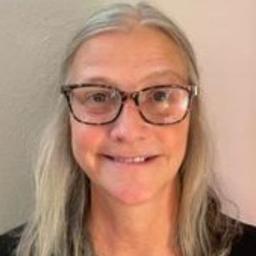
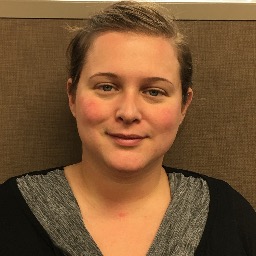
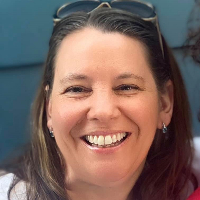
Dawn Adler
LCSW, LISW
Practical, strengths-focused therapy for everyday challenges
- Stress, Anxiety
- Relationship
- Trauma and abuse
Clinical social work directory
107 therapists in this directory list Licensed Independent Social Worker (LISW). Registration details are shown as each therapist lists them; the body's own public register is the place to check a number.
A Licensed Independent Social Worker (LISW) is a clinical social work license granted by a state board after graduate training and supervised post-graduate clinical experience. Below you can browse verified profiles of therapists who hold an LISW credential and review the information they share about practice focus and experience.
LCSW, LISW
Practical, strengths-focused therapy for everyday challenges
LCSW, LISW
Compassionate, practical support for life transitions
LISW, LCSW, CSW
Compassionate social worker who values practical steps
LISW, LCSW
Practical, honest support for life’s hardest problems
LCSW, LISW
Practical support for stress and life changes
LISW, LCSW, CSW
Trauma-informed social work focused on practical support
LCSW, LISW
Practical support for stress and trauma
LISW, LCSW
Supportive LCSW focused on practical progress
LCSW, CSW, LISW
Calm, practical support for everyday struggles
LCSW, LISW
Compassionate care for stress and self-image
LCSW, LISW
Relationship-focused therapy with practical skills
LCSW, LISW
Experienced LCSW focusing on practical growth
LISW, LCSW
Compassionate, practical therapy for life’s challenges
LCSW, LISW
Calm, practical support for life’s challenges
LISW, LCSW
Compassionate, skill-focused therapy for life’s challenges
LISW, LCSW
Warm, practical support for life’s challenges
LCSW, LISW
Calm, practical support for everyday struggles
LCSW, LISW
Compassionate, practical support for everyday challenges
LISW, LCSW
Helping people move forward with practical therapy
LCSW, LISW
Practical support for stress and life transitions
LISW, LCSW
Practical, collaborative care for everyday challenges
LCSW, LISW
Practical support for stress and relationship challenges
LCSW, LISW
Practical, respectful support for life and relationship stress
LCSW, LISW
Practical therapy for trauma and life transitions
LCSW, LISW
Compassionate, practical therapy for life changes
LISW, LCSW
Practical, goal-focused social work support
LCSW, LISW
Compassionate social worker helping with complex life challenges
LCSW, LISW
Practical support for stress and life changes
LCSW, LISW
Compassionate social worker helping steady everyday change
LISW, LCSW
Compassionate social worker focused on practical change
LCSW, LISW
Dedicated, practical clinical social worker
LCSW, LISW
Care-focused therapist and life coach
LCSW, LISW
Practical support for stress and life changes
LCSW, LISW
Practical, evidence-based care for everyday struggles
LCSW, LISW
Compassionate support for practical life change
LISW, LCSW
Warm, practical social work support
LCSW, LISW
Compassionate therapist focused on practical change
LCSW, LISW
Compassionate, practical care for life’s hard moments
LCSW, LISW
Practical, collaborative help for life challenges
LISW, LCSW
Practical, experienced support for grief and trauma
LISW, LCSW, CSW
Compassionate social worker focused on practical change
LISW, LCSW
Calm, practical help for life and family challenges
LISW, LCSW
Compassionate talk therapy for life transitions
LCSW, LISW
Compassionate support for stress and life changes
LCSW, LISW
Calm guidance for stress and life transitions
Some links on this page are partner links. We will earn a commission if you sign up through one, at no cost to you. It does not change what you pay or the order of the listings.
When you encounter the letters LISW after a clinician's name, it signals that the practitioner has completed graduate-level social work education and met a state-defined set of requirements to practice independently. That process typically begins with a master's degree in social work, followed by a period of supervised post-graduate clinical work. States set the length and intensity of that supervision and require a minimum number of practice hours and clinical experience. After the supervised period, candidates must pass a clinical licensing examination administered or recognized by the state board. Licensure is granted and renewed by that board, and the exact title and rules for practice vary from state to state.
The social work training model emphasizes the person-in-environment perspective. That means LISW clinicians are trained to consider your individual experiences alongside social and environmental factors such as housing, employment, family systems, community resources, and access to care. That broader lens helps many people and families who want a clinician who will look beyond symptoms alone and take context into account when planning care and recommending supports.
An LISW credential generally indicates independent clinical licensure, which authorizes a clinician to assess, diagnose, and provide psychotherapy without required ongoing clinical supervision. In contrast, other social work licensure levels may involve restricted practice or require supervision until full independent licensure is obtained. The specific scope of practice for an LISW is determined by the issuing state board, so the range of permitted activities - such as providing psychotherapy, practicing across settings, or supervising others - can differ depending on where the license was issued.
When you review a clinician's profile, the LISW designation tells you that the person has met a state board standard for independent practice. It does not describe the particular methods they list or the populations they work with. You will often find LISW clinicians working in community mental health agencies, hospitals, independent practice, schools, and other settings where clinical social work intersects with broader social needs. Because licensure language and privileges vary by state, it is useful to read the licensing board’s summary for the issuing state if you want to understand exact practice parameters.
LISW clinicians cover a wide range of specialties, reflecting both social work training and the settings where social workers typically practice. You will commonly find LISW therapists who focus on mood disorders, anxiety, trauma and post-traumatic stress, grief and bereavement, relationship and family work, child and adolescent concerns, and support for life transitions. Many LISW clinicians also list areas that reflect the person-in-environment emphasis, such as case management, advocacy, coordination with schools or healthcare systems, and addressing social determinants that affect well-being.
Because social work education combines clinical skills with an understanding of systems, LISW therapists often work with clients whose needs extend beyond psychotherapy alone. That can include navigating community resources, connecting with benefits and housing services, working with schools or employers, and supporting caregivers. When reviewing profiles, pay attention to the populations and focus areas a clinician lists - such as age groups, cultural competence, language abilities, or experience with particular life challenges - so you can find a clinician whose emphasis aligns with what you want to address.
To confirm that a clinician holds an LISW and to learn what that license allows in the issuing state, you can use the state licensing board's online resources. Most state boards maintain a license lookup tool that accepts a name or license number and returns status, issue and expiration dates, and public disciplinary information if any. Checking the board record is the most direct way to confirm that a license is active and issued by the relevant authority. Some boards also publish brief summaries of scope of practice and whether the license allows independent clinical work or supervision of other clinicians.
If the online record is unclear, you can contact the licensing board by phone or email. When you do so, have the clinician’s full name and any license number available. In addition to verifying current licensure, you can look for information about whether the license is in good standing and whether there are any restrictions on practice. Remember that licensure titles and privileges may use slightly different wording across states, so verifying at the source helps you interpret what a particular LISW credential means where it was issued.
Choosing a therapist who holds an LISW can be a good fit if you value a practitioner trained to see individual needs in the context of social systems. LISW clinicians are educated to integrate clinical assessment with awareness of external factors that influence mental health, which can be especially helpful if you need coordination with community services, assistance navigating schools or healthcare, or guidance that addresses both personal and environmental concerns.
When you are searching for the right LISW, start by identifying the issues you want to address and the characteristics that matter to you, such as age focus, cultural background, languages spoken, and any specific populations the clinician lists. Look at the practice settings and the types of work a clinician highlights - some emphasize community resource coordination while others emphasize clinical interventions. Asking about the clinician's experience with issues similar to yours and the way they typically structure initial sessions can help you gauge fit. Consider practical factors like whether they work in a setting or format that suits you and whether they list experience relevant to your needs. During initial conversations, a clinician can explain how their LISW qualification informs their practice and the supports they are able to coordinate on your behalf.
Choosing a therapist often involves both objective checks and a sense of personal fit. Use licensure verification to confirm credentials, review profiles to compare focus areas and experience, and look for a clinician whose approach to the person-in-environment perspective aligns with what you want from care. That combined approach will help you find an LISW therapist who fits your needs and the context of your life.