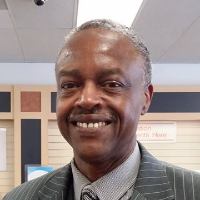
Dr. Kerene Brown
LICSW, LCSW, CSW
Practical, compassionate support for life transitions
- Stress, Anxiety
- Trauma and abuse
- Self esteem
Clinical social work directory
504 therapists in this directory list Certified Social Worker (CSW). Registration details are shown as each therapist lists them; the body's own public register is the place to check a number.
A Certified Social Worker (CSW) is a state-issued social work credential that indicates formal education and licensure standards vary by state. Below you can browse verified CSW therapists and review their profiles to learn about credentials, languages, and focus areas.
LICSW, LCSW, CSW
Practical, compassionate support for life transitions
LCSW, CSW
Compassionate support for trauma and addiction recovery
LCSW, CSW
Experienced Georgia LCSW focused on practical support
LCSW, CSW
Compassionate social worker focusing on relationships
LCSW, CSW
Experienced LCSW focused on practical change
LCSW, CSW
Practical support for stress and recovery
LISW, LCSW, CSW
Compassionate social worker who values practical steps
LCSW, CSW, LIMHP
Compassionate client-centered therapy with experience
LICSW, LCSW, CSW
Compassionate clinical social worker focused on recovery
LCSW, CSW
Compassionate LCSW guiding healing and purpose
LCSW, CSW
Caring, experienced support for everyday struggles
LCSW, CSW
Practical support for relationships and life changes
LCSW, CSW
Steady, experienced LCSW focused on lasting change
LCSW, CSW
Practical support for stress, relationships, and life change
LCSW, CSW
Experienced LCSW focused on practical growth
LCSW, CSW
Practical support for stress and healing
LCSW, CSW
Practical, steady support for anxiety and life change
LCSW, CSW
Compassionate, practical therapy for stress and relationships
LCSW, CSW
Calm, practical therapy for life's hard moments
LCSW, CSW
Supportive clinical social worker for life changes
LCSW, CSW
Practical, goal-focused therapy for adults
LISW, LCSW, CSW
Trauma-informed social work focused on practical support
LCSW, CSW
Direct, practical therapy for stress and relationships
LCSW, CSW
Understanding, practical, strengths-based care
LCSW, CSW
Experienced Georgia LCSW focused on healing relationships
LCSW, CSW
Calm guidance for stress and trauma recovery
LCSW, CSW
Compassionate, practical support for everyday challenges
LCSW, CSW
Compassionate social worker focused on practical change
LCSW, CSW
Calm, experienced support for everyday struggles
LCSW, CSW
Compassionate, practical therapy for real-life challenges
LCSW, CSW
Practical, compassionate support for life changes
LCSW, CSW
Direct, practical therapy for everyday challenges
LCSW, CSW
Practical, compassionate therapy for life changes
LCSW, CSW
Experienced LCSW focused on life transitions
LCSW, CSW
Helping people manage stress and life changes
LCSW, CSW
Experienced LCSW focused on practical recovery
LCSW, CSW
Compassionate, practical social work support
LCSW, CSW
Compassionate, practical care for anxiety and trauma
LISW-CP, LCSW, CSW
Compassionate social worker for everyday struggles
LCSW, CSW, LICSW
Listening first, making steady progress
LCSW, CSW
Compassionate, practical support for complex struggles
Some links on this page are partner links. We will earn a commission if you sign up through one, at no cost to you. It does not change what you pay or the order of the listings.
Certified Social Worker (CSW) is a credential issued by state boards or regulatory bodies that recognizes a level of education and professional standing in social work. The exact meaning of CSW varies across states. In some jurisdictions, CSW denotes a clinical-level license that requires a master of social work degree, a period of supervised post-graduate practice, and passage of a licensing exam. In other states, CSW may refer to a nonclinical certification or an earlier step on the pathway to advanced clinical licensure. Because state rules differ, you should expect the specific requirements for coursework, practicum hours, supervised experience, and renewal procedures to change depending on where the credential was issued.
Social work education typically emphasizes a combination of classroom learning and field placements. You will often find that people with a CSW credential have completed substantial coursework in human behavior, policy, ethics, assessment, and intervention, and that they have practicum experience working directly with individuals, families, groups, or communities. That field-based learning is designed to prepare practitioners to evaluate needs in context and to coordinate supports that address both personal and practical challenges.
When you consider a therapist who holds a CSW, focus on the scope of practice defined by the issuing state. Some CSW holders are authorized to provide clinical assessment and psychotherapy, while others are limited to nonclinical practice such as case management, advocacy, or community-based services. This variation means that a CSW credential does not map exactly onto one standard role nationwide. If you are comparing credential types, note that clinical licenses in many states carry specific post-graduate supervised hours and a clinical exam requirement. Other license names may indicate different levels of practice or different regulatory structures. A CSW may be equivalent to a clinical license in one state and to a statutory certification in another.
Because credential titles overlap across jurisdictions, you will want to look at the license details on the issuing board’s website. That will tell you whether the CSW in question entitles the holder to provide psychotherapy, to diagnose mental health conditions, or to focus on supportive and systems-level work. Understanding those distinctions helps you match a practitioner’s legal scope to your expectations for therapy, counseling, or broader social support services.
People who hold a CSW often work across a wide range of settings, so you will find a variety of specialties among CSW therapists. Many concentrate on individual and family therapy, trauma-related issues, grief and loss, relationship challenges, or mood and anxiety concerns. Others focus on population-specific work, such as serving children and adolescents, older adults, veterans, or people experiencing homelessness. Social workers frequently engage in case management, advocacy, and coordination with community resources, which makes CSW practitioners well suited to cases that involve housing, employment, benefits, or medical needs alongside emotional concerns.
Because social work training highlights the person-in-environment perspective, CSW therapists commonly consider social determinants of well-being - housing, income, community support, and access to care - as part of treatment planning. If you have needs that cross clinical and practical domains, a CSW practitioner may be skilled at connecting psychological work with referrals and resource navigation. When reviewing profiles, you may see practitioners list approaches or modalities they use; remember that a listing only indicates that an approach is used, not the length or depth of training in it.
Verifying a CSW credential is an important step to make sure the license is current and that the practitioner’s scope aligns with your needs. The most reliable source is the state licensing board or regulatory agency that issued the credential. Those agencies typically provide online license lookup tools where you can enter a name or license number to confirm status, expiration, and any disciplinary records. If online lookup is not available, you can contact the board by phone or email for verification. The license record will usually show the type of credential, the date issued, renewal information, and any public actions taken on the license.
Beyond verification, examine the practitioner’s listed education, supervised experience, and any professional statements about population focus or languages spoken. Look for clear descriptions of the settings they work in and the kinds of concerns they address. Because titles and allowable activities differ by state, the board’s documentation is the authoritative place to confirm whether a CSW holder can provide the specific services you are seeking. If you have questions about what a credential allows in your state, the licensing board can typically clarify permitted activities and titles.
Choosing a therapist who holds a CSW can offer particular strengths if you want someone who understands both clinical concerns and the broader circumstances that affect well-being. Social work education emphasizes the interaction between an individual and their environment, so CSW practitioners often attend to housing, employment, family systems, and community resources as part of care. That perspective can be especially helpful when your needs involve practical barriers or when you want support that integrates emotional work with real-world problem solving.
When you are searching for the right CSW therapist, start by identifying the core priorities for your work - whether that is trauma-focused care, family therapy, help navigating social services, or support for life transitions. Read practitioner profiles to learn about languages spoken, populations served, and stated areas of focus. Pay attention to how a therapist describes their approach and what they emphasize in practice. If a profile lists specific methods or specialties, remember that the listing is a starting point for conversation rather than a declaration of formal certification in that method.
It can help to consider logistics that matter to you, such as whether you prefer in-person sessions in a particular region or remote work where permitted by the license. Check professional bios for information about prior settings, such as hospitals, community agencies, schools, or independent practice, because those backgrounds shape day-to-day experience. Finally, trust your sense of fit when you read profiles; look for clear communication, relevant experience, and an orientation that matches how you want to work. Gathering this information ahead of time will help you identify CSW practitioners whose skills and perspectives align with your goals.