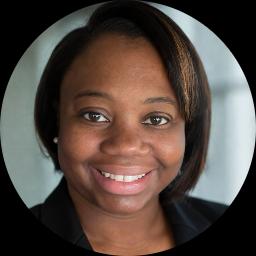
Tinita Samuels
LCSW
Compassionate, practical support for emotional challenges
- Stress, Anxiety
- Grief
- Anger
Clinical social work directory
7,917 therapists in this directory list Licensed Clinical Social Worker (LCSW). Registration details are shown as each therapist lists them; the body's own public register is the place to check a number.
A Licensed Clinical Social Worker (LCSW) is a clinician who has earned a master’s degree in social work, completed a state-set period of supervised clinical experience, and passed a clinical licensing exam. Below you can browse verified profiles of therapists who hold an LCSW credential.
LCSW
Compassionate, practical support for emotional challenges
LCSW
Practical support for relationships and personal growth
LCSW
Compassionate, practical therapy for stressed parents and adults
LCSW
Compassionate support for stress and sexual concerns
LICSW, LCSW
Calm, steady support for life’s hard changes
LCSW
Practical, values-driven therapy for life challenges
LCSW
Compassionate, practical support for life transitions
LCSW
Compassionate support for addiction and trauma recovery
LCSW
Calm, practical support for everyday mental health
LCSW
Compassionate social worker focused on practical change
LCSW
Calm guidance for grief, anxiety, and relationship struggles
LCSW
Calm, client-led therapy for lasting change
LCSW
Compassionate guidance for relationship and self issues
LCSW
Experienced LCSW supporting life changes
LCSW
Person-centered care with practical tools
LCSW
Helping people navigate stress and relationship pain
LCSW
Compassionate practical support for everyday challenges
LCSW
Compassionate therapist helping people build stronger coping skills
LCSW
Restorative, practical therapy for everyday challenges
LCSW
Compassionate, practical support for life challenges
LCSW
Compassionate social worker focused on practical change
LCSW
Experienced LCSW offering steady practical support
LCSW
Practical, strengths-based help for life changes
LCSW
Compassionate, practical therapy for addiction and mood issues
LCSW
Forward-focused therapist for practical change
LCSW
Practical, values-focused therapy for life problems
LCSW
Compassionate, strengths-based therapy for life transitions
LCSW
Trusted Mississippi LCSW for life transitions
LCSW
Compassionate, practical support for personal growth
LCSW
Compassionate LCSW for practical coping skills
LCSW
Compassionate social worker focused on real-life change
LCSW
Practical support for stress and relationship strain
LCSW
Practical, respectful therapy focused on real life
LCSW
Practical, grounded support for life's hard seasons
Some links on this page are partner links. We will earn a commission if you sign up through one, at no cost to you. It does not change what you pay or the order of the listings.
When you see LCSW after a clinician’s name it indicates a specific professional pathway. An LCSW holder has completed a master’s degree in social work and then fulfilled a period of supervised post-graduate clinical experience defined by the state that issues the license. That supervised work commonly spans two to three years and several thousand hours, although exact requirements vary by state. After meeting the work-hour requirement the clinician passed a state-recognized clinical licensing examination and received a license from a state board. Licenses are issued and renewed by state boards, so the formal title, allowed scope of practice, and renewal conditions differ from one state to another.
The social work education that underpins the LCSW emphasizes a person-in-environment perspective. That means an LCSW is trained to look beyond internal experience and consider how housing, work, family, finances, community resources, and access to care shape a person’s life. That orientation can influence the questions a clinician asks, the goals you might set together, and the additional supports an LCSW may help you connect with if that fits your needs.
An LCSW is qualified to provide clinical assessment and psychotherapy, develop treatment plans, and deliver interventions intended to help people manage emotional, behavioral, and social difficulties. In many jurisdictions an LCSW can diagnose mental health conditions and document clinical findings for other systems such as schools, employers, and insurers. Because licensing is state-based, the exact scope of permitted activities and use of the title LCSW can vary; some states use slightly different letters or additional suffixes for related licenses. It’s important not to conflate LCSW with other credentials that may sound similar, such as LICSW, LISW, LCSW-C, LMSW, or CSW. Those are distinct licenses in some states, sometimes at a different level of practice or with different regulatory oversight.
Compared with clinicians who hold other degrees or licenses, an LCSW’s training tends to place a stronger emphasis on community systems, advocacy, care coordination, and connecting clinical work to social supports. That does not mean an LCSW will use a particular therapeutic model; what each clinician offers depends on their individual training, interests, and professional development. If you want clinicians who include social determinants of health as part of the clinical picture, an LCSW’s education and perspective may feel especially aligned with those priorities.
Many LCSWs work across a range of clinical concerns. You will find LCSWs who list areas such as mood disorders, anxiety, trauma, family and relationship challenges, grief, substance use, life transitions, and work-related stress among their focus areas. Others emphasize work with specific populations such as children and adolescents, older adults, veterans, LGBTQ+ clients, or people navigating housing instability. Because social work training prepares clinicians to consider context, LCSWs often combine clinical work with efforts to address practical needs - for example connecting a client to community resources, helping with systems navigation, or coordinating care with other providers.
Therapists who hold an LCSW may also work in different settings including outpatient clinics, community mental health centers, schools, hospitals, employee assistance programs, and personal practices. Some list approaches and modalities on their profiles; when you review those, remember that a listing is an indicator of an approach the clinician mentions rather than an independent verification of specific training. If a particular modality matters to you, you can look for clinicians who list that approach among their offerings and then ask about their experience directly.
Because licensing is managed at the state level, the most reliable way to verify an LCSW is through the issuing state board’s license lookup tool. You can look up a clinician’s name to confirm that the license is active, view the license number and expiration date, and check whether the board reports any disciplinary history. Many state board sites also explain the education, supervised experience, and examination required to obtain the LCSW in that jurisdiction. If a clinician lists more than one state license, you can verify each one separately through the corresponding state board.
When you review a profile, look for the licensing state and license number, and then use the board’s public portal to confirm the listed details. Keep in mind that boards differ in how they display information and how quickly they update public records. Boards can tell you whether the license is active, when it expires, and if there are any public orders on file. This type of verification helps you understand the formal standing of a credential in a given state without making assumptions about therapeutic fit or approach.
If you value a clinician who takes social context into account, an LCSW’s person-in-environment orientation can be a meaningful advantage. That perspective encourages attention to factors beyond symptoms alone, such as housing, work stress, family dynamics, financial pressures, and community supports. You may find that an LCSW offers a broader lens for understanding challenges and explores practical resources, referrals, or advocacy as part of the work. Many LCSWs also have experience coordinating care with other professionals and agencies, which can help when challenges intersect with schools, hospitals, or social services.
Start by reading profiles to learn about focus areas, population experience, languages spoken, and stated approaches. Look for clinicians who describe work with the issues that matter to you and who mention populations or cultural perspectives that align with your background. Note the settings they list and whether they describe experience with community resources or systems you may need. Pay attention to whether they list particular approaches; if a specific modality matters, look for clinicians who list it and then ask about how they integrate it into practice. Consider logistical fit such as whether a clinician works in a setting or format that meets your needs, and whether they list languages or cultural competencies that match your preferences.
When you reach out to a clinician’s office or profile contact, you can ask about their clinical focus, how they typically structure sessions, and how they involve social context in care. It is reasonable to ask about their experience with concerns like yours, the kinds of supports they commonly coordinate, and how they measure progress together with clients. You may also want to confirm licensure details through the state board lookup described above. Remember that finding a good therapeutic match often depends on how comfortable you feel with the clinician’s style and priorities, so taking time to review profiles and to ask a few targeted questions can help you identify LCSWs who align with what you want from care.
Choosing a clinician is a personal process. An LCSW credential tells you about a clinician’s educational background and scope of practice under state rules, and the social work lens may be especially useful if you want clinical care that actively considers the systems and resources that shape daily life. Use the profile information to compare focus areas, approaches, credentials, languages, and experience as you narrow your options, and verify license status through the appropriate state board when that information is important to you.