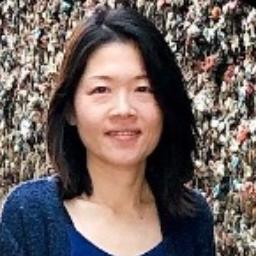
Shuwen (Sylvia) Huang, LCSW
Licensed in California · 15 years in practice
Shuwen (Sylvia) Huang welcomes people who are feeling overwhelmed by stress, anxiety, depression, grief, or major life changes.
License and registration
- LCSW, California
- 29312 · expires March 2026
- NPI
- 1801321518 · national provider identifier
- Years in practice
- 15
- Languages
- English, Mandarin
Details are as listed on the therapist's public professional profile. You can check any license with the state board and any NPI with the national registry.
About Shuwen
Shuwen (Sylvia) Huang welcomes people who are feeling overwhelmed by stress, anxiety, depression, grief, or major life changes. She introduces a calm, steady presence and listens first to understand each person's priorities and experience. Sylvia is a licensed clinical social worker, LCSW, practicing in California with 15 years of professional experience.
She combines straightforward conversation with practical skills people can use between sessions. That might mean learning coping strategies for anxiety, practicing communication skills around intimacy and relationships, or pacing through grief and loss.
Background and approach
She also helps people navigate parenting strain, caregiving burdens, chronic illness, and workplace or career stress. Sylvia draws from client-centered work to keep sessions focused on the person’s needs. She uses cognitive behavioral techniques to identify unhelpful thinking and mindfulness practices to build present-moment focus.
Motivational interviewing and solution-focused ideas support small, realistic changes that add up over time. Her earlier roles include trauma hospital acute care and emergency department settings, and she has nursing experience that informs how she talks about illness and pain. That background shapes how she explains health-related stress and how it affects daily life.
Sylvia aims to tailor sessions to each person’s culture and values, practicing with cultural humility. She emphasizes the therapeutic relationship as the place where growth begins, helping people feel more grounded and able to move forward.</description_html
Focus areas and approaches
Everything Shuwen lists on their public professional profile, in their own terms.
- Stress, Anxiety
- Relationship issues
- Depression
- Family conflicts
- Trauma and abuse
- Grief
- Intimacy-related issues
- Parenting issues
- Anger management
- Self esteem
- Career difficulties
- Coping with life changes
- Compassion fatigue
- Abandonment
- Attachment issues
- Body image
- Caregiver issues and stress
- Chronic pain, illness, and disability
- Codependency
- Commitment issues
- Communication problems
- Control issues
- Divorce and separation
- Domestic violence
- Emptiness
- Family of origin issues
- Family problems
- Forgiveness
- Guilt and shame
- Isolation / loneliness
- Life purpose
- Post-traumatic stress
- Pregnancy and childbirth
- Self-love
- Workplace issues
Approaches Shuwen names
- Client-Centered Therapy
- Cognitive Behavioral Therapy (CBT)
- Mindfulness Therapy
- Motivational Interviewing
- Solution-Focused Therapy
Naming an approach is not evidence of training in it. This directory copies what each therapist lists and does not check training records.
Online support
Therapeutic approaches for online care
Client-centered therapy puts the person’s needs and goals at the center of every session. It means the therapist listens closely, follows what matters most to the client, and adapts pacing and topics to fit each situation. Cognitive Behavioral Therapy, or CBT, breaks down patterns of thought and behavior that feed anxiety, depression, or low self-esteem and teaches practical steps to change them.Finding the right approach is a collaborative process. The therapist will work with people to identify which methods feel most useful and will adjust techniques based on personal goals, culture, and preferences. Progress often comes from small, consistent changes agreed on together rather than one-size-fits-all fixes.
Online sessions offer flexibility. Video calls allow face-to-face conversation when more connection is helpful. Phone sessions can be easier when bandwidth or camera use is limited, while live chat and text-based messaging work well for brief check-ins or reflection between meetings. These options make it simpler to fit therapy into a busy life and try out different formats to see what works best.
We will earn a commission if you sign up through our link, at no cost to you. It does not change what you pay or the order of the listings.
Questions people ask
What concerns does this therapist help with?
She helps with stress, anxiety, depression, trauma and abuse, grief, intimacy-related issues, parenting strain, caregiver stress, chronic illness or pain, and relationship and communication problems.
What is her general approach in sessions?
Sessions center on the person’s priorities using a client-centered stance. She blends practical skills like cognitive behavioral techniques and mindfulness to address thoughts, feelings, and daily habits.
What is her professional background?
She has 15 years of experience and has worked in trauma hospital acute care and emergency department settings. She also has nursing experience that informs work with illness and pain.
Where is she licensed and based?
She is licensed as an LCSW in California and practices with a background in both social work and nursing.
Which languages are supported in sessions?
Sessions are offered in English and Mandarin.
What session formats are available?
Therapy is offered through video calls, phone sessions, live chat, and text-based messaging to fit different needs and schedules.
How are costs and subscriptions handled?
Cost varies with location and therapist availability. Sessions are provided via a subscription model that can be canceled at any time.
How do I begin working with her?
Start by selecting the Start Therapy button and completing a short matching questionnaire, then schedule sessions according to therapist availability.
More therapists in California
See allDeneta Jones-Udefi
LCSW
Practical support for relationships and personal growth
- Relationship
- Parenting
- Self esteem


Kendall Jones
LCSW
Calm guidance for grief, anxiety, and relationship struggles
- Stress, Anxiety
- LGBT
- Trauma and abuse

Mark Saverino
LCSW
Compassionate, practical support for life's hard moments
- Stress, Anxiety
- Grief
- Anger

Is this your profile?
Ask us to correct details or take the page down.
Contact us