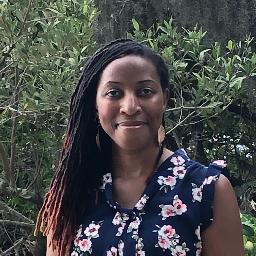
Onessa Robertson, LICSW, LCSW
Licensed in Florida · 14 years in practice
Onessa Robertson uses a practical, person-focused approach to help people face stress, anxiety, grief, and relationship strain.
License and registration
- LCSW, Florida
- SW15679 · expires March 2027
- LCSW, New Jersey
- 44SC06162400 · expires August 2026
- LICSW, Massachusetts
- LICSW1120876 · expires August 2027
- NPI
- 1417456807 · national provider identifier
- Years in practice
- 14
- Languages
- English
Details are as listed on the therapist's public professional profile. You can check any license with the state board and any NPI with the national registry.
About Onessa
Onessa Robertson uses a practical, person-focused approach to help people face stress, anxiety, grief, and relationship strain. She is a Licensed Independent Clinical Social Worker (LICSW) and a Licensed Clinical Social Worker (LCSW) with 14 years of experience. Her style is flexible and grounded in real-life change.
Onessa aims to help people make sense of painful experiences and move toward what matters to them. Sessions focus on clear steps and useful skills rather than jargon.
Background and approach
She helps people notice patterns, test small changes, and build new ways of relating to themselves and others. Her work covers trauma and abuse, depression, coping with life changes, parenting stress, compassion fatigue, and ADHD-related challenges. Relationship issues such as communication problems, infidelity, commitment questions, and divorce or separation are also part of her focus.
She draws on approaches like Acceptance and Commitment Therapy, Cognitive Behavioral Therapy, Motivational Interviewing, Client-Centered Therapy, and the Gottman Method. These are mixed to match each person's goals and pace. Onessa has provided services both locally and internationally over her career.
She helps people work through family of origin concerns, codependency, control issues, guilt and shame, and feelings of isolation. Many come for practical tools and steady support while they make changes. Her sessions aim to be collaborative.
She encourages people to set goals, try new behaviors between sessions, and notice what helps. The focus is on progress you can use in everyday life.
Focus areas and approaches
Everything Onessa lists on their public professional profile, in their own terms.
- Stress, Anxiety
- Relationship issues
- Trauma and abuse
- Depression
- Family conflicts
- Grief
- Parenting issues
- Anger management
- Career difficulties
- Coping with life changes
- Compassion fatigue
- ADHD
- Attachment issues
- Caregiver issues and stress
- Codependency
- Commitment issues
- Communication problems
- Control issues
- Divorce and separation
- Emptiness
- Family of origin issues
- Family problems
- Forgiveness
- Guilt and shame
- Impulsivity
- Infidelity
- Isolation / loneliness
- Jealousy
- Life purpose
- Midlife crisis
- Money and financial issues
- Obsessions, compulsions, and OCD
- Panic disorder and panic attacks
- Postpartum depression
- Post-traumatic stress
- Self-love
- Social anxiety and phobia
- Women's issues
- Workplace issues
Approaches Onessa names
- Acceptance and Commitment Therapy (ACT)
- Client-Centered Therapy
- Cognitive Behavioral Therapy (CBT)
- Gottman Method
- Motivational Interviewing
- Narrative Therapy
- Psychodynamic Therapy
- Solution-Focused Therapy
Naming an approach is not evidence of training in it. This directory copies what each therapist lists and does not check training records.
Online support
Therapeutic approaches and online delivery that fit your life
Acceptance and Commitment Therapy (ACT) helps people notice difficult thoughts and feelings without getting stuck in them, then focus on actions that match their values. It can be useful for anxiety, depression, and making life changes. Cognitive Behavioral Therapy (CBT) looks at how thoughts, feelings, and behaviors interact and uses practical exercises to test and change unhelpful patterns. It often helps with anxiety, depression, and anger. The Gottman Method focuses on relationship habits, communication skills, and rebuilding trust, which can help with conflict, infidelity, and commitment questions.Finding the right approach is a collaborative process. The therapist will talk with each person about goals, preferences, and what has or hasn't helped before, then pick techniques that fit. Sessions are adjusted over time based on what works for the individual.
Online therapy offers real flexibility. Video calls let people work face to face from wherever they are, phone sessions use less bandwidth, live chat and text-based messaging allow short check-ins or ongoing support between sessions. These options make it easier to fit therapy into work, caregiving, or travel schedules while still using ACT, CBT, Gottman techniques, and motivational interviewing in everyday practice.
We will earn a commission if you sign up through our link, at no cost to you. It does not change what you pay or the order of the listings.
Questions people ask
What kinds of concerns does she help with?
She works with stress, anxiety, depression, trauma and abuse, grief, parenting strain, relationship problems, career stress, compassion fatigue, ADHD, and other life changes.
What is her therapeutic style like?
Her approach is flexible and practical, combining Acceptance and Commitment Therapy, Cognitive Behavioral Therapy, Motivational Interviewing, Client-Centered Therapy, and the Gottman Method to match each person's goals.
How much experience does she have?
She brings 14 years of clinical experience working with a range of concerns both locally and internationally.
What are her credentials and where is she based?
She holds MA LICSW and FL LCSW credentials and is based in Florida.
Can sessions be conducted in other countries or languages?
Sessions are offered in English and international clients are accepted.
Which session formats does she offer?
She meets with people by video calls, phone sessions, live chat, and text-based messaging.
How does pricing work for sessions?
Cost varies with location and therapist availability; sessions use a subscription model that can be canceled at any time.
What is the first step to begin therapy?
Click the Start Therapy button, complete a short matching questionnaire, and schedule sessions according to therapist availability.
More therapists in Florida
See allAmeenah Wright-Troutman
LCSW
Compassionate, practical support for life transitions
- Stress, Anxiety
- Grief
- Self esteem

Dr. Virginia Clark
LCSW
Experienced LCSW supporting life changes
- Stress, Anxiety
- Addictions
- Trauma and abuse
Carolyn Allen
LCSW
Compassionate practical support for everyday challenges
- Stress, Anxiety
- Self esteem
- Career

Is this your profile?
Ask us to correct details or take the page down.
Contact us