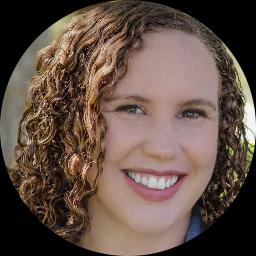
Kathryne Koahou, LCSW
Licensed in Utah · 3 years in practice
Kathryne Koahou is a Licensed Clinical Social Worker who helps people manage stress, anxiety, addiction, grief, trauma, and depression.
License and registration
- LCSW, Utah
- 13398242-3501 · expires September 2026
- NPI
- 1528655313 · national provider identifier
- Years in practice
- 3
- Languages
- English
Details are as listed on the therapist's public professional profile. You can check any license with the state board and any NPI with the national registry.
About Kathryne
Kathryne Koahou is a Licensed Clinical Social Worker who helps people manage stress, anxiety, addiction, grief, trauma, and depression. She offers practical support for day-to-day struggles and for harder experiences that feel overwhelming. Her approach is warm and straightforward, aimed at making therapy feel doable even when things seem heavy.
She focuses on helping clients process trauma, reduce substance use patterns, and cope with loss. Sessions emphasize skills for emotion regulation, grounding during distress, and steps toward healthier routines.
Background and approach
Conversations are collaborative and paced to each person's needs. Kathryne draws on several evidence-based approaches to shape treatment. She uses techniques that target thoughts and behaviors, practices that build emotional awareness, and methods that help people commit to meaningful life changes.
The work often blends skill-building with deeper processing of painful memories. Her background includes three years of clinical practice based in Utah as a Licensed Clinical Social Worker, which informs her practical, client-focused style. She aims to create a respectful space where people can talk about hard things and try new ways of coping.
Therapy with Kathryne typically includes clear goals, homework when helpful, and regular check-ins about progress. People who want straightforward guidance, concrete tools, and a calm, steady presence may find this style helpful.
Focus areas and approaches
Everything Kathryne lists on their public professional profile, in their own terms.
- Stress, Anxiety
- Addictions
- Trauma and abuse
- Grief
- Depression
- Abandonment
- Antisocial personality
- Attachment issues
- Body image
- Codependency
- Control issues
- Dissociation
- Domestic violence
- Drug and alcohol addiction
- Emptiness
- Family problems
- Guilt and shame
- Impulsivity
- Jealousy
- Life purpose
- Mood disorders
- Obsessions, compulsions, and OCD
- Personality disorders
- Postpartum depression
- Post-traumatic stress
- Pregnancy and childbirth
- Prejudice and discrimination
- Seasonal Affective Disorder (SAD)
- Self-harm
- Sex addiction
- Women's issues
- Young adult issues
Approaches Kathryne names
- Acceptance and Commitment Therapy (ACT)
- Client-Centered Therapy
- Cognitive Behavioral Therapy (CBT)
- Dialectical Behavior Therapy (DBT)
- Emotionally-Focused Therapy (EFT)
- Eye Movement Desensitization and Reprocessing (EMDR)
- Narrative Therapy
- Solution-Focused Therapy
- Trauma-Focused Therapy
- Internal Family Systems
- Systemic Therapy
Naming an approach is not evidence of training in it. This directory copies what each therapist lists and does not check training records.
Online support
Evidence-based approaches for online care
Acceptance and Commitment Therapy (ACT) helps people notice unhelpful thoughts and choose actions that reflect their values. It can be useful for anxiety, depression, and feeling stuck in life. Cognitive Behavioral Therapy (CBT) focuses on identifying patterns of thinking and behavior that keep problems going, then practicing new skills to reduce symptoms and improve daily functioning. Dialectical Behavior Therapy (DBT) teaches concrete emotion regulation and distress tolerance skills to manage strong feelings and impulsivity.Finding the right approach is part of the process. The therapist will work collaboratively to review needs, goals, and preferences and then tailor methods that fit the client. People may try skills-based work, deeper processing, or a mix based on what helps most.
Online therapy offers several practical benefits. Video calls let people have face-to-face conversations without travel, while phone sessions can be easier when bandwidth or camera use is limited. Live chat and text-based messaging make short check-ins and brief skill practice convenient between sessions. These options help therapy fit into busy schedules and different lifestyles.
We will earn a commission if you sign up through our link, at no cost to you. It does not change what you pay or the order of the listings.
Questions people ask
What concerns can I bring to sessions?
She supports people dealing with stress, anxiety, addictions, trauma and abuse, grief, and depression, plus related issues like attachment struggles, body image, and family problems.
How would you describe the therapy style?
Sessions are collaborative and straightforward. The focus is on practical skills, emotional processing, and setting goals that fit daily life.
What is her clinical background?
She has three years of professional experience working as a clinician and brings that hands-on practice to each session.
Where is she licensed and based?
She is a Licensed Clinical Social Worker (LCSW) and practices while based in Utah.
Which languages are available for sessions?
Sessions are offered in English.
What session formats are offered?
She works with clients via video calls, phone sessions, live chat, and text-based messaging.
How does payment and cost work?
Cost varies with location and therapist availability; sessions use a subscription that can be canceled at any time.
How do I begin working with her?
Start by selecting the Start Therapy button, complete a short matching questionnaire, and then schedule according to therapist availability.
More therapists in Utah
See allChase Carter
LCSW
Practical, values-focused therapy for life problems
- Addictions
- Relationship
- Trauma and abuse

Melinda Fowlks
LCSW
Compassionate therapist for emotional healing
- Stress, Anxiety
- Relationship
- Self esteem

Anntoinette Titus
LCSW
Compassionate, practical therapy focused on everyday life
- Stress, Anxiety
- Addictions
- Relationship

Is this your profile?
Ask us to correct details or take the page down.
Contact us