Clinical social work directory
Therapists licensed in Hawaii
39 Licensed Clinical Social Workers in this directory hold a license issued in Hawaii. Sessions are online; a therapist can usually only see people in the states where they hold a license, so check the license panel on each profile.
Welcome to our directory of online therapists serving Hawaii. All therapists listed here are licensed clinical social workers (LCSWs). Explore the profiles below to learn about their focus areas, approaches, languages, and experience.
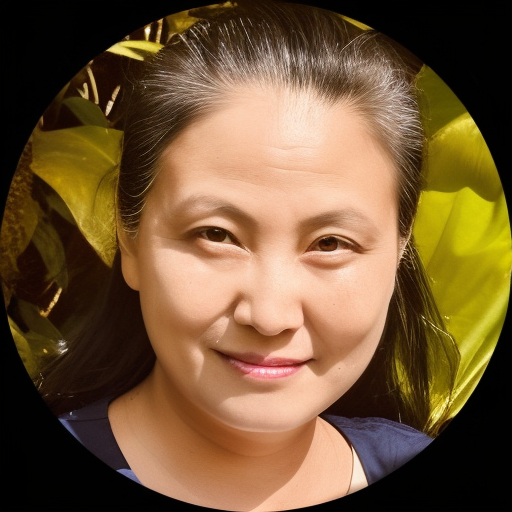
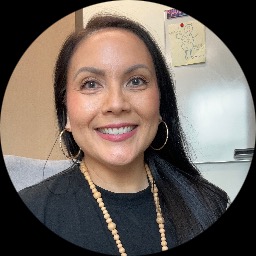
Airy Mae Stocker
LCSW
Compassionate support for stress and trauma
- Stress, Anxiety
- Trauma and abuse
- Grief

Debra Counadis
LCSW
Experienced LCSW offering calm, practical support
- Stress, Anxiety
- Grief
- Self esteem
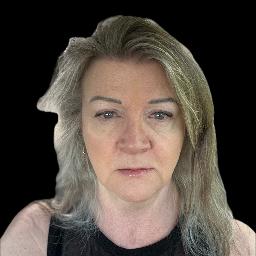

Roxy Mico
LCSW
Experienced Hawaii LCSW focused on practical change
- Stress, Anxiety
- Relationship
- Trauma and abuse
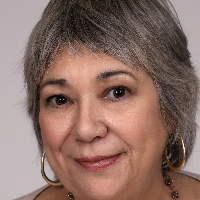
Dr. Michele Scofield
LCSW
Calm, practical support for life’s hard moments
- Stress, Anxiety
- Addictions
- LGBT
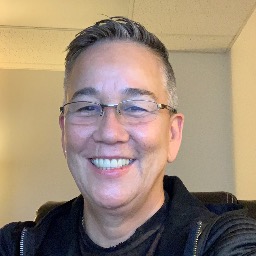
Lindsey Hoffman
LCSW
Practical, strengths-based therapy for life transitions
- Stress, Anxiety
- Trauma and abuse
- Parenting
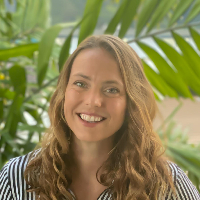
Kameron Apostol-Chinn
LCSW
Practical care for stress and trauma
- Stress, Anxiety
- Trauma and abuse
- Anger

Maribeth Theisen
LCSW
Calm, practical support for life stressors
- Stress, Anxiety
- Trauma and abuse
- Sleeping
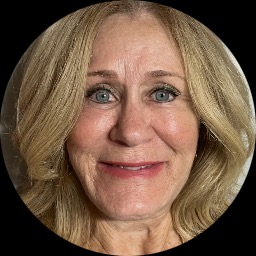
Victoria Cashio
LCSW
Person-centered therapy with practical tools
- Stress, Anxiety
- Relationship
- Sleeping

Elijah Davenport
LCSW, LICSW
Practical support for stress and relationships
- Stress, Anxiety
- Relationship
- Family

Mark Licitra
LCSW, LICSW
Calm, practical therapy for life challenges
- Stress, Anxiety
- Grief
- Self esteem

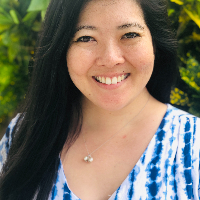
Trina Jones Artis
LCSW
Supportive client-centered care for stress and life changes
- Stress, Anxiety
- LGBT
- Grief

Kristen Hale
LCSW
Practical therapy for trauma and life stress
- Stress, Anxiety
- Family
- Trauma and abuse
Michelle Voeller
LCSW
Compassionate care grounded in practical tools
- Stress, Anxiety
- Trauma and abuse
- Grief


Christina Morimoto-Camara
LCSW
Practical support for parenting and life stressors
- Stress, Anxiety
- Parenting
- Self esteem


Jennifer Pamintuan
LCSW
Practical, strengths-based support for life challenges
- Stress, Anxiety
- Bipolar
- Depression

Dr. Sonya Boone
LCSW
Compassionate, practical therapy for everyday struggles
- Stress, Anxiety
- Family
- Trauma and abuse
Patrick Taylor
LCSW
Practical, evidence-based support for life changes
- Depression
- Coping with life changes
- Stress, Anxiety

Leah Parra
LMSW, LCSW
Practical support for stress and relationships
- Stress, Anxiety
- Relationship
- Trauma and abuse

Michele Rockett
LCSW
Practical, down-to-earth support for life’s hard moments
- Stress, Anxiety
- Relationship
- Grief
Graceann Akazawa
LCSW
Compassionate Hawaii-based clinical social worker
- Addictions
- Grief
- Stress, Anxiety

Ellen Thrasher
LCSW
Calm, practical support for stress and trauma
- Stress, Anxiety
- Trauma and abuse
- Grief
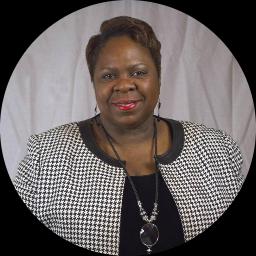
Kesha Diodato
LCSW
Compassionate skills-based care for trauma and stress
- Stress, Anxiety
- Trauma and abuse
- Grief
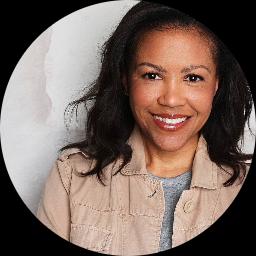
Dr. Clifford Green
LCSW
Experienced LCSW focused on trauma and relationships
- Addictions
- LGBT
- Relationship


Jessica Colocho
LCSW
Calm, practical support for real-life struggles
- Addictions
- Relationship
- Parenting
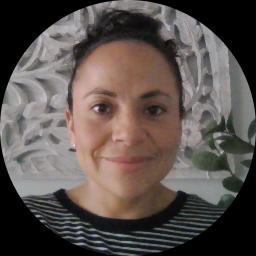
Lawrence Toutant-Acosta
LCSW
A collaborative, strengths-based therapist
- Stress, Anxiety
- Trauma and abuse
- Eating


Sana Anas
LCSW
Therapist focused on practical, person-centered care
- Stress, Anxiety
- Addictions
- Trauma and abuse


Georgianne Nacionales
LCSW
Practical, strengths-focused therapy for life change
- Relationship
- Family
- Parenting

Terri Pule
LCSW
Compassionate support for real-life change
- Self esteem
- Coping with life changes
- Stress, Anxiety
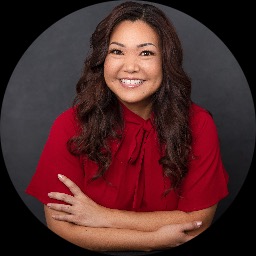
Myra Estella Ann Alves
LCSW
Compassionate, practical support for relationship challenges
- Relationship
- Family
- Parenting
Some links on this page are partner links. We will earn a commission if you sign up through one, at no cost to you. It does not change what you pay or the order of the listings.
Overview of online sessions with LCSWs in Hawaii
If you are looking for an online session with a licensed clinical social worker in Hawaii, you will find practitioners who work with adults, adolescents, couples, families, and communities in a range of clinical and social concerns. LCSWs hold a master’s degree in social work, have completed a state-required period of supervised post-graduate clinical experience, and have passed a clinical licensing examination. Because licensing is issued by the state, each LCSW listed practices under the scope allowed in Hawaii and is accountable to the state licensing authority.
Online sessions do not change the credential itself, but they do influence how a clinician organizes appointments, conducts assessments, and coordinates care. In your search you will encounter LCSWs who offer telehealth sessions as part of their practice. The directory entries note the credentials each therapist holds and often list the issues they commonly address and the languages they speak. That information helps you identify practitioners whose background and listed focus areas align with what you want to address.
Benefits of online sessions for Hawaii residents
Online sessions with an LCSW can make it easier for you to access professional support without traveling long distances between islands or across urban traffic. You can connect from your home, a workplace break room, or another quiet, comfortable environment rather than arranging transportation or childcare around an in-person appointment. This convenience can reduce the practical barriers that often prevent people from starting or continuing with behavioral health care.
Because social work training emphasizes the person-in-environment perspective, an LCSW will consider how your housing, work, family, community, and access to resources are affecting your experience. In an online session you can discuss those contextual factors directly and work with a clinician who integrates life circumstances into the clinical picture. That makes online sessions a functional option if your concerns are closely tied to daily routines, housing or employment issues, caregiving responsibilities, or community resources.
Online sessions may also increase your options when you prefer match by language, cultural background, or clinical focus. Hawaii residents who speak languages other than English, or who want a clinician familiar with local cultural context, may find online sessions broaden the pool of LCSWs they can consider. While no online format guarantees fit, the practical flexibility helps many people continue care when in-person visits are challenging.
What issues LCSWs in Hawaii commonly help with in online sessions
You can expect LCSWs to address a broad range of emotional and life challenges that intersect with social factors. Common areas LCSWs list include anxiety, depression, stress related to work or school, relationship and family concerns, grief and loss, life transitions, and difficulties tied to housing or employment. Because social work training centers on the interaction between the person and their environment, you will often find clinicians focusing on both internal coping and external solutions such as connecting you to community resources or supports.
Many LCSWs also work with issues related to caregiving, parenting, trauma recovery, substance use concerns, and chronic health conditions where social and environmental factors play a role. When clinicians include specific methods among their approaches you may see entries that note those approaches, and it is reasonable to use those mentions as a starting point for questions about fit. Keep in mind that the directory records credentials and self-reported focus areas; it does not confirm specific clinical training or outcomes.
Because Hawaii is geographically diverse, LCSWs who offer online sessions may be especially helpful when your needs relate to island-specific challenges - for example, coordinating services across locations, navigating local benefits systems, or finding culturally aligned supports. An LCSW will typically consider how those practical realities affect your mental health and help you connect clinical work to everyday living.
How to verify an LCSW license in Hawaii and what to check
When you review profiles, it is reasonable to verify that a clinician holds an active LCSW license in Hawaii. You can confirm licensure through Hawaii’s professional licensing resources. The state maintains public records for licensed professionals, and you can search by name to see license status, license number, and the date of issuance and renewal. That information confirms that the clinician is licensed to practice clinically under Hawaii’s rules.
When you look at a license record, note the exact credential listed and any history that may appear on the record. Licensure records will identify the license type and the issuing authority. Because licensing rules vary by state, an LCSW who practices online with Hawaii residents should be licensed by the Hawaii board for clinical social work practice in the state. If you see a different credential or jurisdiction, that will be listed on the public record.
Licensing records do not, by themselves, tell you about therapeutic style, fit, or outcomes. They do provide a factual foundation about legal authority to practice. It is also useful to note any languages a clinician lists and to review the professional biography for information about their focus areas and experience. Those elements together give you a more complete picture as you decide who to contact for initial questions.
How to get started with an online LCSW and tips for choosing the right clinician
To begin, review LCSW profiles in the directory and read the professional summaries, focus areas, languages, and any practice notes that appear. Use those details to narrow your search by what matters most to you - whether that is experience with family dynamics, work-related stress, grief, or local resource navigation. Because the directory records credentials and self-reported approaches, you can use profile descriptions to identify clinicians who list relevant experience and then prepare a short set of questions to ask when you contact them.
When you reach out, consider asking about how they approach cases similar to yours, how they incorporate the person-in-environment perspective into sessions, and what communication methods they prefer for scheduling and follow-up. You can also ask about language support if you are more comfortable speaking in a language other than English. These questions help you evaluate match without relying on availability details that change frequently.
Set yourself up for successful online sessions by planning a quiet, comfortable space where you will not be interrupted. Make sure your device, camera, and microphone are functioning and that you have a reliable internet connection. Consider whether you want to have notes or a list of topics ready before the session so you can make efficient use of time. If you are accessing sessions from another household member’s device, be mindful of your own privacy needs and choose a location where you feel you can speak openly.
Choosing the right LCSW is about fit as much as credentials. Look for clinicians who list experience with the issues you are facing, who speak a language you prefer, and who describe a collaborative approach that aligns with your expectations. Pay attention to professional biographies that mention work with community resources or advocacy if those elements are important to you. Finally, remember that a good match is often established over a few conversations, so prioritize clarity about what you need and what a clinician describes as their way of working.
Closing thoughts
Online sessions with licensed clinical social workers in Hawaii can provide a practical and context-aware option when you want to address emotional, relational, or life-consequence concerns without the constraints of travel. By verifying licensure, reviewing practice notes, and preparing thoughtful questions, you can identify LCSWs whose approach and experience align with your needs. Use the directory to learn about focus areas, languages, and professional backgrounds, and choose a clinician who matches the circumstances and goals you bring to the work.