
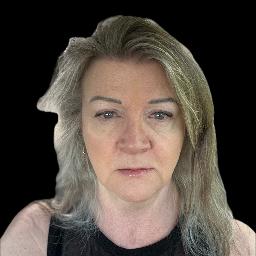
Lindsey Hoffman, LCSW
Licensed in Hawaii · 4 years in practice
Lindsey Hoffman is a licensed clinical social worker who focuses on practical, down-to-earth support for people feeling overwhelmed.
License and registration
- LCSW, Hawaii
- LCSW-4533 · expires June 2028
- NPI
- 1689108557 · national provider identifier
- Years in practice
- 4
- Languages
- English
Details are as listed on the therapist's public professional profile. You can check any license with the state board and any NPI with the national registry.
About Lindsey
Lindsey Hoffman is a licensed clinical social worker who focuses on practical, down-to-earth support for people feeling overwhelmed. She draws on concrete tools to help with stress, anxiety, mood changes after childbirth, and parenting challenges. Lindsey aims to create a calm space to talk and plan next steps.
She has four years of social work experience and has spent much of that time helping people navigate postpartum mood disorders, family conflict, and life transitions.
Background and approach
Lindsey also has experience supporting people from diverse backgrounds, including military families and members of the LGBTQ+ community. She uses a strengths-based approach that starts with where a person is now. In sessions she listens first, then helps set clear goals.
She blends structured techniques with practical homework people can try between meetings. That might include changing unhelpful thinking patterns, learning mindfulness skills to settle the body, or short solution-focused experiments to test new ways of coping. Lindsey also works with people facing grief, burnout, caregiver stress, and challenges tied to adoption or attachment.
She brings patience and straightforward feedback to help people make steady progress. Her style is warm and nonjudgmental, aiming to make therapy feel manageable and useful. Clients can expect a collaborative plan that highlights strengths and simple steps forward.
Lindsey prefers approaches that produce real, day-to-day changes and helps people practice new skills until they feel more confident.
Focus areas and approaches
Everything Lindsey lists on their public professional profile, in their own terms.
- Stress, Anxiety
- Trauma and abuse
- Parenting issues
- Depression
- ADHD
- LGBT
- Relationship issues
- Family conflicts
- Grief
- Eating disorders
- Sleeping disorders
- Self esteem
- Career difficulties
- Coping with life changes
- Coaching
- Compassion fatigue
- Adoption and foster care
- Attachment issues
- Autism and Asperger Syndrome
- Caregiver issues and stress
- Hospice and end-of-life counseling
- Impulsivity
- Isolation / loneliness
- Veteran and Armed Forces Issues
- Panic disorder and panic attacks
- Postpartum depression
- Post-traumatic stress
- Social anxiety and phobia
- Women's issues
Approaches Lindsey names
- Cognitive Behavioral Therapy (CBT)
- Eye Movement Desensitization and Reprocessing (EMDR)
- Mindfulness Therapy
- Solution-Focused Therapy
Naming an approach is not evidence of training in it. This directory copies what each therapist lists and does not check training records.
Online support
Approaches that translate well to online therapy
CBT helps people spot and test unhelpful thoughts and habits. Online, that looks like reviewing thought records together, setting small behavioral experiments, and checking progress each session. Many people use CBT for anxiety, depression, panic, and sleep problems.EMDR focuses on reducing the strong emotional charge of distressing memories. In remote sessions, clinicians guide bilateral stimulation and step through memory processing while supporting pacing and grounding. This approach is often used for trauma, panic attacks, and post-traumatic stress concerns.
Finding the right approach is part of the work. Lindsey takes a collaborative stance and will shape the plan around the client's goals, comfort, and needs. Together they decide which methods to try and adjust after checking how each approach feels and works in practice.
Online therapy offers flexibility through video calls, phone sessions, live chat, or text-based messaging. Video allows face-to-face interaction for skill practice, phone can be easier when bandwidth is limited, live chat or text messaging can fit brief check-ins or tight schedules. These options make it simpler to maintain regular sessions, follow up between meetings, and fit therapy into busy lives.
We will earn a commission if you sign up through our link, at no cost to you. It does not change what you pay or the order of the listings.
Questions people ask
What kinds of concerns does Lindsey help with?
She works with stress, anxiety, depression, postpartum mood changes, parenting and relationship strain, grief, sleep and eating issues, and related challenges listed in her specialties.
What is her therapeutic style like?
Her style is strengths-based and collaborative. She listens first, then uses practical techniques and homework to support change.
What experience does she bring to sessions?
She has four years of social work experience focused on postpartum mood disorders, family conflict, parenting, and life transitions, along with work with diverse communities.
Where is she licensed and located?
She holds a Hawaii LCSW and practices from Hawaii as indicated in her profile.
Which languages are supported for sessions?
Sessions are offered in English only.
What formats are available for working together?
Sessions may be conducted by video calls, phone sessions, live chat, or text-based messaging to suit different needs.
How does the payment or cost structure work?
Cost varies by location and therapist availability; sessions use a subscription model that can be canceled at any time.
How do I begin if I want to work with Lindsey?
Click the Start Therapy button, complete a short matching questionnaire, and schedule according to therapist availability.
More therapists in Hawaii
See all
Airy Mae Stocker
LCSW
Compassionate support for stress and trauma
- Stress, Anxiety
- Trauma and abuse
- Grief

Debra Counadis
LCSW
Experienced LCSW offering calm, practical support
- Stress, Anxiety
- Grief
- Self esteem

Is this your profile?
Ask us to correct details or take the page down.
Contact us