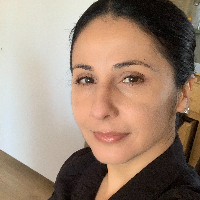
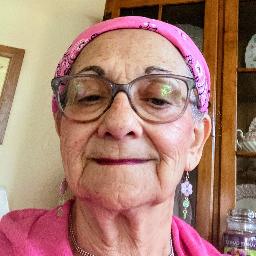
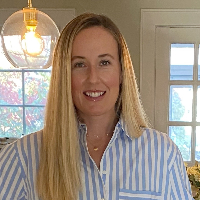
Nancy Fawcett
LCSW
Compassionate, practical support for stress and trauma
- Stress, Anxiety
- Relationship
- Family
Clinical social work directory
133 Licensed Clinical Social Workers in this directory hold a license issued in Connecticut. Sessions are online; a therapist can usually only see people in the states where they hold a license, so check the license panel on each profile.
Welcome to our Connecticut directory for online therapy. All listed therapists are licensed clinical social workers; explore profiles to see how an LCSW's person-in-environment perspective may match your needs.
LCSW
Compassionate, practical support for stress and trauma
LCSW
Helping people navigate intense feelings
LCSW
Compassionate, practical therapy for everyday struggles
LCSW
Compassionate, practical therapy for everyday struggles
LCSW
Supportive social worker for everyday challenges
LCSW
Compassionate, practical support for life's hard changes
LCSW
Practical, compassionate support for life’s challenges
LCSW
Calm, experienced support for daily challenges
LCSW
Therapist focused on relationships and coping
LCSW
Compassionate guidance for life’s difficult transitions
LCSW
Supportive LCSW helping with stress and relationships
LCSW
Experienced LCSW helping people through life changes
LCSW
Seasoned LCSW helping people manage stress and change
LCSW
Compassionate, practical support for life’s challenges
LCSW
Practical, direct care for stressful life challenges
LCSW
Trauma-informed social worker focused on practical skills
LCSW
Practical, compassionate support for everyday struggles
LCSW
Compassionate, practical support for life changes
LCSW
Compassionate, practical therapy for everyday struggles
LCSW
Compassionate, practical support for life transitions
LCSW
Compassionate practical therapy for everyday challenges
LCSW
Experienced LCSW offering practical, compassionate care
LCSW
Hopeful guidance from an experienced LCSW
LCSW
Compassionate, practical support for life's challenges
LCSW
Focused therapist helping people build practical skills
LCSW
Supportive LCSW offering practical, tailored care
LCSW
Compassionate LCSW focused on practical change
LCSW
Calm, practical support for daily struggles
LCSW
Practical, relationship-focused therapy for everyday struggles
LICSW, LCSW
Compassionate, practical support for life’s challenges
LCSW
Experienced LCSW focused on addiction and recovery
Some links on this page are partner links. We will earn a commission if you sign up through one, at no cost to you. It does not change what you pay or the order of the listings.
If you are considering online therapy with an LCSW in Connecticut, it helps to know what that credential represents and how it shapes care. An LCSW holds a master's degree in social work, has completed a state-required period of supervised post-graduate clinical experience, and has passed a clinical licensing exam. The license is issued and renewed by the Connecticut licensing authority, which also determines scope of practice for clinicians in the state. Social work training emphasizes a person-in-environment perspective, meaning an LCSW looks at your circumstances - housing, work, family, finances, community resources and access to care - alongside your internal experience. That orientation often leads to conversations that connect personal concerns with practical supports and systems that affect day-to-day life.
Online sessions with an LCSW typically happen through video, phone, or a combination of formats. Connecticut-licensed clinicians consider state rules about where the LCSW may legally provide remote care and how to manage cross-state practice. When you read a profile, you will see that clinicians describe their focus areas, languages spoken, and the formats they use for remote sessions. You can expect profiles to help you understand whether an LCSW emphasizes clinical work, case management, advocacy, or a blend of responsibilities rooted in social work practice.
Online therapy can reduce logistical barriers and make it easier to meet with a licensed clinical social worker even when travel, mobility, or scheduling limit in-person options. For many people, the convenience of connecting from home or another nearby location makes it simpler to attend regular sessions and to maintain continuity through life transitions. Because social work centers the role of environment, an LCSW working online can still address practical aspects of your situation - for example, helping you identify local supports, understand eligibility for community programs, or coordinate with other providers when appropriate.
You may find online appointments especially helpful if you live in a rural area of Connecticut, balance caregiving or work schedules, have physical limitations, or prefer the relative privacy of meeting from a familiar setting. Online sessions also make it easier to connect with an LCSW who speaks your language or who lists experience with particular populations. While online care is not the right fit for every situation, an LCSW can often adapt a person-centered approach to the remote setting and help you explore resources in your community as part of a broader plan.
Licensed clinical social workers in Connecticut commonly address a wide range of concerns that affect daily functioning and well-being. Many LCSWs work with people experiencing mood symptoms such as anxiety and depression, stress related to work or family roles, relationship and parenting challenges, grief and loss, life transitions like relocation or retirement, and the emotional impact of chronic health conditions. Because social work training links the individual to context, you can expect conversations that include practical problem solving - for example, identifying benefits, housing options, community programs, or school supports - alongside attention to emotional and behavioral patterns.
On profiles you will often notice that clinicians list the approaches they use and the populations they work with. Those listings are clinician-reported and do not imply specific certifications. You may find LCSWs who list trauma-focused approaches, relational or family work, support for caregivers, substance use recovery, or work with adolescents and older adults. When reviewing profiles, look for focus areas and population notes to find an LCSW whose experience aligns with the issues you want to address.
Verifying a clinician's license is a practical step you can take before connecting. Connecticut maintains public records for licensed professionals that typically include license type, status, expiration date, and any disciplinary actions. You can search the state licensing database by clinician name or license number to confirm that an LCSW holds an active license in Connecticut. The record will indicate whether the license is current and may offer contact information for the licensing board if you have questions about scope of practice or past actions.
When reviewing a license record, pay attention to the exact title shown, the issuance and expiration dates, and whether any restrictions or disciplinary notes appear. The title should read Licensed Clinical Social Worker or the state equivalent. If you have questions about what you find, the Connecticut licensing authority can provide official clarification. Verifying licensure helps you understand a clinician's legal standing and the basic parameters of practice in the state.
Beginning online therapy with an LCSW starts with clarifying what you want to address and what matters most in a clinical relationship. Consider whether you prefer a clinician who highlights a person-in-environment orientation, who lists experience with particular life stages or communities, or who offers sessions in a language you prefer. Read profiles to see how LCSWs describe their focus areas and professional background. Look for information about the kinds of concerns they commonly work with and any populations they note, and remember that a clinician may list certain approaches without that meaning they hold a formal certification in those methods.
When choosing an LCSW, think about alignment in identity, life experience, cultural understanding, and communication style as well as practical matters like fees, insurance participation, and session format. You can prepare for your first online session by choosing a quiet, well-lit place where you can speak without interruption, testing your internet connection and device, and having a list of goals or topics you want to raise. It is also wise to ask about how the clinician handles emergencies and what local resources they recommend if you need immediate help; an LCSW can help you identify supports in your area as part of care planning.
As you explore, consider whether a clinician's profile mentions populations and concerns that match your priorities, whether they list languages you are comfortable using, and whether they describe the formats they use for remote sessions. Look for clarity about education and the LCSW credential, and remember that this directory lists only clinicians who hold the LCSW license. If you want further confirmation of licensure or scope of practice, consult the Connecticut licensing board. Taking these steps can help you find a clinician whose orientation and experience fit the kind of support you want to pursue online.
Finding an online LCSW in Connecticut is about more than matching a title. It is about identifying a clinician whose person-in-environment perspective and practical knowledge align with your needs and circumstances. Use profiles to learn about focus areas, languages, and clinical interests, verify licensure through the state database, and prepare for your first session so you can get the most from remote care. With clear goals and an understanding of what an LCSW offers, you can take informed steps toward support that fits your life.