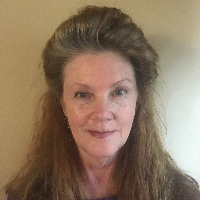
Veena Madhudi
LCSW, LCSW-R
Compassionate LCSW guiding steady change
- Stress, Anxiety
- Trauma and abuse
- Grief
Clinical social work directory
17 therapists in this directory list Licensed Clinical Social Worker - Psychotherapy R Privilege (LCSW-R). Registration details are shown as each therapist lists them; the body's own public register is the place to check a number.
An LCSW-R is a Licensed Clinical Social Worker with psychotherapy R privilege - a clinician who has completed an MSW, supervised post-graduate clinical hours, and passed a state clinical exam. Below you can browse verified LCSW-R therapists to review their focus areas, credentials, languages, and experience.
LCSW, LCSW-R
Compassionate LCSW guiding steady change
LCSW, LCSW-R
Practical support for stress and life changes
LCSW, LCSW-R
Compassionate, practical therapy for life changes
LCSW, LCSW-R
Compassionate, practical support for life’s tough times
LCSW, LCSW-R
Experienced LCSW offering practical, strengths-based care
LCSW, LCSW-R
Practical support for life transitions
LCSW-R, LCSW
Practical support for stress and life transitions
LCSW, LCSW-R
Experienced LCSW blending coaching and therapy
LCSW-R, LCSW
Practical, steady support for relationship and family stress
LCSW-R, LCSW
Compassionate social work for life’s hard moments
LCSW-R, LCSW
Compassionate practical support for major life challenges
LCSW-R, LCSW
Compassionate, experienced clinical social worker
LCSW-R, LCSW
Compassionate, practical support for life’s hard moments
LCSW-R, LCSW
Practical, down-to-earth support for everyday struggles
LCSW-R, LCSW
Practical support for grief, anxiety, and life change
LCSW, LCSW-R
Experienced LCSW focused on practical change
Some links on this page are partner links. We will earn a commission if you sign up through one, at no cost to you. It does not change what you pay or the order of the listings.
If you are looking into the LCSW-R credential, it helps to know what it represents. An LCSW-R holder has completed a master of social work degree and then fulfilled a period of supervised post-graduate clinical practice as defined by a state licensing board. That supervised period commonly spans two to three years and often includes several thousand clinical hours, though exact requirements vary by state. After meeting those experience requirements the candidate passes a clinical licensing examination and receives licensure from an individual state board. The designation "psychotherapy R privilege" indicates that the license includes authority to deliver psychotherapy in the ways the issuing state permits.
Because licensure is state-based, the path to an LCSW-R and the privileges it confers can differ from one jurisdiction to another. Renewal cycles, continuing education expectations, and precise scopes of practice are all set by the state board that issued the license. When you see the LCSW-R label on a therapist profile, it signifies that the clinician has met the formal academic, experiential, and exam benchmarks required by their licensing authority.
When you work with a clinician who holds an LCSW-R, you are connecting with a licensed clinical social worker authorized to provide assessment and psychotherapy within the parameters defined by their state. Many LCSW-R therapists are able to practice independently rather than working under clinical supervision, and they commonly provide clinical evaluations, diagnose behavioral health conditions where permitted, and offer ongoing psychotherapy. LCSW-R clinicians also bring expertise in navigating human service systems, which can be useful when addressing social or environmental contributors to distress.
It is useful to distinguish the LCSW-R from neighboring credential names. Licenses such as LICSW, LISW, LCSW-C, LMSW, and CSW are separate designations and in some cases reflect different levels of practice or different state naming conventions. The exact privileges and permissible activities for an LCSW-R are defined by the issuing state board, so the extent of independent practice or billing arrangements may not be identical across states.
LCSW-R clinicians work across a wide range of clinical areas. You will find many who focus on trauma, family and couples work, child and adolescent concerns, grief and loss, substance use, and life transitions. Others center their practice on medical social work - supporting people living with chronic illness or navigating hospital systems - or on older adult care, school-based behavioral health, and community mental health settings. Because social work training emphasizes context, many LCSW-Rs also engage with issues like housing instability, financial stress, employment challenges, and access to community resources alongside psychological concerns.
When reviewing profiles, consider the populations a clinician lists as their focus. Some LCSW-R therapists emphasize work with teenagers or young adults. Others list experience with perinatal mental health, veterans, or caregivers. Descriptions of specialty work reflect what the clinician highlights about their practice; those descriptions can help you identify professionals who speak to the life circumstances that matter most to you.
Verifying a professional license is straightforward and important. Start by locating the license number or the state of licensure on a clinician's profile. Each state maintains a licensing board website with a license lookup tool where you can enter a name or number to confirm the current status, expiration date, and any active restrictions or disciplinary actions. The board site also explains the precise title used in that state and the scope of practice that accompanies it.
If a profile does not list a license number, you can contact the clinician directly and request the information. If you need further clarification about what psychotherapy R privilege means in a given jurisdiction, the state board can provide authoritative details. Keep in mind that licensure searches are the most reliable way to confirm formal standing because public listings and professional profiles change frequently.
One reason people choose an LCSW-R is the social work perspective that commonly shapes their practice. Social work training emphasizes the person-in-environment view, so an LCSW-R will typically consider your life context - housing, work, family relationships, finances, community connections, and access to services - alongside your internal experience. That emphasis can make an LCSW-R especially helpful if you want an approach that integrates psychosocial factors and practical supports with clinical care.
LCSW-R clinicians are also often adept at coordinating with other systems, such as schools, medical providers, or social services, because connecting clients to concrete resources has long been central to social work roles. You may find that an LCSW-R brings familiarity with public benefits, community programs, and advocacy strategies that complement psychotherapy work.
When you are comparing profiles, focus on a handful of consistent points: the populations the clinician lists, their stated clinical focus areas, any languages they offer, and the amount of clinical experience they report. Pay attention to descriptions that mention how they approach sessions, what kinds of concerns they commonly address, and whether they note additional roles such as case coordination or work in medical or school settings. These elements help you find someone whose practice aligns with the challenges you want to address.
It is reasonable to ask questions about logistics when you first make contact. Inquire about session format, whether the clinician offers in-person or online sessions, how they typically structure an initial appointment, and how they integrate social or community resources into care. You can also ask about cultural competence, language fluency, and experience working with people whose identities or life circumstances match yours. Comparing focus areas, approaches the clinician lists, credentials, languages, and experience will give you a clearer sense of fit without relying on availability information.
Choosing an LCSW-R is often as much about the clinician's orientation and experience as it is about a specific credential. By understanding what LCSW-R means, confirming licensure through the state board, and looking at the practical elements of a clinician's profile, you can make a more informed decision about who may be a good match for your needs.