
Wanda Jensen, LCSW
Licensed in Montana · 4 years in practice
Wanda Jensen is a Licensed Clinical Social Worker (LCSW) based in Montana who blends practical therapy methods with a respect for each person's story.
License and registration
- LCSW, Montana
- BBH-LCSW-LIC-62696 · expires December 2026
- NPI
- 1154099588 · national provider identifier
- Years in practice
- 4
- Languages
- English
Details are as listed on the therapist's public professional profile. You can check any license with the state board and any NPI with the national registry.
About Wanda
Wanda Jensen is a Licensed Clinical Social Worker (LCSW) based in Montana who blends practical therapy methods with a respect for each person's story. She centers the relationship with clients and offers steady, direct support for everyday struggles. Wanda emphasizes empathy and clear goals during sessions.
She uses ideas from systems theory to look beyond symptoms and see how family, friends, work, and community shape behavior. That perspective helps identify patterns that keep problems going and points to doable changes.
Background and approach
Wanda also draws on Applied Behavioral Analysis to break habits into small steps and teach skills that replace unhelpful behaviors. Her work addresses stress, anxiety, depression, and trauma and abuse, along with parenting concerns, low self-esteem, relationship strain, grief, anger, and mood disorders. She also helps people dealing with ADHD, compassion fatigue, and major life changes.
Wanda pays attention to attachment and abandonment issues, communication problems, codependency, and isolation when these themes come up. Sessions aim to build practical coping skills and clearer thinking. She combines elements of cognitive behavioral work, acceptance-based approaches, and client-centered listening to tailor each plan.
Wanda aims to help people identify small steps that lead to steady progress. With four years of professional experience, she brings a straightforward, growth-minded attitude. Clients who want a therapist who listens, sets clear goals, and focuses on real-life changes may find her style approachable and useful.
Focus areas and approaches
Everything Wanda lists on their public professional profile, in their own terms.
- Stress, Anxiety
- Trauma and abuse
- Parenting issues
- Self esteem
- Depression
- Relationship issues
- Family conflicts
- Grief
- Anger management
- Bipolar disorder
- Coping with life changes
- Compassion fatigue
- ADHD
- Abandonment
- Attachment issues
- Blended family issues
- Codependency
- Communication problems
- Dependent personality
- Disruptive Mood Dysregulation Disorder (DMDD)
- Dissociation
- Domestic violence
- Family problems
- Guilt and shame
- Isolation / loneliness
- Midlife crisis
- Mood disorders
- Narcissism
- Obsessions, compulsions, and OCD
- Panic disorder and panic attacks
- Paranoia
- Personality disorders
- Phobias
- Post-traumatic stress
- Seasonal Affective Disorder (SAD)
- Self-harm
- Social anxiety and phobia
- Young adult issues
Approaches Wanda names
- Acceptance and Commitment Therapy (ACT)
- Attachment-Based Therapy
- Client-Centered Therapy
- Cognitive Behavioral Therapy (CBT)
- Dialectical Behavior Therapy (DBT)
- Eye Movement Desensitization and Reprocessing (EMDR)
- Mindfulness Therapy
- Motivational Interviewing
- Narrative Therapy
- Psychodynamic Therapy
- Solution-Focused Therapy
- Trauma-Focused Therapy
Naming an approach is not evidence of training in it. This directory copies what each therapist lists and does not check training records.
Online support
How Wanda’s approaches translate to online care
Wanda often uses Acceptance and Commitment Therapy, which helps people notice difficult thoughts and feelings without getting stuck in them and then take committed steps toward what matters. That approach can help with anxiety, depression, and motivation issues. Attachment-Based Therapy is another emphasis; it looks at early relationship patterns and how they affect current connections, which is useful for relationship strain, abandonment concerns, and attachment issues.Choosing the right approach is a team effort. Wanda discusses goals and preferences with each person and adjusts methods as needed. She combines techniques so work in sessions lines up with real life and the changes a person wants to make.
Online therapy formats include video calls, phone sessions, live chat, and text-based messaging, which offer flexibility for different needs. Video lets therapists and clients read facial cues and work in a more conversational way. Phone sessions can be easier when bandwidth is limited or when someone prefers not to be on camera. Messaging and live chat are useful for shorter check-ins, skill practice between sessions, or when fitting therapy into a busy day.
We will earn a commission if you sign up through our link, at no cost to you. It does not change what you pay or the order of the listings.
Questions people ask
What kinds of concerns does Wanda address?
She works with stress, anxiety, depression, trauma and abuse, parenting challenges, self-esteem, relationship strain, grief, anger, mood disorders, ADHD, and related issues.
How would you describe her therapy style?
Her style is practical and collaborative, combining client-centered listening with cognitive and acceptance-based techniques to teach coping skills and clearer thinking.
What is her professional background?
Wanda has four years of professional experience and a degree in Applied Behavioral Analysis, which she uses to understand and change behavior patterns.
Where is she licensed and located?
She is a Licensed Clinical Social Worker (LCSW) licensed in Montana and practices from that state.
Which languages are supported for sessions?
Sessions are offered in English.
What session formats are available?
Sessions are offered by video calls, phone sessions, live chat, or text-based messaging to suit different needs and schedules.
How are sessions priced?
Cost varies with location and therapist availability; sessions use a subscription model that can be canceled at any time.
How do I begin working with her?
Start by selecting the Start Therapy button, complete a short matching questionnaire, and then schedule sessions according to therapist availability.
More therapists in Montana
See all
Sydney Blair
LCSW
Steady, practical therapy for life transitions
- Stress, Anxiety
- Relationship
- Self esteem

Angela Whitecrane Widdicombe
LCSW, LMFT
Seasoned relational clinician and addiction support
- Stress, Anxiety
- Addictions
- Relationship
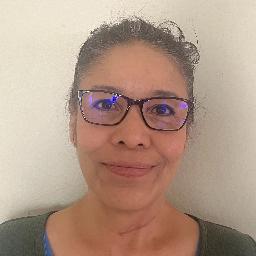
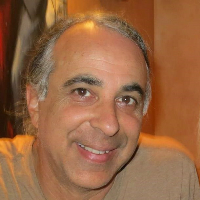
Paul Dokey
LCSW
Practical, present-focused therapy for everyday struggles
- Stress, Anxiety
- Addictions
- Relationship
Is this your profile?
Ask us to correct details or take the page down.
Contact us