
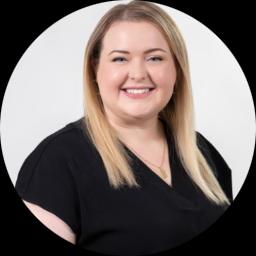
Sarah Moyer, LCSW
Licensed in New York · 6 years in practice
Sarah Moyer is a Licensed Clinical Social Worker who helps people facing addiction, grief, eating concerns, depression, and LGBT-related issues.
License and registration
- LCSW, New York
- 099738 · expires February 2028
- NPI
- 1184309403 · national provider identifier
- Years in practice
- 6
- Languages
- English
Details are as listed on the therapist's public professional profile. You can check any license with the state board and any NPI with the national registry.
About Sarah
Sarah Moyer is a Licensed Clinical Social Worker who helps people facing addiction, grief, eating concerns, depression, and LGBT-related issues. She brings six years of counseling experience and works with clients to address body image, codependency, communication problems, and related struggles. Sarah aims to make the first steps feel manageable and approachable for worried parents and individuals seeking support.
She keeps sessions straightforward and practical. Sarah uses a mix of methods to help people challenge unhelpful thoughts and patterns while also learning to accept what cannot be changed.
Background and approach
She values creativity and adapts tools to fit each person’s situation rather than using a single rigid approach. Her background includes work in substance abuse and general mental health counseling, alongside a Master of Social Work from Stony Brook University. As a New York Licensed Clinical Social Worker - LCSW, she draws on clinical experience to shape thoughtful plans for change.
In sessions she focuses on small, doable steps. People can expect help sorting out commitment issues, control problems, attachment concerns, and struggles around gender or sexual identity. Sarah also supports people dealing with hoarding, guilt, shame, and the emptiness that can follow loss.
She invites clients to bring what feels heavy and work through it together. Sarah aims to be part of the support network people build as they make changes, pairing practical strategies with steady encouragement.
Focus areas and approaches
Everything Sarah lists on their public professional profile, in their own terms.
- Addictions
- LGBT
- Grief
- Eating disorders
- Depression
- Attachment issues
- Avoidant personality
- BDSM, kink, and alternative sex culture
- Body image
- Codependency
- Commitment issues
- Communication problems
- Control issues
- Drug and alcohol addiction
- Eating and food-related issues
- Emptiness
- Family problems
- Gender dysphoria
- Guilt and shame
- Hoarding
- Hospice and end-of-life counseling
- Impulsivity
- Isolation / loneliness
- Life purpose
- Mood disorders
- Obsessions, compulsions, and OCD
- Panic disorder and panic attacks
- Personality disorders
- Polyamory / non-monogamous relationships
- Post-traumatic stress
- Process addiction (porn, exercise, gambling)
- Seasonal Affective Disorder (SAD)
- Self-harm
- Self-love
- Sexuality
- Social anxiety and phobia
- Trichotillomania
- Women's issues
- Workplace issues
- Young adult issues
Online support
How evidence-based work meets online therapy
Sarah often uses Cognitive Behavioral Therapy to help people notice and change unhelpful thoughts and behaviors; this approach is useful for depression, eating concerns, and many anxiety-driven habits. She also draws on Acceptance and Commitment Therapy to help people clarify values and take committed action even when difficult feelings remain. These methods are practical and goal-oriented, so they adapt well to online formats.Finding the best approach is a collaborative process. The therapist will talk with each person about goals, try techniques, and adjust the plan over time based on what works and what feels right. Clients and the therapist decide together which tools to keep using and which to change.
Online sessions offer flexibility for people with busy lives. Video calls let for face-to-face conversation when that matters. Phone sessions use less bandwidth and can fit a break at work. Live chat and text-based messaging support quick check-ins or steady support between longer sessions. These options make it easier to keep continuity and practice new skills in day-to-day life.
We will earn a commission if you sign up through our link, at no cost to you. It does not change what you pay or the order of the listings.
Questions people ask
What concerns does this therapist address?
She helps people with addictions, depression, eating and food-related issues, grief, and LGBT-related concerns, along with body image, codependency, and communication problems.
What is the therapist's general approach in sessions?
Sessions focus on practical, adaptable techniques pulled from different evidence-based methods to challenge unhelpful thinking and build new habits.
How much clinical experience does she have?
She has six years of experience working in substance abuse and mental health counseling.
What credentials and location are listed?
She is a Licensed Clinical Social Worker (LCSW) licensed in New York and practices from that state.
Which languages are supported and are international clients accepted?
Sessions are offered in English and international clients are not currently accepted.
What session formats are available online?
Therapy is offered via video calls, phone sessions, live chat, and text-based messaging to suit different needs and schedules.
How is cost handled for sessions?
Cost varies with location and therapist availability; sessions use a subscription model that can be canceled at any time.
How do I begin working with this therapist?
Click the Start Therapy button, complete a short matching questionnaire, and then schedule sessions according to the therapist's availability.
More therapists in New York
See all

LaTisha Honor
LCSW
Compassionate guidance for relationship and self issues
- Relationship
- Trauma and abuse
- Intimacy-related issues

Is this your profile?
Ask us to correct details or take the page down.
Contact us