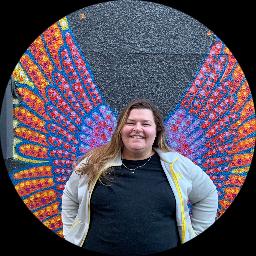
Sara Robbins, LCSW, CSW
Licensed in Colorado · 5 years in practice
Sara Robbins is a Licensed Clinical Social Worker who brings five years of clinical experience to her practice in Colorado.
License and registration
- LCSW, Colorado
- CSW.09929959 · expires August 2027
- NPI
- 1073294310 · national provider identifier
- Years in practice
- 5
- Languages
- English
Details are as listed on the therapist's public professional profile. You can check any license with the state board and any NPI with the national registry.
About Sara
Sara Robbins is a Licensed Clinical Social Worker who brings five years of clinical experience to her practice in Colorado. She focuses on stress, anxiety, depression, trauma and abuse, and LGBT-related concerns. Sara offers straightforward care aimed at helping people feel steadier and more able to manage day-to-day life.
She takes a practical, collaborative approach in sessions. Sara helps people set clear goals and builds simple tools they can use between meetings.
Background and approach
The work often includes learning skills to manage panic, reduce overwhelm, and address painful memories in manageable steps. Sara uses a mix of therapies that match each person's needs. She may combine skill-building work for emotional regulation with focused conversations that reframe difficult stories people tell themselves.
For those who have experienced trauma, she can bring in methods that target troubling memories and their impact on daily life. Her clinical background includes outpatient leadership and inpatient experience, and she has worked with people facing co-occurring mental health and substance use concerns. That experience informs how she plans practical, staged treatment that respects where a person is starting from.
Sara aims to create a steady, honest space in therapy. Sessions are collaborative and goal-focused, with attention to cultural sensitivity and respect. People who want clear techniques, gentle processing of trauma, and help managing strong emotions may find her style a good fit.
Focus areas and approaches
Everything Sara lists on their public professional profile, in their own terms.
- Stress, Anxiety
- LGBT
- Trauma and abuse
- Self esteem
- Depression
- Abandonment
- Attachment issues
- Control issues
- Dissociation
- Emptiness
- Forgiveness
- Guilt and shame
- Isolation / loneliness
- Veteran and Armed Forces Issues
- Panic disorder and panic attacks
- Post-traumatic stress
- Prejudice and discrimination
- Self-love
- Sexual assault and abuse
- Sexuality
- Social anxiety and phobia
- Women's issues
Approaches Sara names
- Cognitive Behavioral Therapy (CBT)
- Dialectical Behavior Therapy (DBT)
- Eye Movement Desensitization and Reprocessing (EMDR)
- Motivational Interviewing
- Narrative Therapy
- Solution-Focused Therapy
- Somatic Therapy
- Trauma-Focused Therapy
Naming an approach is not evidence of training in it. This directory copies what each therapist lists and does not check training records.
Online support
How specific approaches translate to online care
CBT, or Cognitive Behavioral Therapy, focuses on identifying unhelpful thoughts and testing them against real life. It teaches practical exercises and behavioral experiments that help reduce anxiety and low mood over time.DBT, or Dialectical Behavior Therapy, emphasizes building skills for emotional regulation, distress tolerance, and clearer communication. It is useful for people who want concrete strategies for managing intense feelings and improving day-to-day functioning.
EMDR, Eye Movement Desensitization and Reprocessing, is a method that targets distressing memories and their emotional impact. In sessions it is used to reduce the hold that traumatic memories have on current reactions and coping.
Finding the right approach is part of the work. Sara will discuss these methods and help decide which fits best based on goals, symptoms, and personal comfort. That decision is collaborative and can change as progress is made.
Online therapy offers practical flexibility. Video calls allow face-to-face conversation when deeper emotional work is needed. Phone sessions can be a lower-bandwidth option or used when a shorter check-in is appropriate. Live chat and text-based messaging make it easier to check in between sessions, share brief updates, or get immediate coaching on coping skills. These options let people fit therapy into busy lives and continue work consistently.
We will earn a commission if you sign up through our link, at no cost to you. It does not change what you pay or the order of the listings.
Questions people ask
What concerns does Sara work with?
Sara focuses on stress, anxiety, depression, trauma and abuse, and LGBT-related concerns. She also addresses issues such as panic attacks, post-traumatic stress, self-esteem, and feelings of isolation.
What is her therapy style like?
Sessions are collaborative and practical. She helps people set goals, teaches coping skills, and uses focused talk work to reframe difficult patterns.
What relevant experience does she have?
Sara has five years of clinical experience working in outpatient and inpatient settings and has overseen programs that serve people with co-occurring mental health and substance use concerns.
Where does she practice and what are her credentials?
She practices in Colorado and holds the credentials LCSW and CSW, including a Colorado LCSW.
Can sessions be held in languages other than English?
Sessions are offered in English.
Which session formats are available?
Therapy is offered via video calls, phone sessions, live chat, or text-based messaging to fit different needs and schedules.
How does cost and billing work?
Cost varies with location and therapist availability; sessions use a subscription model that can be canceled at any time.
What do I need to do to start sessions?
Begin by selecting the Start Therapy button, completing a short matching questionnaire, and scheduling according to therapist availability.
More therapists in Colorado
See allMadison Montes
LCSW, CSW
Practical support for stress and recovery
- Stress, Anxiety
- Addictions
- Trauma and abuse

Diana Kelly
LCSW, CSW, LIMHP
Compassionate client-centered therapy with experience
- Stress, Anxiety
- LGBT
- Grief
Nicole Porter
LCSW, CSW
Practical support for stress, relationships, and life change
- Stress, Anxiety
- Relationship
- Family
Rebecca Lanier
LCSW, CSW
Experienced LCSW focused on practical growth
- Stress, Anxiety
- Relationship
- Trauma and abuse
Is this your profile?
Ask us to correct details or take the page down.
Contact us