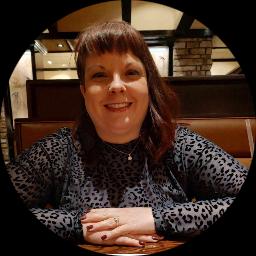
Rachel Dowell, LCSW
Licensed in Missouri · 5 years in practice
Rachel Dowell uses a person-centered approach that keeps the client's goals central.
License and registration
- LCSW, Missouri
- 2024039717 · expires September 2027
- NPI
- 1225709025 · national provider identifier
- Years in practice
- 5
- Languages
- English
Details are as listed on the therapist's public professional profile. You can check any license with the state board and any NPI with the national registry.
About Rachel
Rachel Dowell uses a person-centered approach that keeps the client's goals central. She combines practical techniques with respectful listening so people can work through stress, anxiety, relationship strain, grief, trauma, and self-esteem struggles. Rachel is a Licensed Clinical Social Worker, which she brings into sessions alongside a warm, direct style.
She meets people where they are and treats them as the expert on their life. Sessions focus on clear steps a person can try between appointments, not just talking.
Background and approach
Rachel offers honest feedback and helps clients set achievable goals for change. Her work draws from Cognitive Behavioral Therapy and Acceptance and Commitment Therapy to shift unhelpful thinking and strengthen values-based action. She also uses Eye Movement Desensitization and Reprocessing for processing traumatic memories and Gottman-informed ideas when relationship patterns come up.
Rachel has five years of clinical experience in settings that included substance use and co-occurring conditions, crisis work, and relationship conflict. That background informs how she responds to complex issues like isolation, codependency, control struggles, and post-traumatic stress. People come to Rachel for help with specific problems such as abandonment fears, communication breakdowns, guilt and shame, and life-purpose questions.
Her sessions aim to give practical tools, clearer perspective, and a plan people can use between meetings.
Focus areas and approaches
Everything Rachel lists on their public professional profile, in their own terms.
- Stress, Anxiety
- Relationship issues
- Trauma and abuse
- Grief
- Self esteem
- Abandonment
- Attachment issues
- Co-morbidity
- Codependency
- Communication problems
- Control issues
- Domestic violence
- Drug and alcohol addiction
- Family problems
- Forgiveness
- Guilt and shame
- Isolation / loneliness
- Jealousy
- Life purpose
- Post-traumatic stress
- Self-love
- Women's issues
Approaches Rachel names
- Acceptance and Commitment Therapy (ACT)
- Client-Centered Therapy
- Cognitive Behavioral Therapy (CBT)
- Eye Movement Desensitization and Reprocessing (EMDR)
- Gottman Method
- Motivational Interviewing
- Trauma-Focused Therapy
Naming an approach is not evidence of training in it. This directory copies what each therapist lists and does not check training records.
Online support
Therapeutic approaches and online care that fit your life
Acceptance and Commitment Therapy helps people notice unhelpful thoughts and choose actions that match their values. It is useful for anxiety, stress, and finding clearer direction in life. Cognitive Behavioral Therapy focuses on identifying and changing thinking and behavior patterns that keep problems going, which works well for anxiety, mood concerns, and many daily stressors. Eye Movement Desensitization and Reprocessing is a method used to reduce the intensity of troubling memories so they interfere less with daily life and relationships.Finding the right approach is part of the work. Rachel will discuss these methods with each person and decide together what fits best based on goals, symptoms, and personal preference. That collaborative choice shapes what techniques are used in online sessions and what homework or practice makes sense between meetings.
Online therapy offers flexibility through video calls, phone sessions, live chat, or text-based messaging. Video sessions let people work face-to-face from another location. Phone sessions can be shorter check-ins or a lower-bandwidth option. Live chat and text messaging let clients check in between appointments or use text for brief concerns. These formats make it easier to fit therapy into a busy life while still using ACT, CBT, or EMDR techniques in regular sessions.
We will earn a commission if you sign up through our link, at no cost to you. It does not change what you pay or the order of the listings.
Questions people ask
What concerns does Rachel address in sessions?
She works with stress, anxiety, relationship issues, trauma and abuse, grief, and self-esteem problems, plus related concerns like abandonment, codependency, substance use, and post-traumatic stress.
What therapeutic style can I expect?
Sessions are person-centered and collaborative, using CBT and ACT techniques alongside EMDR and Gottman-informed methods when appropriate.
What is her professional background?
Rachel has five years of clinical experience, including work with substance use, crisis intervention, relationship conflict, and trauma-related concerns.
Where is Rachel licensed and located?
She holds a Missouri LCSW and practices with a focus on clients in Missouri.
Which languages are sessions offered in?
Sessions are offered in English.
What session formats are available?
Therapy is offered via video calls, phone sessions, live chat, and text-based messaging to fit different needs and schedules.
How are costs and billing handled?
Cost varies with location and therapist availability; sessions use a subscription model that can be canceled at any time.
How do I begin working with Rachel?
Start by selecting the Start Therapy button, complete a short matching questionnaire, and then schedule sessions according to therapist availability.
More therapists in Missouri
See all
Barbara Fotsch
LCSW
Practical, down-to-earth therapy for real life
- Stress, Anxiety
- Addictions
- Parenting

Teresa Nichols
LCSW
Positive, practical support for lasting change
- Stress, Anxiety
- Addictions
- Relationship
Is this your profile?
Ask us to correct details or take the page down.
Contact us