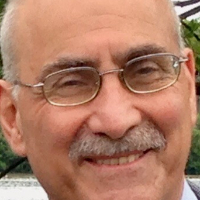
Michael Ruberton, LCSW
Licensed in Missouri · 40 years in practice
Michael Ruberton is a licensed clinical social worker with forty years of practice.
License and registration
- LCSW, Missouri
- 001531 · expires September 2027
- NPI
- 1528660503 · national provider identifier
- Years in practice
- 40
- Languages
- English
Details are as listed on the therapist's public professional profile. You can check any license with the state board and any NPI with the national registry.
About Michael
Michael Ruberton is a licensed clinical social worker with forty years of practice. He focuses on clear, direct help for people dealing with stress, anxiety, depression, trauma, addictions, and relationship or family struggles. He uses practical methods to help clients set and reach goals while honoring their voice in the room.
He prefers a warm, supportive style that lets the person lead the conversation. Sessions tend to emphasize real-life steps - thinking differently about a problem, trying different behaviors, and setting small goals.
Background and approach
He combines client-centered listening with cognitive behavioral techniques and motivational interviewing to help people make changes they choose. His background includes individual, family, and group counseling in homes, offices, and institutional settings. That variety has exposed him to many different problems, from mood disorders and grief to trauma and addiction.
He has worked both with people harmed by abuse and with people who have caused harm. Many clients benefit from a straightforward plan and steady support, and he often helps people clarify priorities and build coping skills. He also pays attention to life stage issues such as aging and family of origin problems.
The approach is practical and focused on what the client wants to achieve. Sessions are offered in English and take place with the client choosing video, phone, live chat, or text-based messaging. Michael practices in Missouri as an LCSW and draws on decades of experience to guide conversations toward manageable change.
Focus areas and approaches
Everything Michael lists on their public professional profile, in their own terms.
- Stress, Anxiety
- Trauma and abuse
- Anger management
- Self esteem
- Addictions
- Relationship issues
- Family conflicts
- Grief
- Intimacy-related issues
- Bipolar disorder
- Depression
- Coping with life changes
- ADHD
- Aging and geriatric issues
- Antisocial personality
- Codependency
- Family of origin issues
- Family problems
- Men's issues
- Mood disorders
- Self-harm
- Sexual assault and abuse
Approaches Michael names
- Client-Centered Therapy
- Cognitive Behavioral Therapy (CBT)
- Existential Therapy
- Motivational Interviewing
- Solution-Focused Therapy
- Trauma-Focused Therapy
Naming an approach is not evidence of training in it. This directory copies what each therapist lists and does not check training records.
Online support
Approach-driven care available online
Client-centered therapy focuses on listening, respect, and following the client's lead. It helps when someone needs space to talk, to feel heard, and to decide goals at their own pace. Cognitive Behavioral Therapy, or CBT, looks at how thoughts and behaviors influence feelings and teaches practical skills for changing unhelpful patterns; it is often used for anxiety, depression, and stress. Motivational Interviewing helps people clarify their own reasons for change and builds motivation one step at a time, which can be useful for addictions and behavior change.Choosing the right approach is part of the work together. The therapist will talk with the client about needs, goals, and preferences and then shape sessions around what seems most useful. This collaborative process can blend listening, skill-building, and goal-setting so the plan fits the person's life.
Online formats include video calls, phone sessions, live chat, and text-based messaging, which offer flexibility for different schedules and situations. Video is helpful for full conversations and visual cues, phone works well when bandwidth or camera use is limited, live chat can be a shorter check-in, and messaging supports ongoing reflection between sessions. These options make it easier to fit therapy into a busy life while using the approaches that suit each person.
We will earn a commission if you sign up through our link, at no cost to you. It does not change what you pay or the order of the listings.
Questions people ask
What concerns does he help address?
He works with stress, anxiety, trauma and abuse, anger, self-esteem, addictions, relationship and family problems, grief, intimacy issues, bipolar and mood disorders, depression, ADHD, and related concerns.
What is his therapeutic style like?
He uses a warm, supportive, client-centered approach and encourages people to lead sessions. He pairs listening with practical techniques to set goals and change unhelpful patterns.
How long has he been practicing?
He brings forty years of experience working in individual, family, and group settings across homes, offices, and institutions.
Where is he based and what credentials does he hold?
He practices in Missouri and holds the credential LCSW, which stands for Licensed Clinical Social Worker.
Which languages are supported?
Sessions are offered in English.
What session formats are available?
Clients may choose video calls, phone sessions, live chat, or text-based messaging depending on what fits their needs.
How is cost handled?
Cost varies with location and therapist availability; sessions use a subscription that can be canceled at any time.
How do I begin working with him?
Click the Start Therapy button, complete a short matching questionnaire, and schedule sessions according to therapist availability.
More therapists in Missouri
See all
Barbara Fotsch
LCSW
Practical, down-to-earth therapy for real life
- Stress, Anxiety
- Addictions
- Parenting

Teresa Nichols
LCSW
Positive, practical support for lasting change
- Stress, Anxiety
- Addictions
- Relationship
Is this your profile?
Ask us to correct details or take the page down.
Contact us