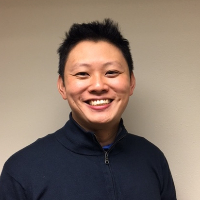
Mark Yeung, LCSW
Licensed in Oregon · 12 years in practice
Mark Yeung is a Licensed Clinical Social Worker (LCSW) based in Oregon who draws on practical, evidence-informed approaches to help people manage stress, anxiety, grief, depression, and addictions.
License and registration
- LCSW, Oregon
- L5904 · expires March 2026
- LICSW, Washington
- LW60567700 · expires February 2026
- LCSW, California
- 28753 · expires February 2026
- NPI
- 1356686398 · national provider identifier
- Years in practice
- 12
- Languages
- English
Details are as listed on the therapist's public professional profile. You can check any license with the state board and any NPI with the national registry.
About Mark
Mark Yeung is a Licensed Clinical Social Worker (LCSW) based in Oregon who draws on practical, evidence-informed approaches to help people manage stress, anxiety, grief, depression, and addictions. He keeps sessions straightforward and focused on what matters now. Mark aims to build a warm working relationship and help clients pursue concrete changes in day-to-day life.
He often uses Cognitive Behavioral Therapy to identify unhelpful thoughts and try small behavioral changes.
Background and approach
Acceptance and Commitment Therapy helps people clarify values and take committed steps toward them. Dialectical Behavior Therapy adds skills for managing intense emotions and improving distress tolerance. Mark also brings a client-centered, humanistic stance to sessions.
That means listening closely, meeting people where they are, and shaping each session around a person's goals. He blends approaches so clients get practical tools and space to process difficult feelings.
His background includes a Master of Social Work and a Master of Public Health from the University of California, Berkeley, and about 12 years of clinical experience working with people facing chronic illness, bereavement, trauma, and life transitions. That clinical work has included support for issues related to aging, caregiver stress, chronic pain, multicultural concerns, and immigration-related stress.
Sessions can address relationship struggles, career or parenting concerns, intimacy or sexual issues, ADHD, and coping with major life changes. Mark presents therapy as a partnership where small steps and steady skills add up to noticeable change.
Focus areas and approaches
Everything Mark lists on their public professional profile, in their own terms.
- Stress, Anxiety
- Relationship issues
- Grief
- Depression
- Coaching
- Addictions
- LGBT
- Family conflicts
- Trauma and abuse
- Intimacy-related issues
- Eating disorders
- Sleeping disorders
- Parenting issues
- Anger management
- Self esteem
- Career difficulties
- Bipolar disorder
- Coping with life changes
- Compassion fatigue
- ADHD
- Aging and geriatric issues
- Attachment issues
- Cancer
- Caregiver issues and stress
- Chronic pain, illness, and disability
- Codependency
- Communication problems
- Family of origin issues
- Family problems
- Fatherhood issues
- Guilt and shame
- Hospice and end-of-life counseling
- Immigration issues
- Multicultural concerns
- Prejudice and discrimination
- Traumatic brain injury
Approaches Mark names
- Acceptance and Commitment Therapy (ACT)
- Client-Centered Therapy
- Cognitive Behavioral Therapy (CBT)
- Dialectical Behavior Therapy (DBT)
- Gottman Method
- Motivational Interviewing
- Narrative Therapy
- Solution-Focused Therapy
Naming an approach is not evidence of training in it. This directory copies what each therapist lists and does not check training records.
Online support
How online sessions use practical approaches
Acceptance and Commitment Therapy (ACT) helps people clarify what matters to them and take small committed steps toward those values. It supports coping with anxiety, depression, and life transitions by focusing on actions that matter even when feelings are difficult. Cognitive Behavioral Therapy (CBT) looks at patterns of thought and behavior and tests small changes to reduce distress and improve daily functioning. CBT is often used for anxiety, depression, sleep, and eating concerns. Dialectical Behavior Therapy (DBT) teaches concrete skills for emotional regulation, distress tolerance, and better interpersonal communication, which can be useful for strong emotions and relationship strain.Finding the right mix of approaches is part of the work. The therapist will discuss goals, preferences, and the kinds of skills a person wants to learn. Together they will try methods that fit the client's needs and adjust the plan based on what helps most in real life.
Online therapy offers several practical advantages. Video calls allow face-to-face conversation when that is helpful, phone sessions can be a simpler option when bandwidth is limited, live chat works well for shorter check-ins, and text-based messaging supports ongoing reflection between sessions. These formats make it easier to fit therapy into busy schedules, match different communication styles, and keep continuity across life changes.
We will earn a commission if you sign up through our link, at no cost to you. It does not change what you pay or the order of the listings.
Questions people ask
What kinds of concerns can be brought to sessions?
Mark works with a wide range of issues including stress, anxiety, depression, grief, addictions, relationship and intimacy concerns, parenting and career issues, ADHD, and coping with life changes.
What is the therapy style and approach?
Sessions combine approaches like Cognitive Behavioral Therapy, Acceptance and Commitment Therapy, Dialectical Behavior Therapy, Gottman Method and client-centered work to give both practical skills and space to process feelings.
How much clinical experience does this therapist have?
He has about 12 years of experience supporting people through chronic illness, bereavement, trauma, caregiver stress, and other life transitions.
Where is this therapist licensed and located?
Mark is a Licensed Clinical Social Worker and practices out of Oregon.
Which languages are supported in sessions?
Sessions are offered in English.
What session formats are available?
Work can happen via video calls, phone sessions, live chat, or text-based messaging depending on what fits a persons needs and schedule.
How are fees and payment handled?
Costs vary with location and therapist availability; sessions use a subscription model that can be canceled at any time.
How do I begin working with this therapist?
Start by selecting the Start Therapy button, complete a short matching questionnaire, and then schedule sessions according to the therapists availability.
More therapists in Oregon
See allSharie Kelley
LCSW
Experienced LCSW focused on practical change
- Stress, Anxiety
- Addictions
- Trauma and abuse

Stacie Westbrook
LCSW
Supportive LCSW for parenting and life stress
- Stress, Anxiety
- Relationship
- Parenting
Linda McNellis
LCSW
Compassionate, practical therapy for life’s hard moments
- Stress, Anxiety
- Trauma and abuse
- Grief

Danyelle Sanders
LCSW
Compassionate, practical care for stress and life changes
- Stress, Anxiety
- Addictions
- Self esteem

Is this your profile?
Ask us to correct details or take the page down.
Contact us