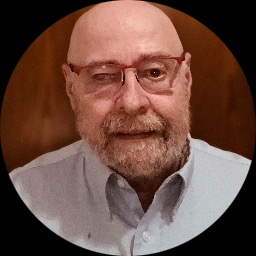
Sharie Kelley
LCSW
Experienced LCSW focused on practical change
- Stress, Anxiety
- Addictions
- Trauma and abuse
Clinical social work directory
78 Licensed Clinical Social Workers in this directory hold a license issued in Oregon. Sessions are online; a therapist can usually only see people in the states where they hold a license, so check the license panel on each profile.
Welcome to our Oregon directory of licensed social workers who provide online therapy. Every professional listed here holds an LCSW license in the United States. Explore profiles to learn about focus areas, languages, and clinical experience to find a good fit.
LCSW
Experienced LCSW focused on practical change
LCSW
Supportive LCSW for parenting and life stress
LCSW
Compassionate, practical therapy for life’s hard moments
LCSW
Compassionate, practical care for stress and life changes
LICSW, LCSW
Practical support for relationship and life changes
LCSW
Helping people manage stress and build confidence
LCSW
Calm, practical support for life changes
LCSW
Warm, experienced LCSW focused on practical growth
LCSW, LICSW
Compassionate clinical social worker supporting change
LCSW
Compassionate, practical therapy for life challenges
LCSW
Relationship-focused LCSW for stress and addiction
LCSW, LICSW
Calm, practical support for stress and trauma
LCSW
Compassionate social worker helping people move forward
LCSW
Supportive LCSW helping people manage stress and relationships
LCSW
Calm, practical support for life’s hard moments
LCSW
Practical support for stress and life changes
LCSW
Practical support for stress and life change
LCSW
Practical, compassionate therapy for everyday struggles
LCSW, LICSW
Practical support for parenting and life changes
LCSW, LICSW
Practical therapy with a person-centered focus
LCSW
Practical support for grief and trauma recovery
LCSW
Experienced Oregon LCSW focused on practical help
LCSW
Calm, practical support for life changes
LCSW
Therapist focused on practical emotional support
LCSW
Short-term, practical therapy for tough moments
LCSW
Experienced LCSW focused on trauma recovery
LCSW
Practical, strengths-focused therapy for life changes
LCSW
Compassionate, practical support for healing and change
LCSW
Thoughtful, practical care for everyday challenges
LCSW
Therapist who combines skills and compassion
LCSW
LCSW supporting recovery and everyday coping
LCSW
Support for trauma, stress, and relationship strain
LCSW
Calm, practical therapy focused on daily life
LCSW
Compassionate support for anxiety and mood challenges
LCSW
Practical support for confidence and life changes
LCSW
Compassionate, direct support for mood and trauma
LCSW
Practical, client-centered support for life challenges
LCSW
Practical support for stress and life changes
LCSW, CSW
Practical support for stress and trauma recovery
Some links on this page are partner links. We will earn a commission if you sign up through one, at no cost to you. It does not change what you pay or the order of the listings.
If you live in Oregon or spend part of your time here, you will find that many licensed clinical social workers - those who hold an LCSW - offer online sessions across the state. The LCSW credential denotes a master's degree in social work, a state-set period of supervised post-graduate clinical experience and passage of a clinical licensing examination. Licenses are issued and renewed by state boards, which means the scope of practice and how services are provided can vary from state to state. In Oregon, licensed social workers registered with the state board may offer online sessions to residents within state lines, though cross-state practice has its own rules and may be restricted.
Online sessions are delivered through video, audio, or messaging platforms that therapists choose to use. Many LCSWs in Oregon describe their areas of focus and the populations they work with in their professional profiles. Because this directory lists licensed social workers specifically, you can begin your search knowing each professional has met the formal educational and licensing requirements associated with the LCSW credential. While the technology and logistics differ among clinicians, the credential itself signals a specific level of clinical preparation rooted in social work principles.
Online sessions with an LCSW can expand access to care across Oregon’s varied geography, making it easier for people in rural regions to connect with clinicians who might otherwise be out of reach. You may find that virtual visits reduce travel time and give you more scheduling flexibility around work, family, or school commitments. If mobility, transportation, or caregiving responsibilities make in-person visits difficult, online sessions can offer a practical alternative while still allowing sustained contact with a clinician.
The social work perspective is distinctive in its attention to the person-in-environment. When you work with an LCSW remotely, that perspective often carries through to how they address your circumstances - looking at housing, employment, family dynamics, community resources and access to services alongside your internal experience. For many people, that broader view can make remote care feel relevant to everyday life. There are practical considerations too: you will want a reliable internet connection, a device with audio and video capability if you choose video sessions, headphones for clearer sound, and a quiet room or quiet space where you can speak without interruption.
Licensed clinical social workers in Oregon offer care across a wide range of concerns. You will find clinicians who describe experience with mood disorders such as depression and anxiety, relationship and family difficulties, life transitions such as divorce or career change, grief and loss, trauma and stress-related problems, and challenges related to parenting or child behavior. Many LCSWs also work with people navigating substance use concerns, chronic health conditions, aging and caregiving issues, and the social effects of housing instability or financial strain.
Because social work training emphasizes environmental factors, LCSWs often integrate attention to community resources, benefits, housing supports and legal or school contexts when those elements are relevant to your situation. When you read profiles, notice how clinicians describe the populations they serve - for example, work with adolescents, older adults, LGBTQ+ clients, military-connected families or people from specific cultural backgrounds - so you can identify professionals whose experience aligns with the challenges you want to address. Also look for notes about languages spoken and the formats they list for online sessions; some therapists specifically note that they offer video, phone, or messaging-based contacts.
Verifying licensure is a straightforward step that helps you confirm a clinician’s standing with the state board. In Oregon that information is maintained by the state licensing board for social workers. You can search by clinician name or license number to view the status of the license, expiration date and any public disciplinary actions. These records also indicate whether the credential listed is the LCSW and whether the license is current.
When reviewing a listing, note the exact name the clinician uses and, if present, a license number. Entering those details on the board’s licensure lookup page gives you the most direct information. If anything on a profile and the board record does not match, calling or emailing the licensing board is an appropriate next step for clarification. Remember that licensure rules and titles vary across states; an LCSW represents a specific level of clinical social work practice in the state where the license was issued.
Begin by reading therapist profiles for the information that matters most to you. Look for an LCSW credential, descriptions of focus areas and the kinds of problems they list, languages offered, populations they mention working with, and any notes about session formats. If you have preferences about therapeutic approaches, you can look for clinicians who list those approaches among their methods, remembering that a listing of an approach does not certify training in that modality. Comparing focus areas, approaches listed, credentials and experience will help you narrow your options.
When you reach out to request an initial consultation, having a few questions prepared can help you evaluate fit. You might ask how they typically structure online sessions, how they handle emergencies or urgent needs when you are not in the same location, and whether they have experience working with issues like yours. Discuss practical matters such as session length, fees, payment methods and whether they accept insurance or offer sliding scale options. It is reasonable to ask about language, cultural competence, and their experience with specific populations. Some people find it useful to try an initial meeting and then reflect on whether the clinician’s style, communication, and attention to context feel like a match.
Finally, consider safety and limits of online care. If you are in immediate danger or are experiencing a psychiatric emergency, contacting local emergency services or a crisis hotline is essential. Ask a potential clinician how they address crises remotely, what local resources they may rely on, and how they coordinate care if additional supports are needed. Choosing a therapist is a personal decision, and taking time to review licensure, professional focus, communication style and logistical fit will help you find an LCSW in Oregon who aligns with your needs.