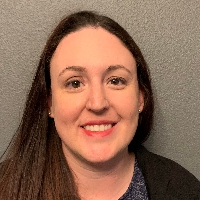
Jennifer Kem, LICSW, LCSW
Licensed in Nevada · 10 years in practice
Jennifer Kem is a licensed clinical social worker in Nevada who helps people manage grief, anxiety, depression, stress, and relationship or family concerns.
License and registration
- LCSW, Nevada
- 7139-C · expires June 2026
- LCSW, Virginia
- 0904014723 · expires June 2027
- LICSW, District of Columbia
- LC200002500 · expires June 2028
- NPI
- 1871833806 · national provider identifier
- Years in practice
- 10
- Languages
- English
Details are as listed on the therapist's public professional profile. You can check any license with the state board and any NPI with the national registry.
About Jennifer
Jennifer Kem is a licensed clinical social worker in Nevada who helps people manage grief, anxiety, depression, stress, and relationship or family concerns. She also supports people dealing with parenting strain, anger, self-esteem struggles, career stress, compassion fatigue, and the challenges of life changes. Jennifer brings ten years of experience to her practice and uses straightforward, practical methods in sessions.
She focuses on clear, collaborative work rather than jargon. Sessions typically involve talking through current problems, learning coping skills, and practicing new ways to respond to hard situations.
Background and approach
Clients can expect a calm, respectful space and a pace that fits their needs. Jennifer draws on a mix of evidence-based approaches such as Acceptance and Commitment Therapy, Cognitive Behavioral Therapy, and mindfulness practices. She also uses client-centered and Dialectical Behavior Therapy techniques when helpful.
These methods are chosen to address symptoms and build everyday routines that feel manageable. Her background includes a decade of clinical experience and licensure as a DC LICSW and VA LCSW, noted simply as LICSW and LCSW. That experience informs work with issues like caregiver stress, chronic illness and pain, adoption and foster care concerns, and workplace difficulties.
Sessions are offered in English and are delivered online by video, phone, live chat, or text-based messaging. Jennifer frames therapy as a partnership focused on realistic steps and personal goals.
Focus areas and approaches
Everything Jennifer lists on their public professional profile, in their own terms.
- Grief
- Stress, Anxiety
- Relationship issues
- Family conflicts
- Parenting issues
- Anger management
- Self esteem
- Career difficulties
- Depression
- Coping with life changes
- Coaching
- Compassion fatigue
- ADHD
- Adoption and foster care
- Aging and geriatric issues
- Caregiver issues and stress
- Chronic pain, illness, and disability
- Communication problems
- Emptiness
- Family problems
- Guilt and shame
- Isolation / loneliness
- Life purpose
- Self-love
- Women's issues
- Workplace issues
- Young adult issues
Approaches Jennifer names
- Acceptance and Commitment Therapy (ACT)
- Client-Centered Therapy
- Cognitive Behavioral Therapy (CBT)
- Dialectical Behavior Therapy (DBT)
- Mindfulness Therapy
Naming an approach is not evidence of training in it. This directory copies what each therapist lists and does not check training records.
Online support
Therapeutic approaches for online care
Acceptance and Commitment Therapy (ACT) focuses on helping people notice thoughts and feelings without getting stuck in them, then choose actions that match their values. It can be useful for anxiety, depression, and making meaning during life changes. Cognitive Behavioral Therapy (CBT) looks at how thoughts, feelings, and actions interact and teaches concrete skills to change unhelpful patterns. That approach often helps with worry, low mood, and stress by building specific coping strategies.Choosing the right approach is a shared process. The therapist will work with each person to match methods to goals and preferences, adjusting over time as needs change. Sessions aim to be practical and focused on things people can try between meetings to see what helps.
Online sessions are offered by video calls, phone, live chat, or text-based messaging to provide flexibility. Video is useful for longer therapy work and visually reading nonverbal cues. Phone sessions can be a good fit when bandwidth is limited or a quieter audio check-in is needed. Live chat and text messaging allow brief check-ins and ongoing coaching-style support without needing to schedule a full video visit.
We will earn a commission if you sign up through our link, at no cost to you. It does not change what you pay or the order of the listings.
Questions people ask
What kinds of concerns does this practice help with?
Common focuses include grief, anxiety, depression, stress, relationship and family issues, parenting strain, anger, self-esteem, career and life changes, and compassion fatigue.
How would you describe the therapy style here?
The approach is practical and collaborative. Sessions mix talking, skill practice, and small steps clients can use between meetings.
What is the therapist's clinical background?
The therapist has ten years of clinical experience working with a range of emotional and life concerns and emphasizes steady, supportive guidance.
What credentials and location apply to this clinician?
The clinician holds LICSW and LCSW credentials and practices while licensed for work connected to Nevada.
Which languages are supported and are international sessions available?
Sessions are offered in English. International clients are not currently accepted.
In what formats are sessions delivered?
Therapy is available by video calls, phone sessions, live chat, or text-based messaging depending on what fits the client best.
How does cost and billing work for sessions?
Cost varies with location and therapist availability. Sessions use a subscription model that can be canceled at any time.
What steps do I take to begin working together?
Start by selecting the Start Therapy button, complete the short matching questionnaire, and then schedule sessions according to the therapist's availability.
More therapists in Nevada
See allDonna Rippelmeyer
LCSW
Compassionate support for stress and sexual concerns
- Stress, Anxiety
- LGBT
- Trauma and abuse
Allysia Steward
LCSW
Calm, practical support for everyday mental health
- Stress, Anxiety
- Grief
- Self esteem

Sarah Newmeyer
LCSW
Practical, skills-focused therapy for life challenges
- Stress, Anxiety
- Addictions
- Relationship

Is this your profile?
Ask us to correct details or take the page down.
Contact us