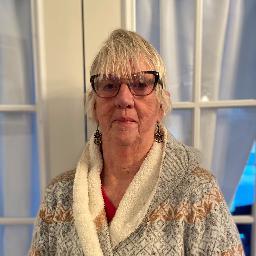
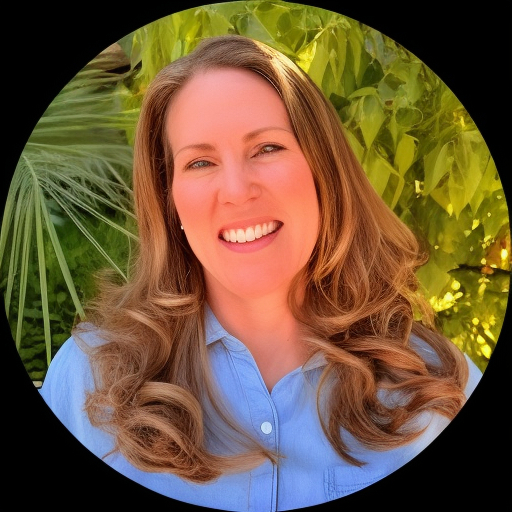
Donna Rippelmeyer
LCSW
Compassionate support for stress and sexual concerns
- Stress, Anxiety
- LGBT
- Trauma and abuse
Clinical social work directory
71 Licensed Clinical Social Workers in this directory hold a license issued in Nevada. Sessions are online; a therapist can usually only see people in the states where they hold a license, so check the license panel on each profile.
Welcome to the Nevada directory of licensed clinical social workers (LCSWs) offering online therapy options. All therapists listed here hold a current license to practice clinically in the United States. Browse profiles to learn about each clinician's focus areas, languages, and professional background.
LCSW
Compassionate support for stress and sexual concerns
LCSW
Calm, practical support for everyday mental health
LCSW
Practical, skills-focused therapy for life challenges
LCSW
Grounded relational therapy for life changes
LCSW
Compassionate, practical support for everyday struggles
LCSW
Compassionate practical support for stress and identity concerns
LCSW
Practical, down-to-earth support for life stressors
LCSW
Compassionate, practical support for trauma and grief
LCSW, LISW
Experienced LCSW focusing on practical growth
LCSW
Calm, practical support for everyday struggle
LCSW
Restorative, strengths-based guidance for change
LCSW
Practical therapy for relationships and trauma recovery
LCSW
Practical, evidence-informed support for mood and life change
LCSW
Calm, practical support for emotional healing
LCSW
Calm, practical support for life’s hard moments
LCSW
Practical, steady therapy for stress and relationships
LCSW
Compassionate, practical therapy for life changes
LCSW
Compassionate practical help for stress and mood
LCSW
Calm, practical support for everyday struggles
LCSW
Compassionate, practical support for anxiety and trauma
LCSW
Compassionate therapist focused on practical tools
LCSW
Practical, compassionate support for life changes
LCSW
Practical, experienced guidance for life stressors
LCSW
Compassionate, practical therapy for daily life
LCSW
Everyday support for clearer thinking
LCSW
Practical, compassionate therapy for life changes
LCSW
Calm, practical support for emotional overwhelm
LICSW, LCSW
Practical therapy for stress and relationships
LCSW
Compassionate practical support for everyday struggles
LCSW
Compassionate, practical therapy for everyday challenges
LCSW
Experienced Nevada LCSW focused on practical support
LCSW
Compassionate social work for everyday challenges
LCSW
Compassionate skills-based therapy for life challenges
LCSW
Compassionate, practical therapy for stress and change
LICSW, LCSW
Compassionate, practical support for life transitions
Some links on this page are partner links. We will earn a commission if you sign up through one, at no cost to you. It does not change what you pay or the order of the listings.
In Nevada, online therapy with a licensed clinical social worker has become a well-established option for people seeking professional support without traveling to an office. LCSWs are licensed by state boards after completing graduate-level social work education, a period of supervised clinical experience, and a clinical licensing exam. Many Nevada LCSWs include online sessions as part of their practices to reach people across cities and rural communities. Regulations surrounding where a therapist can practice are set by the state licensing board, and Nevada-licensed clinicians are authorized to provide clinical services to clients who are located in Nevada during the session. Because LCSWs bring social work training that considers your broader environment - housing, work, family, finances, and community - online sessions can allow you to address practical life conditions alongside your emotional and psychological concerns.
Online sessions are delivered through video, phone, or text-based messaging platforms chosen by each clinician. While the technical details vary, the professional credential that underlies the listing is the LCSW. That credential signals a particular scope of practice and a training perspective rooted in a person-in-environment approach rather than a specific therapeutic technique. When exploring listings, you will find information about languages spoken, areas of focus, years of experience, and the kinds of issues a clinician commonly addresses. This helps you match your needs with therapists who describe relevant experience and priorities.
Online therapy can reduce practical barriers that often make in-person appointments difficult. For people living in Nevada's more remote counties or for those navigating long commutes in urban areas, meeting with an LCSW online can save travel time and make consistent scheduling easier. You can attend a session from a workplace break room, a parked car between errands, or your home, provided you have a place where you can speak without interruptions. The flexibility of online sessions also supports people with caregiving responsibilities or irregular work hours.
Another benefit is continuity of care. If you move within Nevada for work or family reasons, continuing with the same LCSW online can maintain therapeutic progress without a disruptive search for a new clinician. Online sessions also expand the pool of available clinicians who might share your language, cultural background, or areas of clinical focus. Because social work emphasizes the interaction between personal experience and surrounding systems, many Nevada LCSWs use online appointments to help you address both practical and emotional concerns. That makes remote sessions particularly useful when you want help navigating benefits, housing, employment issues, or family dynamics alongside symptom relief.
Licensed clinical social workers in Nevada address a wide range of concerns during online sessions. You will find LCSWs who work with mood and anxiety concerns, trauma-related distress, relationship difficulties, grief, adjustment to life transitions, and parenting challenges. Because social work education focuses on a person-in-environment perspective, many LCSWs pay attention to how social and economic factors contribute to the difficulties you describe. That means an online session with an LCSW may explore not only how you feel but also how your housing situation, workplace conditions, social supports, and access to community resources are shaping your experience.
Clinicians often list therapeutic approaches they use in practice, and you may encounter descriptions such as cognitive-behavioral, psychodynamic, strengths-based, trauma-informed care, or therapists who list EMDR among their approaches. A listing of an approach indicates areas the clinician may draw on in sessions, but it does not serve as a certification statement. Many Nevada LCSWs also describe specialty populations they work with, such as adolescents, veterans, older adults, or families. If you have concerns that intersect with legal, housing, or benefits systems, an LCSW's training in systems-level thinking can help you create actionable plans alongside emotional support.
Verifying a clinician's LCSW license is a practical step if you want to confirm state licensure status. Nevada's licensing board maintains a public online registry where you can search by name to confirm that an LCSW holds an active license in the state. The registry typically shows the license number, status, issuance and expiration dates, and any public disciplinary actions. You should use the exact name listed on a clinician's profile when searching to reduce ambiguity. If a clinician lists multiple credentials, focus your verification on the LCSW license issued in Nevada to ensure it matches the credential shown on the directory profile.
Keep in mind that licensure is a formal credential indicating completion of required education, supervised clinical experience, and a passing score on a licensing exam. It does not measure fit, personal style, or the range of clinical approaches a therapist uses. If you have questions about a clinician's background, languages spoken, or areas of experience, use profile information and clinician statements to assess whether their practice aligns with your needs. For specific regulatory questions - for example, about interstate practice rules or license portability - consult the Nevada licensing board directly for the most up-to-date guidance.
Starting online therapy with an LCSW typically begins with gathering information about what matters to you in a clinician. Consider the issues you want help with, whether you prefer a clinician who shares a particular cultural or language background, and whether you need someone experienced with specific systems such as schools, corrections, or veterans services. When you find a few LCSWs whose profiles match your priorities, look for details about their approach descriptions, noted populations served, and any professional statements that indicate how they work with clients. Many clinicians describe what a typical first session covers and what they expect from the early phase of work together. Use that information to form a short list of clinicians you would like to learn more about.
When evaluating potential LCSWs, think about practical and relational factors together. Practical considerations include languages offered, years of clinical experience, areas of focus, and whether the clinician lists experience relevant to your concerns. Relational factors are about how you feel communicating with someone during an initial exchange. A brief introductory call or message can help you assess whether the clinician's style feels like a potential fit. Pay attention to whether the clinician listens to your goals and asks questions that reflect curiosity about your unique situation. It is appropriate to ask about how they integrate a person-in-environment perspective into sessions if understanding social and systemic factors is important to you.
Also consider technical and safety details for online sessions. Confirm what communication formats the clinician uses - video, phone, or messaging - and whether their platform supports personal conversations where you can speak without interruption. Ask about emergency procedures and how the clinician manages care if you require support outside scheduled sessions. While licensure verification confirms a clinician is authorized to practice, the match between your needs and a clinician's experience and interpersonal style will shape the effectiveness of your work together. Taking time to review profiles, read clinician statements, and ask focused questions will help you identify an LCSW whose practice aligns with your priorities in Nevada.