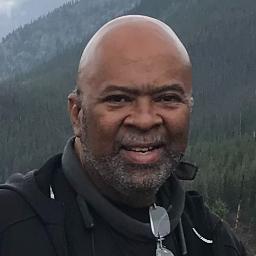
Floyd Smith, LCSW
Licensed in Missouri · 39 years in practice
Floyd Smith is a licensed clinical social worker with 39 years of experience helping people through hard emotional times.
License and registration
- LCSW, Missouri
- 004101 · expires September 2027
- NPI
- 1275621336 · national provider identifier
- Years in practice
- 39
- Languages
- English
Details are as listed on the therapist's public professional profile. You can check any license with the state board and any NPI with the national registry.
About Floyd
Floyd Smith is a licensed clinical social worker with 39 years of experience helping people through hard emotional times. He focuses on practical steps that make daily life feel more manageable. Floyd often works with people facing trauma, grief, mood concerns, and relationship or intimacy-related issues.
He uses a straightforward, empathetic style in sessions. Conversations focus on what feels most pressing and on small changes that add up. Floyd listens for how past hurts affect current choices and helps people find clearer ways to cope and communicate.
Background and approach
Clients who come to him for anxiety, depression, bipolar concerns, or ADHD can expect a combination of talking and hands-on strategies. He also supports people dealing with shame, guilt, isolation, jealousy, and forgiveness work. Cultural background and identity are part of the conversation when they matter to the person.
Floyd draws on client-centered methods and cognitive behavioral ideas to help people spot unhelpful patterns and try different responses. For those recovering from sexual assault, abuse, or other traumatic events, Trauma-Focused Therapy guides pacing and safety in the work. He frames progress as steady and practical rather than sudden.
He practices in Missouri and holds the credential LCSW, which is listed for his professional role. Sessions are offered in English and tailored to the goals each person brings. Floyd aims to make therapy a useful, down-to-earth resource for navigating life changes and emotional pain.
Focus areas and approaches
Everything Floyd lists on their public professional profile, in their own terms.
- Trauma and abuse
- Grief
- Anger management
- Self esteem
- Stress, Anxiety
- LGBT
- Relationship issues
- Intimacy-related issues
- Bipolar disorder
- Depression
- Coping with life changes
- Compassion fatigue
- ADHD
- Communication problems
- Forgiveness
- Guilt and shame
- Isolation / loneliness
- Jealousy
- Mood disorders
- Multicultural concerns
- Personality disorders
- Post-traumatic stress
- Sexual assault and abuse
- Young adult issues
Approaches Floyd names
Naming an approach is not evidence of training in it. This directory copies what each therapist lists and does not check training records.
Online support
Approaches and online care that fit your life
Client-Centered Therapy focuses on listening and meeting people where they are, helping them clarify what they want to change and how they want to grow. It’s useful for building self-esteem and working through relationship and identity concerns.Cognitive Behavioral Therapy, or CBT, looks at patterns of thought and behavior that keep problems going and offers concrete strategies to shift them. It can help with anxiety, depression, mood swings, and coping with life changes.
Trauma-Focused Therapy is structured to address traumatic memories and symptoms at a pace the person can manage. This approach supports people recovering from sexual assault, abuse, or other traumatic events while paying attention to emotional safety.
Choosing an approach is a collaborative process. The therapist will talk with each person about their goals, preferences, and what feels achievable, then try methods that suit those needs. Adjustments happen along the way based on what helps most.
Online therapy offers flexible ways to connect. Video calls let people use visual cues for a fuller conversation. Phone sessions require less bandwidth and can fit a work break or a quick check-in. Live chat and text-based messaging make it easy to share short updates, ask questions between sessions, or pace communication in writing. These options help make therapy work around busy lives and different comfort levels.
We will earn a commission if you sign up through our link, at no cost to you. It does not change what you pay or the order of the listings.
Questions people ask
What concerns does Floyd commonly address?
He works with trauma and abuse, grief, anger, low self-esteem, stress, anxiety, mood disorders including bipolar and depression, ADHD, and intimacy-related issues. Other focuses include communication problems, guilt and shame, isolation and loneliness, and sexual assault recovery.
What is his general therapy style?
Sessions are client-centered and practical, with an emphasis on listening and building useful coping strategies. He blends talking with exercises to change unhelpful thoughts and behaviors.
How much experience does he bring?
He has 39 years of clinical experience working with a wide range of emotional and trauma-related concerns.
What credentials and location are listed?
He holds an LCSW and practices in Missouri. The credential is shown as part of his professional listing.
Which languages are supported and can international clients connect?
Sessions are offered in English, and he is not accepting international clients at this time.
What session formats are available?
He meets using video calls, phone sessions, live chat, and text-based messaging to fit different needs and schedules.
How are costs handled for sessions?
Costs vary by location and therapist availability; sessions are provided through a subscription model that can be canceled at any time.
How do I begin working with him?
Start by selecting the Start Therapy button, complete a short matching questionnaire, and then schedule sessions based on therapist availability.
More therapists in Missouri
See all
Barbara Fotsch
LCSW
Practical, down-to-earth therapy for real life
- Stress, Anxiety
- Addictions
- Parenting


Teresa Nichols
LCSW
Positive, practical support for lasting change
- Stress, Anxiety
- Addictions
- Relationship

Is this your profile?
Ask us to correct details or take the page down.
Contact us