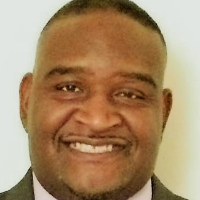
David Robertson, LCSW, CSW
Licensed in Georgia · 10 years in practice
David Robertson helps people who are feeling overwhelmed by stress, anxiety, depression, grief, anger, relationship and intimacy issues, and problems with self-esteem.
License and registration
- LCSW, Georgia
- CSW006757 · expires September 2026
- NPI
- 1326501776 · national provider identifier
- Years in practice
- 10
- Languages
- English
Details are as listed on the therapist's public professional profile. You can check any license with the state board and any NPI with the national registry.
About David
David Robertson helps people who are feeling overwhelmed by stress, anxiety, depression, grief, anger, relationship and intimacy issues, and problems with self-esteem. He also supports people facing addictions, trauma and abuse, major life changes, career stress, and compassion fatigue. David brings a straightforward, respectful approach that focuses on what the person needs in the moment.
He is David Robertson, a Licensed Clinical Social Worker (LCSW) with a background in social work and ten years of experience in mental health.
Background and approach
He keeps sessions practical and person-focused. Conversations aim to untangle what feels most urgent, then build steps to make things more manageable. He uses clear tools from cognitive behavioral therapy to spot unhelpful thinking and to change patterns that cause pain.
Mindfulness techniques are added when slowing down, noticing feelings, and staying present will help. Motivational interviewing is used to support people who are ambivalent about change or facing addiction and behavior shifts. The therapist-centered language is plain and direct, and the client sets the pace.
David has worked across a variety of settings and brings ten years of practice to each session. He lived in New York originally and now practices in Georgia. He holds a Master of Social Work and uses his clinical background to help people find clear next steps.
Sessions are collaborative and goal-oriented. People who want practical strategies, gentle accountability, and a calm, respectful conversation about difficult topics may find his style helpful.
Focus areas and approaches
Everything David lists on their public professional profile, in their own terms.
- Stress, Anxiety
- Grief
- Anger management
- Self esteem
- Depression
- Addictions
- Relationship issues
- Family conflicts
- Trauma and abuse
- Intimacy-related issues
- Career difficulties
- Coping with life changes
- Compassion fatigue
- ADHD
- Aging and geriatric issues
- Blended family issues
- Cancer
- Caregiver issues and stress
- Commitment issues
- Communication problems
- Control issues
- Coping with natural or human-caused disaster
- Emptiness
- Fatherhood issues
- Forgiveness
- Guilt and shame
- Hospice and end-of-life counseling
- Veteran and Armed Forces Issues
- Money and financial issues
- Multicultural concerns
Approaches David names
- Client-Centered Therapy
- Cognitive Behavioral Therapy (CBT)
- Mindfulness Therapy
- Motivational Interviewing
Naming an approach is not evidence of training in it. This directory copies what each therapist lists and does not check training records.
Online support
Therapy approaches and online care that fit your life
David commonly uses client-centered therapy and cognitive behavioral therapy. Client-centered therapy focuses on listening closely and following the person’s lead, which helps when someone needs acceptance and space to sort feelings. Cognitive behavioral therapy looks at thinking and behavior patterns and teaches practical exercises to reduce anxiety, depression, and unhelpful reactions.He also brings mindfulness practices into sessions when noticing the body and breath can reduce reactivity and create calm. These approaches are chosen to help with stress, addiction challenges, relationship problems, grief, and coping with life changes. Finding the right mix is part of the work and will be decided together. The therapist will collaborate with each person to match methods to their goals, needs, and preferences so sessions feel useful and doable.
Online therapy offers flexible ways to connect. Video calls allow for a face-to-face conversation when a fuller interaction is preferred. Phone sessions can be easier when bandwidth is limited or a camera is not wanted. Live chat and text-based messaging work well for brief check-ins, tight schedules, or when someone wants to reflect in writing. These options make it easier to fit therapy into a busy life and keep progress moving between sessions.
We will earn a commission if you sign up through our link, at no cost to you. It does not change what you pay or the order of the listings.
Questions people ask
What kinds of concerns does he address?
He supports people facing stress, anxiety, depression, grief, anger, addiction, relationship and intimacy issues, trauma, and related life changes.
How would you describe his therapeutic style?
His style is warm, person-centered, and practical. He aims to meet people where they are and move at a pace that feels manageable.
What background and experience does he bring?
He has ten years of experience in mental health and holds a Master of Social Work. He has worked in varied settings with diverse client needs.
Where is he based and what credential does he hold?
He practices in Georgia and holds the credential LCSW as well as CSW.
Which languages are supported for sessions?
Sessions are offered in English.
What session formats are available?
Sessions can be conducted via video calls, phone sessions, live chat, or text-based messaging.
How are fees and payments handled?
Cost varies with location and therapist availability; sessions use a subscription model that can be canceled at any time.
How do I begin working with him?
Start by selecting the Start Therapy button, complete the short matching questionnaire, and schedule sessions according to therapist availability.
More therapists in Georgia
See allDr. Kerene Brown
LICSW, LCSW, CSW
Practical, compassionate support for life transitions
- Stress, Anxiety
- Trauma and abuse
- Self esteem
Remmawii (Karuna) Kristjanson
LCSW, CSW
Compassionate support for trauma and addiction recovery
- Addictions
- Relationship
- Trauma and abuse
Lawanna Barron
LCSW, CSW
Experienced Georgia LCSW focused on practical support
- Stress, Anxiety
- Career
- Depression
Mary Smith Tyler
LCSW, CSW
Compassionate social worker focusing on relationships
- Relationship
- Family
- Parenting
Is this your profile?
Ask us to correct details or take the page down.
Contact us