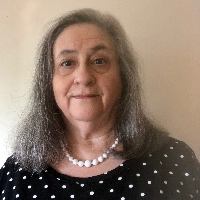
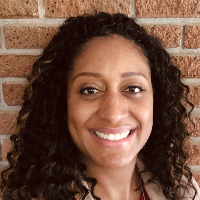
Daphne Holmes
LCSW
Trusted Mississippi LCSW for life transitions
- Stress, Anxiety
- Relationship
- Trauma and abuse
Clinical social work directory
86 Licensed Clinical Social Workers in this directory hold a license issued in Mississippi. Sessions are online; a therapist can usually only see people in the states where they hold a license, so check the license panel on each profile.
Welcome to our directory of online therapists serving Mississippi. All listed clinicians hold an LCSW license issued by the state and are included here based on that credential.
Explore the profiles below to find therapists who match the population, language, and focus areas you want to work with.
LCSW
Trusted Mississippi LCSW for life transitions
Experienced social worker and clinician
LICSW, LCSW
Practical support for young adults' emotional growth
LCSW
Practical support for stress and relationships
LCSW
Compassionate, practical support for life challenges
LICSW, LCSW
Compassionate, practical support for adults
LCSW
Compassionate, practical therapy for life’s challenges
LCSW
Compassionate, direct support for real-life struggles
LCSW
Practical, person-centered care for everyday struggles
LCSW
Trauma-informed therapist helping people find steady ground
LCSW
Compassionate, practical support for everyday struggles
LCSW
Compassionate support for stress and trauma recovery
LCSW
Compassionate, practical care for life’s hard moments
LCSW
Practical, compassionate support for life changes
LICSW, LCSW
Practical support for stress and life changes
LCSW
Helping people handle stress and life changes
LCSW
Practical support for stress, addiction, and relationships
LCSW
Compassionate, practical support for life’s challenges
LCSW
Compassionate, practical support for life’s challenges
LCSW
Calm, practical therapy for life and relationships
LCSW
Compassionate, practical therapy for life challenges
LCSW
Practical, warm therapy for life’s challenges
LCSW
Compassionate practical support for stress and trauma
LCSW, LISW
Care-focused therapist and life coach
LCSW
Calm, practical support for stress and life change
LCSW
Practical support for stress and life transitions
LCSW
Calm practical support for life’s hard moments
LCSW
Compassionate, practical support for everyday struggles
LCSW
Compassionate support for practical life changes
LCSW
Compassionate, practical care for stress and trauma
LCSW
Supportive Mississippi LCSW focused on practical change
LCSW
Helping people make lasting, practical changes
LCSW
Compassionate, practical therapy for real-life struggles
LCSW
Compassionate social worker for family and trauma concerns
Some links on this page are partner links. We will earn a commission if you sign up through one, at no cost to you. It does not change what you pay or the order of the listings.
When you look through this directory you are seeing licensed clinical social workers who offer online sessions to people in Mississippi. An LCSW is a professional license that follows a master's degree in social work, a state-set period of supervised post-graduate clinical experience, and passage of a clinical licensing exam. The license is issued and renewed by the state licensing board, and the clinicians listed here identify that credential on their profiles. Social work training places emphasis on the person-in-environment perspective, which means that an LCSW considers your life circumstances - such as housing, work, family, finances, and community supports - alongside your inner experience. That perspective can matter when you want help that accounts for both feelings and the practical context affecting them.
Online therapy with an LCSW in Mississippi typically uses video sessions, phone sessions, or text-based messaging, depending on the clinician's practice. You will find practitioners who describe their focus areas, the populations they work with, and the languages they speak. Because state licensing governs practice, online services are provided in compliance with Mississippi regulations that apply to licensed clinical social workers. As you explore profiles, you can see which clinicians emphasize work with certain life stages, family systems, trauma, grief, or other concerns.
Online therapy makes it easier to connect with an LCSW across geographic distances in Mississippi. If you live in a rural area, are balancing work and family responsibilities, or have mobility constraints, video sessions reduce travel time and let you meet from home or another safe setting. This can make it simpler to maintain a consistent appointment rhythm and to fit sessions into a busy schedule.
For many people the continuity of seeing the same therapist over time helps build a productive working relationship. Online sessions can support that continuity if you move within the state or need to reduce in-person appointments for a period. You may also find therapists who list experience working with specific populations - for example adolescents, parents, older adults, or couples - which helps you find clinicians whose background aligns with your needs. Keep in mind that listed approaches are those therapists report using; profiles do not certify training or competence in a particular method.
Online licensed clinical social workers in Mississippi frequently work with people facing stress, anxiety, depression, relationship struggles, caregiving pressures, bereavement, and big life transitions like separation, job change, or becoming a parent. Because social work emphasizes the person-in-environment perspective, LCSWs often explore how your living circumstances, work demands, and support networks interact with emotional needs. That approach can be especially useful when problems are tied to housing challenges, financial strain, or community factors.
Many LCSWs list trauma, grief, and family dynamics among their focus areas. They may also work with behavioral health concerns where a broader view of your environment matters - for example when family roles, school, or work settings contribute to stress. On therapist profiles you will encounter clinicians who list specific populations and concerns they commonly address, which helps you identify therapists whose experience aligns with your situation. Remember that listing an approach on a profile indicates what the clinician reports using rather than a formal certification or guarantee of outcomes.
To confirm that a clinician holds an active LCSW license in Mississippi, start with the state's licensing board for social work. The board maintains a license lookup or verification tool where you can enter a clinician's name or license number. That lookup typically shows license type, current status, issuance and expiration dates, and whether any disciplinary actions are recorded. Using the state board's official resources gives you the most reliable, up-to-date information about licensure.
When you view a licensing record, look for the license type listed as LCSW, the issue and renewal dates, and any notes about restrictions or disciplinary history. If a profile lists a license number, you can use that number in the state's verification tool to find the exact record. If you have questions about the board's information or need further confirmation, you can contact the licensing board directly by phone or email. Verifying licensure helps you confirm that the professional credential shown on a profile is current and recognized by the state.
Before you reach out to a therapist, think about the goals you want to address - whether you want short-term support for a specific issue or help navigating longer-term patterns. Consider practical details such as language preferences, whether you want someone who works with adolescents, couples, or families, and what kinds of life experience you want the clinician to have. You should also plan a comfortable setup for sessions, such as a quiet room or a quiet space free from interruptions, and check that your device, camera, and internet connection support video calls. Many therapists use platforms that follow HIPAA standards and use encryption for communications; you can ask about the technology they use and what to expect during a first session.
Choosing a therapist is often about fit. As you read profiles, pay attention to the issues clinicians highlight, the populations they mention, and any languages they speak. Look for therapists who list areas that match your needs and who describe a practice style that feels compatible with you. When you contact someone, you can ask about session length, typical goals they work on with similar clients, their experience with particular life-stage concerns, and how they structure online sessions. Many people find it helpful to write down a few questions before an initial conversation so you can compare how comfortable you feel with a clinician's responses and approach.
Consider payment and insurance policies as part of your selection process. Profiles often indicate whether a therapist mentions particular insurance networks or payment arrangements, but you will want to discuss fee structure, cancellation policy, and session length directly with the clinician. If language or cultural understanding is important to you, prioritize therapists who list the languages they speak or mention cultural competence work in their bios. Finally, trust your judgment about how the communication feels and whether the clinician listens to your concerns and explains things clearly. Building a working relationship takes time, but starting from profiles that match your needs helps you begin with therapists who are more likely to be a good fit.