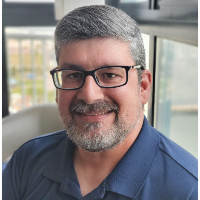
John Daughtrey, MD, LCSW-C, LCSW
Licensed in Virginia · 6 years in practice
John Daughtrey is a licensed clinical social worker who blends talk-based and somatic methods to help people manage stress, anxiety, trauma, and life transitions.
License and registration
- LCSW, Virginia
- 0904013432 · expires June 2027
- LCSW-C, Maryland
- 32983 · expires October 2027
- NPI
- 1821561655 · national provider identifier
- Years in practice
- 6
- Languages
- English
Details are as listed on the therapist's public professional profile. You can check any license with the state board and any NPI with the national registry.
About John
John Daughtrey is a licensed clinical social worker who blends talk-based and somatic methods to help people manage stress, anxiety, trauma, and life transitions. He holds an MD and practices as an LCSW-C and LCSW in Maryland, bringing six years of LCSW-focused clinical experience to his work.
He uses eye movement desensitization and reprocessing along with mindfulness and acceptance-based ideas to address stuck memories and overwhelming emotions. Sessions focus on practical steps people can use between meetings.
Background and approach
The pace is set to match each person’s needs and comfort level. Many people come to him for help with depression, grief, anger, relationship and intimacy concerns, parenting strain, workplace stress, or questions around identity and LGBT issues. He also helps with attention-related challenges, social anxiety, and feelings of isolation.
His approach includes attention to attachment patterns and communication problems. In sessions, he combines body-based techniques with reflective conversation. That can mean tracking physical reactions, using guided attention exercises, and talking through how past events still affect daily life.
The work aims to reduce the daily intensity of symptoms and build skills for handling future stressors. John encourages a collaborative process. He listens for what matters most, helps set clear goals, and teaches tools people can use at home.
People who prefer flexible contact options can choose video, phone, chat, or text messaging for ongoing care.
Focus areas and approaches
Everything John lists on their public professional profile, in their own terms.
- Stress, Anxiety
- Trauma and abuse
- Anger management
- Self esteem
- Depression
- LGBT
- Relationship issues
- Family conflicts
- Grief
- Intimacy-related issues
- Parenting issues
- Career difficulties
- Coping with life changes
- ADHD
- Attachment issues
- Autism and Asperger Syndrome
- Communication problems
- Control issues
- Guilt and shame
- Impulsivity
- Isolation / loneliness
- Life purpose
- Post-traumatic stress
- Self-love
- Social anxiety and phobia
- Workplace issues
- Young adult issues
Approaches John names
- Acceptance and Commitment Therapy (ACT)
- Attachment-Based Therapy
- Client-Centered Therapy
- Eye Movement Desensitization and Reprocessing (EMDR)
- Mindfulness Therapy
- Trauma-Focused Therapy
Naming an approach is not evidence of training in it. This directory copies what each therapist lists and does not check training records.
Online support
Online therapy with EMDR, ACT, and attachment-focused work
Many of his sessions draw on eye movement desensitization and reprocessing to help people process distressing memories and reduce the intensity of past hurts. EMDR uses guided bilateral stimulation alongside discussion to allow the brain to reprocess stuck material, which people often use for trauma, painful memories, and post-traumatic stress concerns.He also uses Acceptance and Commitment Therapy, which focuses on clarifying values and taking action even when uncomfortable thoughts or feelings are present. ACT is often helpful for anxiety, depression, and life transitions where getting unstuck matters more than eliminating every difficult feeling. Attachment-based work looks at early relationship patterns and how they shape current connections and communication, which can help with intimacy, trust, and recurring relationship problems.
Finding the right approach is part of the work. The therapist will collaborate with each person to choose methods that match their goals, preferences, and comfort level. Sessions may include practice exercises, homework, or paced exposure when appropriate.
Online formats available include video calls, phone sessions, live chat, and text-based messaging. Video sessions allow more interactive exercises and real-time feedback, phone can be used when bandwidth is limited, chat is useful for short check-ins, and text messaging supports ongoing coaching-style contact. These options make it easier to fit therapy into busy schedules and to continue work between appointments.
We will earn a commission if you sign up through our link, at no cost to you. It does not change what you pay or the order of the listings.
Questions people ask
What concerns does John commonly address?
He works with stress, anxiety, trauma and abuse, depression, anger, self-esteem, grief, relationship and intimacy concerns, parenting strain, career stress, ADHD, and related issues.
What is his general therapy style?
He uses a blend of conversation and body-focused techniques with a practical focus. Sessions emphasize skills people can try between meetings.
What is his clinical background and experience?
He has six years of experience working as an LCSW-focused practitioner and holds an MD alongside LCSW-C and LCSW credentials.
Where is he licensed to practice?
He practices in Maryland and lists MD, LCSW-C, and LCSW among his credentials.
Which languages are used in sessions?
Sessions are offered in English.
What session formats are available?
He offers video calls, phone sessions, live chat, and text-based messaging to fit different schedules and needs.
How does payment work and what does it cost?
Cost varies by location and therapist availability; sessions use a subscription that can be canceled at any time.
How do I begin working with him?
Start by selecting the Start Therapy button, complete a short matching questionnaire, and then schedule according to the therapist's availability.
More therapists in Maryland
See allEmily Dove
MD, LCSW-C, LCSW
Compassionate, practical help for everyday struggles
- Stress, Anxiety
- Relationship
- Family

Melvyn Heyes
MD, LCSW-C, LCSW
Practical, goal-focused help for persistent stress
- Stress, Anxiety
- Relationship
- Trauma and abuse
Dr. Jerome Anderson
LCSW, LICSW
Focused practical therapy for stress and life changes
- Stress, Anxiety
- Relationship
- Career
Stephen Chop
MD, LCSW-C, LCSW
Compassionate, practical therapy for adult challenges
- Stress, Anxiety
- Anger
- Self esteem
Is this your profile?
Ask us to correct details or take the page down.
Contact us