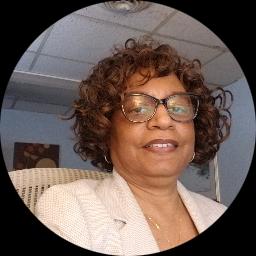
Aquita Burrus, LCSW
Licensed in North Carolina · 8 years in practice
Aquita Burrus uses practical, relationship-focused therapy to help people manage stress, anxiety, trauma, grief, and depression.
License and registration
- LCSW, North Carolina
- C011824 · expires October 2026
- NPI
- 1730562505 · national provider identifier
- Years in practice
- 8
- Languages
- English
Details are as listed on the therapist's public professional profile. You can check any license with the state board and any NPI with the national registry.
About Aquita
Aquita Burrus uses practical, relationship-focused therapy to help people manage stress, anxiety, trauma, grief, and depression. She is a licensed clinical social worker in North Carolina with eight years of professional experience. Her approach pays attention to each person's body, mind, spirit, and close relationships.
She aims to meet people where they are and tailor support to their needs. Burrus draws on psychotherapy and spirituality in sessions to help people find courage and creative ways to cope.
Background and approach
She listens for strengths that can be used in daily life and helps build skills for managing intense emotions and painful memories. Sessions are collaborative and paced to the person's comfort. She often works with people facing caregiver strain, communication problems, guilt, and difficulties around forgiveness and self-worth.
She also supports those dealing with life purpose questions, mood disorders, panic, and post-traumatic stress. Treatment focuses on practical tools and clearer choices rather than labels. In sessions she may use strategies from cognitive behavioral therapy to change unhelpful thinking and behavior.
Mindfulness practices and emotion-regulation skills are also offered to reduce reactivity and increase calm. When trauma is a central issue, she may incorporate approaches that address traumatic memories. Therapy with Burrus is adaptable to each person’s pace and goals.
She is respectful of varied beliefs and won’t impose her own views. The aim is steady progress through real, usable skills and focused conversations so people can better manage everyday life and recover from painful experiences.
Focus areas and approaches
Everything Aquita lists on their public professional profile, in their own terms.
- Stress, Anxiety
- Trauma and abuse
- Grief
- Depression
- Coping with life changes
- Caregiver issues and stress
- Communication problems
- Forgiveness
- Guilt and shame
- Life purpose
- Mood disorders
- Panic disorder and panic attacks
- Post-traumatic stress
- Self-love
Approaches Aquita names
- Cognitive Behavioral Therapy (CBT)
- Dialectical Behavior Therapy (DBT)
- Eye Movement Desensitization and Reprocessing (EMDR)
- Gottman Method
- Mindfulness Therapy
- Motivational Interviewing
- Psychodynamic Therapy
- Solution-Focused Therapy
- Somatic Therapy
- Trauma-Focused Therapy
Naming an approach is not evidence of training in it. This directory copies what each therapist lists and does not check training records.
Online support
Using focused approaches online to reduce symptoms and build skills
CBT, or Cognitive Behavioral Therapy, helps people notice and change unhelpful thoughts and behaviors. It is often used for anxiety, depression, panic, and stress by teaching clear skills to test thoughts and change routines.EMDR, Eye Movement Desensitization and Reprocessing, is used when trauma or painful memories are central. It involves targeted processing of distressing memories to reduce their emotional impact and make them easier to handle in daily life.
Finding the right approach is a joint process. The therapist will talk with the person about their goals, preferences, and the problems they bring to sessions. Together they choose or blend methods that best fit the situation and adjust the plan as work progresses.
Online therapy offers flexible ways to connect. Video calls let people use visual cues and deeper conversation. Phone sessions work well when bandwidth is limited or a quieter check-in is needed. Live chat or text-based messaging supports brief check-ins, symptom tracking, or shorter conversations between sessions. These options make it easier to fit therapy into busy schedules while still using CBT, EMDR, mindfulness, or other selected approaches.
We will earn a commission if you sign up through our link, at no cost to you. It does not change what you pay or the order of the listings.
Questions people ask
What concerns does this therapist help with?
Burrus helps people cope with stress, anxiety, trauma and abuse, grief, depression, and life changes. She also focuses on caregiver stress, communication problems, guilt and shame, and self-love.
What is her therapeutic style like?
She uses a practical, collaborative style that combines talk therapy with skill-building. Sessions focus on coping tools, mindful awareness, and strategies to change unhelpful patterns.
How much clinical experience does she have?
She has eight years of professional experience working with people across the issues listed in her specialties.
What are her credentials and where is she located?
She holds an LCSW, which stands for Licensed Clinical Social Worker, and practices in North Carolina.
Which languages are supported for sessions?
Sessions are offered in English.
What session formats are available?
Sessions can be done by video calls, phone sessions, live chat, or text-based messaging depending on the person's needs.
How is cost handled for therapy?
Cost varies with location and therapist availability and uses a subscription model that can be canceled at any time.
How do I begin working with her?
Start by selecting the Start Therapy button and completing a short matching questionnaire, then schedule sessions according to the therapist's availability.
More therapists in North Carolina
See allRobert Lindsay
LCSW
Forward-focused therapist for practical change
- Stress, Anxiety
- Relationship
- Family

La Kevia Moore
LCSW
Practical, evidence-based support for stress and trauma
- Stress, Anxiety
- Trauma and abuse
- Self esteem

Aimee Campbell Culler
LCSW
Experienced LCSW providing steady support
- Stress, Anxiety
- Addictions
- Relationship
Angela Greene-Junior
LCSW, LISW-CP
Compassionate LCSW focused on practical change
- Stress, Anxiety
- Addictions
- Relationship
Is this your profile?
Ask us to correct details or take the page down.
Contact us