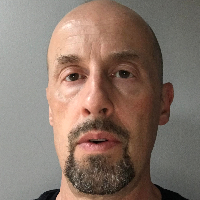
Thomas Zimm, LCSW
Licensed in Illinois · 14 years in practice
Thomas Zimm is a licensed clinical social worker who helps people facing stress, anxiety, trauma, grief, depression, and relationship challenges.
License and registration
- LCSW, Illinois
- 149013395 · expires November 2027
- NPI
- 1386979102 · national provider identifier
- Years in practice
- 14
- Languages
- English
Details are as listed on the therapist's public professional profile. You can check any license with the state board and any NPI with the national registry.
About Thomas
Thomas Zimm is a licensed clinical social worker who helps people facing stress, anxiety, trauma, grief, depression, and relationship challenges. He brings a calm, straightforward style and focuses on practical steps people can use between sessions. Thomas works from Illinois and speaks English.
Thomas has 14 years of experience supporting people affected by abuse, neglect, domestic violence, loss, and homelessness. He also has a long history of working with adolescents and individuals dealing with mood disorders, substance issues, and parenting or fatherhood concerns.
Background and approach
That background shapes a practice that pays attention to life context as much as symptoms. In sessions he emphasizes connection and validation. He treats conversations as collaborative problem-solving rather than labeling.
People can expect him to listen closely, reflect what he hears, and help identify actions that match their goals. Thomas draws from several practical methods to help people change how they cope day to day. He uses mindfulness skills, behavior-focused strategies, and ways of exploring relationship patterns to reduce distress and increase stability.
The work often blends short-term tools with deeper attention to attachment and trauma histories. Therapy with him usually focuses on clear aims: reducing overwhelming feelings, improving relationships, managing mood or substance struggles, and handling grief or loss. He encourages steady, realistic steps and supports people as they try out new ways of coping.
Focus areas and approaches
Everything Thomas lists on their public professional profile, in their own terms.
- Stress, Anxiety
- Trauma and abuse
- Grief
- Anger management
- Depression
- Addictions
- Relationship issues
- Family conflicts
- Bipolar disorder
- Compassion fatigue
- ADHD
- Abandonment
- Adoption and foster care
- Attachment issues
- Caregiver issues and stress
- Control issues
- Disruptive Mood Dysregulation Disorder (DMDD)
- Dissociation
- Domestic violence
- Emptiness
- Fatherhood issues
- Guilt and shame
- Isolation / loneliness
- Men's issues
- Post-traumatic stress
Approaches Thomas names
- Acceptance and Commitment Therapy (ACT)
- Attachment-Based Therapy
- Cognitive Behavioral Therapy (CBT)
- Dialectical Behavior Therapy (DBT)
- Trauma-Focused Therapy
Naming an approach is not evidence of training in it. This directory copies what each therapist lists and does not check training records.
Online support
Approaches and online care that fit your life
Acceptance and Commitment Therapy helps people notice unhelpful thoughts and choose values-based actions instead of getting stuck. It is useful for anxiety, depression, and stress when someone wants practical ways to live more in line with what matters. Cognitive Behavioral Therapy focuses on changing thinking and behavior patterns that keep problems going; it offers concrete skills for mood, anger, and addictive behaviors. Attachment-Based Therapy looks at how early relationships shape current connections and helps people build safer, more predictable ways of relating to others.Choosing a therapeutic approach is a collaborative process. Thomas will talk with each person about goals, past experiences, and what has or hasn’t worked before. Together they decide which methods to try and adjust them as progress unfolds so the plan stays useful and realistic.
Online therapy makes it easier to fit sessions into a busy life. Video calls allow face-to-face conversation, phone sessions work well when bandwidth is limited, live chat can be a quick check-in, and text-based messaging supports ongoing contact between appointments. These options let people use the format that best suits their schedule, energy level, and comfort while still accessing structured therapeutic methods.
We will earn a commission if you sign up through our link, at no cost to you. It does not change what you pay or the order of the listings.
Questions people ask
What concerns does he help with?
He works with stress, anxiety, trauma and abuse, grief, anger, depression, addictions, relationship and family difficulties, bipolar disorder, compassion fatigue, and ADHD among other concerns.
What is his therapeutic style like?
His approach is supportive and collaborative, with an emphasis on engagement and validation. Sessions focus on practical steps and understanding personal history rather than labels.
How much experience does he have?
He has 14 years of clinical experience working with people affected by abuse, neglect, domestic violence, loss, homelessness, mood disorders, and substance issues.
What credentials and location apply to his practice?
He is a licensed clinical social worker, LCSW, licensed in Illinois and based in that state.
Can I work with him if English is not my first language?
Sessions are offered in English. International clients are accepted.
Which session formats does he use?
He offers video calls, phone sessions, live chat, and text-based messaging to fit different schedules and needs.
How are fees and billing handled?
Costs vary by location and therapist availability; sessions use a subscription model that can be canceled at any time.
What should I do to begin therapy?
To start, select the Start Therapy button, complete a short matching questionnaire, and schedule sessions according to the therapist's availability.
More therapists in Illinois
See allJack Richey
LCSW
Practical support for stress and relationship strain
- Stress, Anxiety
- Grief
- Self esteem
Marilyn Medow
LCSW
Compassionate guidance grounded in decades of practice
- Stress, Anxiety
- Family
- Trauma and abuse

Debbie Chirikos
LCSW
Experienced LCSW offering steady, practical support
- Stress, Anxiety
- Family
- Parenting

Is this your profile?
Ask us to correct details or take the page down.
Contact us