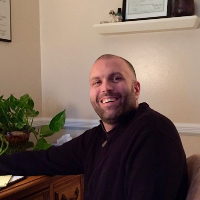
Michael Pfisterer, LCSW
Licensed in New York · 14 years in practice
Michael Pfisterer is a licensed clinical social worker who aims to help people build on their strengths to reach practical goals.
License and registration
- LCSW, New York
- 086146 · expires May 2029
- LISW, South Carolina
- 14016 · expires December 2026
- LCSW, Nevada
- 11061-C · expires June 2027
- NPI
- 1861904229 · national provider identifier
- Years in practice
- 14
- Languages
- English
Details are as listed on the therapist's public professional profile. You can check any license with the state board and any NPI with the national registry.
About Michael
Michael Pfisterer is a licensed clinical social worker who aims to help people build on their strengths to reach practical goals. He focuses on clear steps and short-term tasks that support longer term change. He speaks plain language and works to make therapy feel manageable for busy lives.
He blends client-centered methods with solution-focused work to create plans that match each person's needs. That often means breaking problems into smaller tasks and practicing new ways to respond to stress, anxiety, or low mood.
Background and approach
Sessions emphasize usable strategies you can try between meetings. Michael has 14 years of clinical experience and has worked with many kinds of concerns. He has helped people facing trauma, life transitions, developmental differences, and difficulties with executive functioning.
He also brings experience supporting those coping with addiction, grief, and relationship strain. In practice he aims to set goals together with each person and track progress along the way. He pays attention to what already works in your life and builds from there.
The focus is on realistic steps that fit daily routines and responsibilities. Outside of work he lives in South Carolina with his wife, daughters, and two dogs. He welcomes people who want a straightforward, goal-focused approach and will help align daily actions with personal aspirations.
Focus areas and approaches
Everything Michael lists on their public professional profile, in their own terms.
- Stress, Anxiety
- Parenting issues
- Depression
- Addictions
- LGBT
- Relationship issues
- Family conflicts
- Trauma and abuse
- Grief
- Intimacy-related issues
- Eating disorders
- Sleeping disorders
- Anger management
- Self esteem
- Career difficulties
- Bipolar disorder
- Coping with life changes
- Compassion fatigue
- Autism and Asperger Syndrome
- Codependency
- Drug and alcohol addiction
- Impulsivity
- Intellectual disability
- Life purpose
- Mood disorders
- Panic disorder and panic attacks
- Polyamory / non-monogamous relationships
- Seasonal Affective Disorder (SAD)
- Smoking / vaping cessation
- Social anxiety and phobia
- Young adult issues
Approaches Michael names
Naming an approach is not evidence of training in it. This directory copies what each therapist lists and does not check training records.
Online support
How client-centered and solution-focused work fits online
Client-centered therapy emphasizes the person's perspective and uses empathy and listening to guide change. In practice that means the therapist follows the client's lead, reflects what is important, and helps the client decide next steps that feel manageable. Solution-focused therapy concentrates on practical goals and small, concrete tasks that move someone closer to their desired outcome. It is useful for tackling stress, anxiety, mood challenges, and life transitions by breaking problems into doable steps.Finding the right approach is a shared process. The therapist will talk with the client about needs, goals, and preferences and then try methods that fit. Together they review what works and adjust the plan over time so sessions stay useful and realistic.
Online therapy offers a flexible way to do this work. Video calls let people use body language and screen-sharing for worksheets or notes. Phone sessions can be a simpler option when bandwidth is limited or when someone prefers not to be on camera. Live chat and text-based messaging make brief check-ins, step planning, and problem-solving easier between scheduled meetings. These options help people keep therapy going around work, family, or school commitments and make follow-through on small tasks more practical.
We will earn a commission if you sign up through our link, at no cost to you. It does not change what you pay or the order of the listings.
Questions people ask
What concerns does Michael help with?
He works with a wide range of issues including stress, anxiety, depression, parenting concerns, addictions, trauma and relationship or intimacy-related problems.
What is his therapy style like?
His style combines client-centered therapy with solution-focused methods, emphasizing clear steps, tasks, and practical strategies you can try between sessions.
How much clinical experience does he have?
He has 14 years of experience working with people facing trauma, developmental differences, life transitions, and substance-related concerns.
What credentials and location are listed?
He is a licensed clinical social worker (LCSW) with licenses in New York and Nevada, and he practices from South Carolina.
Which languages and international options are available?
Sessions are offered in English and he accepts international clients.
What session formats does he offer online?
Therapy is available by video calls, phone sessions, live chat, and text-based messaging to fit different schedules and needs.
How are costs and billing handled?
Costs vary with location and therapist availability; sessions use a subscription model that can be canceled at any time.
How do I begin working with him?
Start by selecting the Start Therapy button, complete a short matching questionnaire, and then schedule sessions based on the therapist's availability.
More therapists in South Carolina
See all
Johnnie Terrell
LCSW, LISW-CP
Compassionate social worker focused on practical change
- Stress, Anxiety
- Relationship
- Trauma and abuse


Charlene Carr
LCSW, LISW-CP
Experienced LCSW offering steady, practical support
- Stress, Anxiety
- Relationship
- Trauma and abuse

Is this your profile?
Ask us to correct details or take the page down.
Contact us