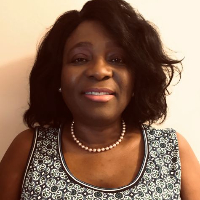
Dennies Libert, LCSW
Licensed in New York · 13 years in practice
Dennies Libert helps people who feel stuck, overwhelmed, or unable to enjoy life again.
License and registration
- LCSW, New York
- 078991 · expires April 2026
- NPI
- 1609068915 · national provider identifier
- Years in practice
- 13
- Languages
- English
Details are as listed on the therapist's public professional profile. You can check any license with the state board and any NPI with the national registry.
About Dennies
Dennies Libert helps people who feel stuck, overwhelmed, or unable to enjoy life again. She is a licensed clinical social worker in New York with 13 years of experience. Her approach is warm and straightforward so people can talk about hard things without feeling judged.
Dennies meets each person where they are and focuses on practical steps. She listens first and then helps set small, doable goals to reduce stress and improve mood.
Background and approach
Sessions include talking through difficult memories, learning new coping skills, and practicing ways to respond differently when emotions run high. Her work includes support for depression, grief, anger, self-esteem struggles, and the fallout from trauma and abuse. She also guides people dealing with career change, parenting strain, compassion fatigue, bipolar mood concerns, and life transitions.
Additional focus areas include adoption and foster care issues, attachment concerns, blended family dynamics, and body image or codependency problems. Dennies uses several methods in therapy. She draws on attachment-based ideas to look at close relationships, client-centered listening to shape each session, and cognitive behavioral tools to change unhelpful thinking patterns.
Mindfulness and skills from dialectical behavior therapy are used to manage intense feelings and improve day-to-day functioning. Her style is caring and engaging. She encourages small experiments between sessions and coaches people through setbacks.
Dennies aims to create a steady, reliable space where progress is tracked and goals are adjusted as needed.
Focus areas and approaches
Everything Dennies lists on their public professional profile, in their own terms.
- Trauma and abuse
- Anger management
- Self esteem
- Career difficulties
- Depression
- Family conflicts
- Grief
- Parenting issues
- Bipolar disorder
- Coping with life changes
- Coaching
- Compassion fatigue
- ADHD
- Abandonment
- Adoption and foster care
- Attachment issues
- Blended family issues
- Body image
- Codependency
- Commitment issues
- Communication problems
- Control issues
- Coping with natural or human-caused disaster
Approaches Dennies names
- Attachment-Based Therapy
- Client-Centered Therapy
- Cognitive Behavioral Therapy (CBT)
- Dialectical Behavior Therapy (DBT)
- Mindfulness Therapy
- Motivational Interviewing
- Narrative Therapy
- Psychodynamic Therapy
- Solution-Focused Therapy
- Trauma-Focused Therapy
Naming an approach is not evidence of training in it. This directory copies what each therapist lists and does not check training records.
Online support
How therapeutic approaches translate to online work
Attachment-based work focuses on understanding patterns in close relationships and how early experiences shape trust and emotional responses. In online sessions this looks like talking through relationship histories, noticing interaction patterns, and practicing new ways of relating in everyday life.Client-centered therapy centers the person's experience and priorities. The therapist listens without judgment, follows the client's lead, and helps clarify goals. This approach is useful for people who need a steady, accepting presence as they sort through difficult feelings.
Dennies will work collaboratively to find the best approach based on your needs, goals, and preferences. She often combines listening-centered work with specific behavior and thinking strategies so the plan fits your life. Figuring out what helps most is part of the early sessions, and adjustments are made as progress unfolds.
Online formats include video calls, phone sessions, live chat, and text-based messaging. Video helps when visual cues and face-to-face conversation matter. Phone sessions use less bandwidth and can fit into a work break. Live chat or text is helpful for brief check-ins, skill coaching, or when writing feels easier. These options aim to make therapy more flexible and easier to fit into a busy schedule.
We will earn a commission if you sign up through our link, at no cost to you. It does not change what you pay or the order of the listings.
Questions people ask
What kinds of concerns does Dennies address?
Dennies helps people with trauma and abuse, depression, grief, anger, self-esteem, ADHD, bipolar concerns, and coping with life changes. She also supports issues around parenting, career stress, and compassion fatigue.
What is her therapeutic style like?
Her style is client-centered, warm, and engaging. She listens carefully, helps set small goals, and uses practical exercises between sessions.
How much clinical experience does she have?
She has practiced as a psychotherapist for 13 years, working with adults on adjustment, mood, and trauma-related concerns.
What are her credentials and where is she based?
She holds an LCSW, a licensed clinical social worker credential, and practices from New York.
Which languages are sessions offered in?
Sessions are offered in English.
What session formats are available?
Sessions can be conducted by video calls, phone sessions, live chat, or text-based messaging.
How does pricing work for sessions?
Cost varies with location and therapist availability; sessions use a subscription that can be canceled at any time.
How do I begin working with her?
Start by selecting the Start Therapy button, complete a short matching questionnaire, and schedule according to therapist availability.
More therapists in New York
See all

LaTisha Honor
LCSW
Compassionate guidance for relationship and self issues
- Relationship
- Trauma and abuse
- Intimacy-related issues

Is this your profile?
Ask us to correct details or take the page down.
Contact us