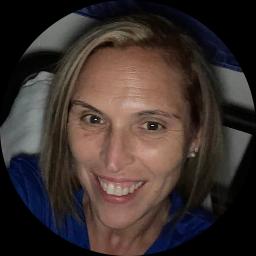
Amy Freeman, LCSW, MD, LCSW-C
Licensed in Maryland · 11 years in practice
Amy Freeman is a Licensed Clinical Social Worker (LCSW) practicing in Maryland.
License and registration
- LCSW-C, Maryland
- 19874 · expires October 2026
- LCSW, Arizona
- LCSW-21354 · expires March 2027
- NPI
- 1578936902 · national provider identifier
- Years in practice
- 11
- Languages
- English
Details are as listed on the therapist's public professional profile. You can check any license with the state board and any NPI with the national registry.
About Amy
Amy Freeman is a Licensed Clinical Social Worker (LCSW) practicing in Maryland. She draws on 11 years of clinical experience to help people manage stress, anxiety, mood disorders, ADHD, trauma, and related concerns. Her approach is direct and practical, focused on teaching skills people can use between sessions.
Amy emphasizes clear communication and teamwork in care. She has worked in school settings alongside educators, speech and occupational therapists, and behavior specialists.
Background and approach
That background shapes how she assesses needs and builds support plans that connect to daily life. In sessions she uses tools from cognitive behavioral therapy and dialectical behavior therapy to change unhelpful thinking and improve emotional control. She also uses mindfulness and trauma-focused techniques when those fit a person’s experience.
These methods are presented in simple, concrete steps clients can practice at home. Amy aims to create a nonjudgmental space where people can try new ways of coping. She helps clients identify triggers, learn calmer responses, and replace patterns that cause stress or conflict.
Progress is paced to each person’s goals and comfort. Her past work with young adults who have developmental disabilities informs a flexible, team-oriented style. Sessions often consider school, work, and family contexts when relevant.
Amy welcomes questions and works with each person to build a plan that feels manageable and useful.
Focus areas and approaches
Everything Amy lists on their public professional profile, in their own terms.
- Stress, Anxiety
- Trauma and abuse
- Bipolar disorder
- Depression
- ADHD
- Anger management
- Antisocial personality
- Autism and Asperger Syndrome
- Avoidant personality
- Codependency
- Divorce and separation
- Domestic violence
- Emptiness
- Family of origin issues
- Family problems
- Fertility issues
- Guilt and shame
- Impulsivity
- Intellectual disability
- Midlife crisis
- Mood disorders
- Narcissism
- Obsessions, compulsions, and OCD
- Panic disorder and panic attacks
- Personality disorders
- Phobias
- Postpartum depression
- Post-traumatic stress
- Pregnancy and childbirth
- Prejudice and discrimination
- Self-harm
- Sexual assault and abuse
- Sexual dysfunction
- Sexuality
- Social anxiety and phobia
- Women's issues
- Young adult issues
Approaches Amy names
- Cognitive Behavioral Therapy (CBT)
- Dialectical Behavior Therapy (DBT)
- Mindfulness Therapy
- Trauma-Focused Therapy
Naming an approach is not evidence of training in it. This directory copies what each therapist lists and does not check training records.
Online support
Therapeutic approaches for online care
CBT, or cognitive behavioral therapy, focuses on identifying and changing unhelpful thoughts and behaviors. It breaks problems into clear steps and teaches skills you can practice between sessions to reduce anxiety, depression, and impulsive reactions.DBT, or dialectical behavior therapy, teaches emotion regulation, distress tolerance, and clearer communication. It is useful when strong feelings, anger, or impulsivity get in the way of daily life. Mindfulness therapy helps people notice thoughts and sensations without judgment and can reduce reactivity to stress.
Choosing the right approach is a collaborative process. The therapist will talk with each person about their needs, goals, and preferences and suggest methods that fit. Plans can be adjusted as progress is made, combining elements from different approaches when helpful.
Online formats include video calls, phone sessions, live chat, and text-based messaging. Video lets you work face to face from any location with a good internet connection. Phone sessions can be a simpler option when bandwidth is limited. Live chat and text messaging are useful for quick check-ins, brief skill practice, or when typing feels easier than speaking. These options make scheduling more flexible and help therapy fit into busy lives.
We will earn a commission if you sign up through our link, at no cost to you. It does not change what you pay or the order of the listings.
Questions people ask
What kinds of concerns does she address?
She helps people with stress, anxiety, trauma and abuse, bipolar disorder, depression, ADHD, and anger. Additional focus areas include family of origin issues, mood disorders, and related concerns.
What is her general therapy style?
Sessions are practical and skills-oriented, using clear language and step-by-step tools. The work often focuses on changing unhelpful thoughts and building coping strategies.
What experience does she bring?
She has 11 years of clinical experience and has worked in school settings with multidisciplinary teams. That background shapes a collaborative approach to care.
What are her credentials and location?
She holds the LCSW credential and the LCSW-C designation and lists Maryland as a practice location.
Which languages are supported for sessions?
Sessions are offered in English.
What session formats are available?
Therapy is offered via video calls, phone sessions, live chat, and text-based messaging to suit different needs and schedules.
How are fees and billing handled?
Cost varies with location and therapist availability; sessions use a subscription model that can be canceled at any time.
How do I begin working with her?
Start by selecting the Start Therapy button, complete a short matching questionnaire, and then schedule sessions according to therapist availability.
More therapists in Maryland
See allEmily Dove
MD, LCSW-C, LCSW
Compassionate, practical help for everyday struggles
- Stress, Anxiety
- Relationship
- Family

Melvyn Heyes
MD, LCSW-C, LCSW
Practical, goal-focused help for persistent stress
- Stress, Anxiety
- Relationship
- Trauma and abuse

Dr. Jerome Anderson
LCSW, LICSW
Focused practical therapy for stress and life changes
- Stress, Anxiety
- Relationship
- Career
John Daughtrey
MD, LCSW-C, LCSW
Compassionate trauma-informed LCSW
- Stress, Anxiety
- Trauma and abuse
- Anger
Is this your profile?
Ask us to correct details or take the page down.
Contact us