Clinical social work directory
Therapists licensed in North Dakota
12 Licensed Clinical Social Workers in this directory hold a license issued in North Dakota. Sessions are online; a therapist can usually only see people in the states where they hold a license, so check the license panel on each profile.
Welcome to the North Dakota directory of online therapists who hold an LCSW credential. All listed professionals are licensed clinical social workers - explore profiles to learn about their focus areas, languages, approaches, and experience.

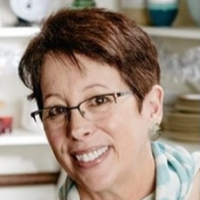
Roxanne Rose
LCSW
Practical, compassionate therapy for everyday struggles
- Stress, Anxiety
- Relationship
- Trauma and abuse
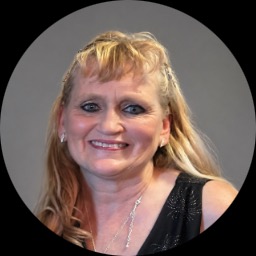
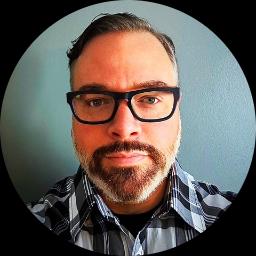
Kevan Greene
LCSW, LICSW
Careful, down-to-earth help for everyday struggles
- Stress, Anxiety
- Relationship
- Self esteem

Chasity Keller Anderson
LCSW
Practical support for stress, trauma, and parenting
- Stress, Anxiety
- Relationship
- Family

Brenda Witt
LCSW
Compassionate, practical therapy for life’s hard moments
- Stress, Anxiety
- Relationship
- Grief
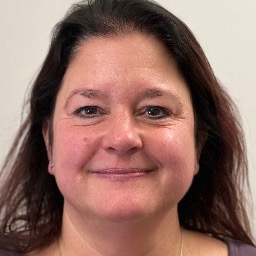
Samantha Plumski
LCSW, LICSW
Compassionate, practical support for everyday struggles
- Stress, Anxiety
- Trauma and abuse
- Depression

Elizabeth Meyer
LCSW
Calm, practical therapy for stress and trauma
- Stress, Anxiety
- Trauma and abuse
- Grief

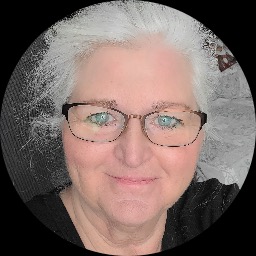
Cassandra Singh
LCSW
Compassionate, practical support for addiction and anxiety
- Stress, Anxiety
- Addictions
- Anger

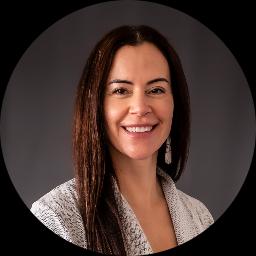
Rebecca Daigneault
LCSW
Practical, trauma-informed support for adults
- Stress, Anxiety
- Relationship
- Trauma and abuse
Some links on this page are partner links. We will earn a commission if you sign up through one, at no cost to you. It does not change what you pay or the order of the listings.
Overview of online therapy availability in North Dakota
If you live in North Dakota and are considering online therapy, you should know that licensed clinical social workers have increasingly offered remote sessions to reach people across the state. State licensing determines whether an LCSW may provide services to you online, and many licensed clinical social workers maintain the credential required to practice clinically. Online sessions can be provided by a licensed clinical social worker located in North Dakota or by an LCSW elsewhere who is authorized to practice in North Dakota. Because licensing and practice rules are issued and renewed by the state board, the scope of practice and permitted activities can vary. When browsing profiles, you will see that LCSWs emphasize a person-in-environment perspective - this social work lens means they look at housing, work, family, finances, community, and access to care alongside your internal experience rather than treating you as isolated from your circumstances.
Benefits of online therapy for North Dakota residents
Online sessions with an LCSW can make it easier to access services if you live in a rural county, have mobility challenges, or manage a busy work schedule. You can have conversations with a licensed clinical social worker without traveling long distances, and that can reduce time and logistical barriers. Online formats also allow you to connect with an LCSW who lists specific languages or experience that match your needs even if that professional is not located in your immediate town. An LCSW’s person-in-environment approach can be especially useful when life circumstances - such as housing stability, employment shifts, or community resources - influence the concerns you want to address. Some people find that the convenience of remote sessions helps them maintain continuity of care during life transitions, while others prefer a mix of in-person and online contact when feasible. Keep in mind that technology quality, internet speed, and a setting where you feel comfortable speaking openly will affect how helpful the experience feels for you.
What kinds of issues online therapists in North Dakota commonly help with
Licensed clinical social workers practice across a wide range of clinical areas and life concerns. You will find LCSWs who work with mood and anxiety-related concerns, stress management, relationship and family dynamics, grief and loss, life transitions, caregiver strain, and challenges related to work or school. Many LCSWs also support people navigating systemic and environmental stressors, such as housing instability, financial strain, immigration-related stress, or limited access to community resources. If you are looking for therapy that considers your surroundings and practical barriers as part of the plan, a licensed clinical social worker’s training is designed around that perspective. When you review provider profiles, notice the focus areas each therapist lists and how they describe their work with different populations - some therapists list particular age ranges, family structures, cultural backgrounds, or life stages they commonly work with. Profiles may also list therapeutic approaches that a therapist uses, and when you see approaches named you should read those descriptions as indicators of what the therapist lists among their approaches rather than formal certification claims.
How to verify a therapist's LCSW license in North Dakota
Verifying licensure is a practical step that helps you confirm a therapist holds the LCSW credential and that their license status is current with the state authority. To check an LCSW license in North Dakota, start with the state licensing board for social work; the board maintains public records you can search by name or license number. When you look up a record, you will typically find the license status, the expiration date, and any disciplinary actions that have been recorded by the board. If a profile lists a license number, that can speed your search, but you can also search by the clinician’s name. If you have questions about what you find in a public record, contact the state board directly to request clarification. Remember that licensure requirements generally include a graduate degree in social work, a period of supervised post-graduate clinical experience - commonly two to three years and several thousand hours - and passage of a clinical licensing examination. Because boards update their records periodically, checking the state board’s listing is the most reliable way to confirm the license details you care about.
How to get started with an online licensed clinical social worker
Beginning online work with an LCSW starts with clarifying what you want from the sessions. Think about the main concerns you want to address, what outcomes would feel meaningful to you, and any practical constraints such as session times, language needs, or insurance. When you view a therapist profile, note their stated focus areas, the formats they list such as video or phone sessions, languages spoken, and the general therapeutic orientations they mention. Many people find it useful to have a short list of questions before making contact - questions about a therapist’s experience with particular issues, comfort working with your identity or life situation, or how they integrate social and environmental concerns into their work. Initiate contact using the profile's provided contact method or the therapist’s own listed contact details, and ask any straightforward questions that help you decide whether to move forward. If you use insurance, check whether the therapist lists participation with your plan and what documentation you may need for reimbursement. When your first session is scheduled, prepare a quiet and uninterrupted place where you can speak freely and gather any relevant documents or notes that will help you and the therapist understand your needs.
Tips for choosing the right licensed clinical social worker for you
Choosing a therapist is a personal decision and you should prioritize factors that matter most to you. Compare focus areas, approaches, credentials, languages, and experience as you read profiles. Pay particular attention to whether the therapist highlights experience with the kinds of life circumstances or clinical concerns you want to address, and whether they articulate how they incorporate the person-in-environment perspective into their work. If approach names appear on a profile, read them as descriptors that the therapist lists among the methods they draw on rather than proof of certification. Consider practical details such as the session formats offered and the language you prefer to use, and look for information about insurance or payment arrangements if that matters to you. Trust your sense of fit when you first speak with a therapist - you can expect to get a sense early on whether their style and priorities align with your needs. If you are juggling logistics, identify how the therapist communicates about scheduling and policies so you know what to expect. Remember that finding the right match can take time, and your comfort in the therapeutic relationship is a key part of effective work with an LCSW who will consider both your internal experience and the environmental factors shaping it.