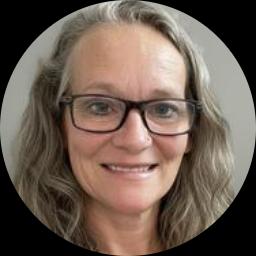
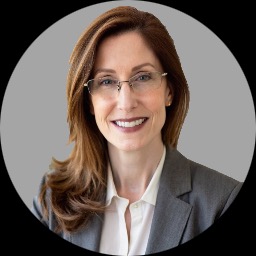
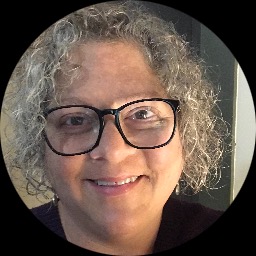
Lisa McCann
LICSW, LCSW
Practical support for life’s difficult moments
- Family
- Trauma and abuse
- Parenting
Clinical social work directory
24 Licensed Clinical Social Workers in this directory hold a license issued in New Hampshire. Sessions are online; a therapist can usually only see people in the states where they hold a license, so check the license panel on each profile.
Welcome to our directory of online therapists serving New Hampshire. All therapists listed here hold an LCSW license issued by their state board. Explore profiles to learn about credentials, languages, and approaches so you can find a good match.
LICSW, LCSW
Practical support for life’s difficult moments
LCSW, LICSW
Therapist focused on practical, steady support
LCSW
Compassionate support for recovery and change
LICSW, LCSW
Steady, practical support for life changes
LCSW, LICSW
Compassionate, practical therapy for life’s big challenges
LCSW
Calm, practical support for life's challenges
LCSW
Practical support for stress, mood, and life changes
LCSW
Practical, steady support for life’s challenges
LCSW
Calm, practical support for anxiety and trauma
LICSW, LCSW
Compassionate problem solving for everyday life
LCSW
Steady, practical support for life changes
LCSW
Compassionate practical therapy for overwhelmed people
LCSW
Compassionate, practical help for difficult moments
LCSW
Guidance for stress, grief, and identity concerns
LCSW
Practical support for anxiety and life changes
LCSW
Practical, compassionate help for real-life struggles
LCSW
Therapist focused on practical emotional support
LCSW
Experienced LCSW guiding practical life changes
Some links on this page are partner links. We will earn a commission if you sign up through one, at no cost to you. It does not change what you pay or the order of the listings.
Online sessions with a licensed clinical social worker - an LCSW - have become a widely used option across New Hampshire. Many social workers who hold an LCSW provide clinical support through video or phone sessions that let you connect from your home, workplace, or another convenient setting. Because the LCSW credential indicates a master's degree in social work plus the supervised clinical hours and a licensing exam required by the state, choosing an LCSW lets you look for clinicians trained in clinical assessment and interventions within the social work tradition.
The social work approach emphasizes the person-in-environment perspective. That means when you meet with an LCSW you can expect attention to both your internal experience and the practical circumstances that shape it - housing, work, family, finances, community resources and access to care. Online sessions can make those real-world factors easier to bring into the conversation because you and your clinician are literally in the environments where those issues play out. While exact practice rules and telehealth regulations vary by state, this directory focuses on LCSWs who list online sessions for people in New Hampshire and includes profile details to help you learn more about each clinician's background and focus.
You may find online sessions helpful for reasons that matter in day-to-day life in New Hampshire. If you live in a rural town, commute into a city, care for family members, or have limited local options for specialized supports, meeting online can reduce travel time and make it easier to fit clinical work into your week. Online sessions also let you maintain continuity if you travel within the state or need flexible timing for work or caregiving responsibilities.
An LCSW brings the social work lens to remote sessions by helping you connect mental health concerns to social and practical challenges. That could mean working together to address how housing instability affects stress, identifying community resources, or coordinating care with other providers. Many people appreciate that the scope of social work training includes systems-level thinking alongside clinical skills - you can work on feelings, behaviors, and symptom management while also exploring external factors that shape well-being.
Licensed clinical social workers who offer online sessions commonly support people with a wide range of concerns. You can find clinicians who list experience addressing depression and anxiety, coping with life transitions and relationship challenges, processing grief and loss, or managing stress related to work and caregiving. LCSWs often work with people navigating trauma, substance use or relapse prevention, chronic health conditions, and perinatal mental health, always keeping the broader social context in view.
Because social work training emphasizes community resources and practical problem solving, many LCSWs also help with issues like housing instability, access to benefits or supports, employment challenges, and school or family systems. If you are seeking help that integrates emotional support with referrals, case coordination, or advocacy, an LCSW's background may be especially relevant. When reading profiles, notice the focus areas and any languages spoken so you can identify clinicians whose listed experience aligns with what you want to work on.
Verifying a therapist's professional license is an important step before you engage in online sessions. For an LCSW in New Hampshire, start with the state licensing board's online license lookup. Enter the clinician's name to confirm that the LCSW license is active, view the license number and expiration date, and review any public disciplinary records or restrictions on practice. Official state records are the authoritative source for licensing information and provide documentation you can rely on when evaluating credentials.
When you look up a license, pay attention to the exact license title shown in the record. This directory lists clinicians who hold the LCSW credential specifically, and the state board record will reflect the scope and title recognized in New Hampshire. If you have questions about a license record you find, the state board can provide guidance on what entries mean and how to interpret public notices. Keeping a screenshot or noting the license number can be useful if you later need to reference the verification when communicating with a clinician or another professional.
Beginning online sessions with an LCSW usually starts with reviewing clinician profiles to learn about their educational background, areas of focus, client populations, languages, and the approaches they list. Profiles often describe session length, typical fee structures, and accepted payment methods, so you can plan for the practical aspects of working together. Once you identify clinicians you want to learn more about, prepare a brief set of questions to clarify what matters most to you - for example, their experience with particular concerns, how they structure sessions, and what communication methods they prefer.
On the technical side, make sure you have a device with a camera and microphone and a reliable internet connection for video sessions. Choose a comfortable environment in your home or another setting where you can talk without interruptions and where you feel at ease. Before your first session, it can help to have a sense of the goals you want to pursue and some history about past services, medications, or relevant medical or social supports. During initial sessions you and your LCSW will typically spend time getting to know one another, discussing goals, and agreeing on how you will work together moving forward.
Choosing a clinician is a personal decision and different factors will matter to different people. Start by identifying the qualities that are most important to you: specific areas of experience, languages spoken, a clinician's approach as described on their profile, and years of clinical practice. Because this site lists only that a clinician holds an LCSW, pay attention to the profile details where clinicians describe populations they work with and the issues they commonly address. When a clinician lists certain approaches, recognize that this indicates they include those approaches among their practice interests - profiles do not substitute for direct conversation about specific training or certifications.
Think about practical preferences as well - session length, fee range, and whether the clinician notes experience working with conditions that overlap your needs. It is also reasonable to ask how the clinician coordinates with other professionals, such as primary care providers or community agencies, especially if you are managing ongoing medical or social services. Trust your comfort level: if you feel able to speak openly and the clinician listens and responds in helpful ways, you are likely to make productive progress. Taking time to review profiles, prepare questions, and reflect on what matters most to you will make it easier to find an LCSW who fits your goals and context.
Online sessions with a licensed clinical social worker can bring clinical care into your day-to-day life while keeping attention on the social and environmental factors that shape well-being. Use the profiles below to learn more about each clinician's credentials, languages, and areas of focus, and prepare questions that help you evaluate fit before beginning work together.