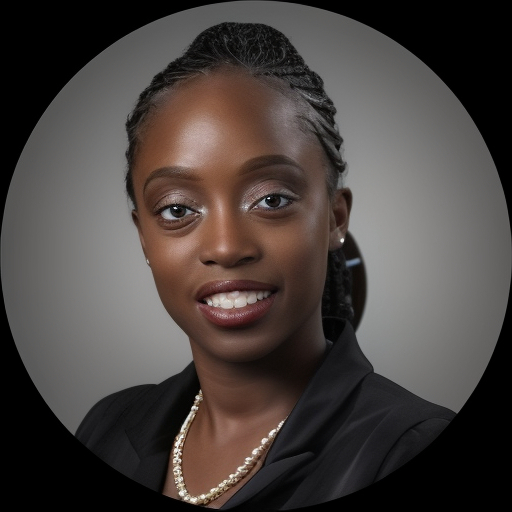
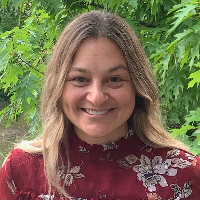
Dr. Marissa Goldman
LCSW
Compassionate, practical support for stress and change
- Stress, Anxiety
- Parenting
- Self esteem
Clinical social work directory
16 Licensed Clinical Social Workers in this directory hold a license issued in Minnesota. Sessions are online; a therapist can usually only see people in the states where they hold a license, so check the license panel on each profile.
Welcome if you are looking for online therapy in Minnesota. All listed therapists hold a Licensed Clinical Social Worker (LCSW) license issued by a state board. Browse profiles to learn about each clinician's focus areas, approaches, languages, and experience.
LCSW
Compassionate, practical support for stress and change
LICSW, LCSW
Compassionate, practical support for stress and relationships
LICSW, LCSW
Practical, steady support for complex struggles
LCSW, CSW
Practical, compassionate therapy for anxiety and trauma
LCSW, LICSW
Compassionate, practical care for everyday challenges
LCSW, LICSW
Practical, person-centered therapy for everyday struggles
LCSW, LICSW
Supportive LCSW focused on practical coping skills
LCSW, CSW
Calm, practical therapy for everyday challenges
LCSW, LICSW
Compassionate practical therapy for life changes
LICSW, LCSW
Compassionate social worker for life changes
LICSW, LCSW
Compassionate social work with practical tools
LCSW, LICSW
Helping people manage stress and relationship pain
LISW, LCSW
Experienced LCSW for practical emotional support
Some links on this page are partner links. We will earn a commission if you sign up through one, at no cost to you. It does not change what you pay or the order of the listings.
If you are considering online therapy with an LCSW in Minnesota, it helps to understand who an LCSW is and how online services fit into that role. A Licensed Clinical Social Worker holds a master’s degree in social work, has completed a state-set period of supervised post-graduate clinical experience, and has passed a clinical licensing examination. The LCSW license is issued and renewed by a state board, and the scope of practice can vary from state to state. In Minnesota, clinicians who hold the LCSW credential are authorized to provide clinical services, and many of them offer sessions via video or phone to reach people across the state.
Online therapy does not change the fundamentals of social work practice. LCSWs bring a person-in-environment perspective to virtual care, which means they look at your circumstances - housing, work, family, finances, community connections, and access to services - alongside your internal experience. That integrated view can be especially useful when the practical aspects of life are part of what you want to work on. When you search listings, you will see profiles that describe populations served, common concerns addressed, languages spoken, and the types of approaches a clinician lists among their methods. Those profile details are helpful to understand fit, since the credential alone does not indicate a single approach or technique.
Online therapy with an LCSW can expand your options in several practical ways. If you live far from a city center, have limited transportation, or are juggling work and family responsibilities, remote sessions reduce travel time and can make it easier to maintain continuity of care. For people in rural parts of Minnesota, online sessions may also widen the pool of clinicians you can connect with, allowing you to find someone who lists expertise with your particular concerns or who speaks your preferred language.
Beyond logistics, many people find that remote sessions create a comfortable environment for talking about sensitive topics. You can take a session from a personal, quiet area in your home, from a car between errands, or from another space where you feel at ease. Online work can also make it easier to involve other elements of your life in the conversation. For example, you and your LCSW might discuss how your living situation or community resources are affecting your well-being, and that person-in-environment perspective can shape goals and practical next steps. Keep in mind that technology matters - a clinician who uses a HIPAA-compliant platform and clear policies about communication will usually describe those details in their profile or intake paperwork.
Licensed Clinical Social Workers often address a broad range of concerns, and many offer these services in online formats. If you are facing stress related to relationships, parenting, or family dynamics, an LCSW can help you explore patterns and identify supports that fit your daily life. People also turn to LCSWs for help with mood concerns like depression or anxiety, challenges connected to major life transitions such as job change, bereavement, caregiving responsibilities, and the ongoing effects of trauma.
Because social work education emphasizes the interplay between individual experience and life context, LCSWs frequently work with practical problems that overlap with emotional health. That can include housing instability, employment strain, access to community resources, or questions about systems such as schools, healthcare, and social services. When these external factors are part of what you want to address, online sessions can still be effective because your clinician will often help you consider both the internal and environmental aspects of your situation. Profiles will often indicate the kinds of issues a clinician lists among their specialties, and that information can guide your search for someone whose experience aligns with the challenges you want to address.
Before you begin work with an LCSW, you may want to confirm their licensure status. Licenses are issued by a state board, and the Minnesota board maintains public records you can consult. To verify a license, start by locating the clinician's full name and license number on their profile if it is provided. Then use the Minnesota Board of Social Work's online license lookup tool or public roster to check that the license is active, see the license issue and expiration dates, and review any public disciplinary history. These public records typically show the credential type and the status of the license, which helps you confirm that a clinician holds the LCSW designation rather than a different social work license.
When you look at licensure records, pay attention to how the board lists the credential and any notes about restrictions or disciplinary actions. The LCSW credential reflects a period of supervised clinical experience and a qualifying exam, but the exact scope of practice and continuing education requirements are governed by state rules. If you have questions about what the license allows in Minnesota, the board's website often includes guidance about practice standards, telehealth rules, and how to file a consumer inquiry if needed. Verifying licensure is a practical step that gives you clear, official information about a clinician's authorization to provide clinical services.
Beginning online therapy with an LCSW is a personal process, and there are several ways to make an informed choice. Start by considering the main issues you want to address and the populations you prefer to work with. Many profiles list focus areas such as family work, trauma, substance-related concerns, or life transitions, and they often note the ages or communities they specialize in serving. Look for clinicians who list approaches that resonate with you, remembering that a profile describes what a clinician lists among their methods rather than certifying specific training in every approach named.
Language and cultural match can matter a great deal. If you prefer sessions in a language other than English, search for clinicians who list that language on their profile. If cultural background or lived experience is important to you, profiles sometimes include information about cultural competence or the communities a clinician has experience serving. Also review practical details such as session format - video or phone - and how the clinician describes communication and scheduling policies. While you should not expect profiles to report operational real-time data, they do usually indicate whether a clinician lists telehealth among their service modes and how they prefer to communicate about intake and billing.
When you are deciding between options, consider reaching out with an initial message or intake form to ask about fit. You might ask how they typically structure early sessions, what goals tend to work well for people with concerns like yours, and what you can expect in terms of follow-up resources or referrals. Think about your comfort with technology, and choose a clinician who describes a process that aligns with your needs for accessibility and ease of use. Finally, trust your sense of rapport. Fit matters, and feeling heard and understood in early conversations is an important indicator of whether an online LCSW is the right match for your work ahead.
Searching for an online LCSW in Minnesota is about matching clinical authorization, professional focus, and practical fit with your needs. Use public licensure records to confirm the LCSW credential, read profiles for focus areas and languages, and look for clinicians who emphasize a person-in-environment perspective if that matters to you. With attention to those elements, you can find a clinician who aligns with the goals you want to pursue and the way you prefer to meet. Remember that the LCSW credential describes a level of clinical social work training and practice - looking at the whole profile will help you choose a clinician whose experience and approach meet your expectations for online care.