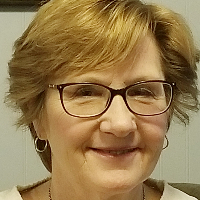
Mary Miller, LCSW
Licensed in Illinois · 21 years in practice
Mary Miller is a Licensed Clinical Social Worker with 21 years of experience who helps people manage stress, anxiety, depression, grief, trauma, and relationship struggles.
License and registration
- LCSW, Illinois
- 149-012378 · expires November 2027
- LCSW, Montana
- BBH-LCSW-LIC-23859 · expires December 2026
- LCSW, Indiana
- 34009842A · expires April 2026
- NPI
- 1356322804 · national provider identifier
- Years in practice
- 21
- Languages
- English
Details are as listed on the therapist's public professional profile. You can check any license with the state board and any NPI with the national registry.
About Mary
Mary Miller is a Licensed Clinical Social Worker with 21 years of experience who helps people manage stress, anxiety, depression, grief, trauma, and relationship struggles. She works one person at a time to make sense of difficult feelings and practical problems. Her approach is straightforward and caring for anyone seeking steadier emotional footing.
She uses clear, short-term tools when they help. She often draws on Cognitive Behavioral Therapy to change unhelpful thinking and on Mindfulness techniques to reduce overwhelm.
Background and approach
She also brings in psychodynamic ideas to look at repeating patterns that affect relationships and mood. Mary trained for her Master of Social Work at Aurora University in Illinois. She has held licenses in Illinois and Montana and has worked in school and community settings, including time on the Blackfeet Reservation.
She currently practices from Indiana and speaks English. Sessions focus on practical steps you can try between meetings. That might mean building coping plans for panic, practicing simple mindfulness exercises, or trying new ways to talk with a partner or family member.
She pays attention to how life stress, work demands, and grief show up in day-to-day living. She also supports people facing first responder stress, gender dysphoria concerns, postpartum depression, seasonal affective disorder, and end-of-life issues. Mary aims to help clients notice patterns, try small changes, and find more balance as they move through life transitions.
Focus areas and approaches
Everything Mary lists on their public professional profile, in their own terms.
- Stress, Anxiety
- Relationship issues
- Trauma and abuse
- Grief
- Depression
- Family conflicts
- Eating disorders
- Sleeping disorders
- Parenting issues
- Anger management
- Self esteem
- Bipolar disorder
- Coping with life changes
- Compassion fatigue
- First responder issues
- Gender dysphoria
- Hospice and end-of-life counseling
- Postpartum depression
- Seasonal Affective Disorder (SAD)
- Self-harm
- Sexual assault and abuse
- Young adult issues
Approaches Mary names
- Client-Centered Therapy
- Cognitive Behavioral Therapy (CBT)
- Mindfulness Therapy
- Psychodynamic Therapy
- Trauma-Focused Therapy
Naming an approach is not evidence of training in it. This directory copies what each therapist lists and does not check training records.
Online support
Therapeutic approaches and online care
Client-Centered Therapy focuses on the person’s own goals and experience. The therapist listens closely and helps people find their own solutions rather than pushing a fixed plan, which can help with relationship concerns and life transitions.Cognitive Behavioral Therapy (CBT) looks at how thoughts, feelings, and actions link together. It uses simple exercises and steps to shift unhelpful thinking and build new habits, which is often useful for anxiety, depression, and stress.
Finding the right approach is part of the work together. The therapist will talk with each person about goals, try different methods, and adjust based on what feels most helpful. That collaborative process helps shape a plan that fits individual needs and preferences.
Online sessions make it easier to keep therapy consistent. Video calls allow face-to-face conversation across distances. Phone sessions can be a good option when bandwidth is limited or a shorter check-in is needed. Live chat and text-based messaging let clients send updates, practice skills, or check in between meetings. These options increase flexibility and make it simpler to fit therapy into work, family life, or busy schedules.
We will earn a commission if you sign up through our link, at no cost to you. It does not change what you pay or the order of the listings.
Questions people ask
What concerns does Mary commonly address?
Mary works with stress, anxiety, depression, grief, trauma and relationship problems, plus issues like sleep, eating, parenting, and self-esteem.
How would you describe her therapy style?
Her style is practical and collaborative, using short exercises, discussion, and between-session tasks to build new habits and coping skills.
What is her clinical background and experience?
She has 21 years in social work, including school and community roles, and experience supporting survivors of assault and people with PTSD and grief.
Where is she licensed and located?
She holds LCSW licenses in Illinois and Montana and currently practices in Indiana.
Which languages are sessions offered in?
Sessions are offered in English.
What session formats does she provide?
Mary offers video calls, phone sessions, live chat, and text-based messaging to suit different needs.
How are sessions billed or paid for?
Cost varies with location and therapist availability, and sessions use a subscription that can be canceled at any time.
How do I begin working with her?
Click the Start Therapy button, complete a short matching questionnaire, and schedule sessions according to the therapist's availability.
More therapists in Indiana
See allMaria Wilson
LCSW
Compassionate, practical therapy for stressed parents and adults
- Stress, Anxiety
- Relationship
- Family
Lynnette Thomas
LCSW
Compassionate social worker focused on practical change
- Stress, Anxiety
- Relationship
- Trauma and abuse

Is this your profile?
Ask us to correct details or take the page down.
Contact us