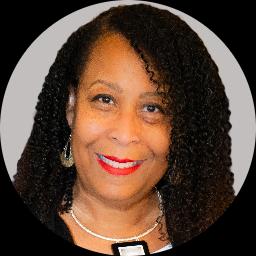
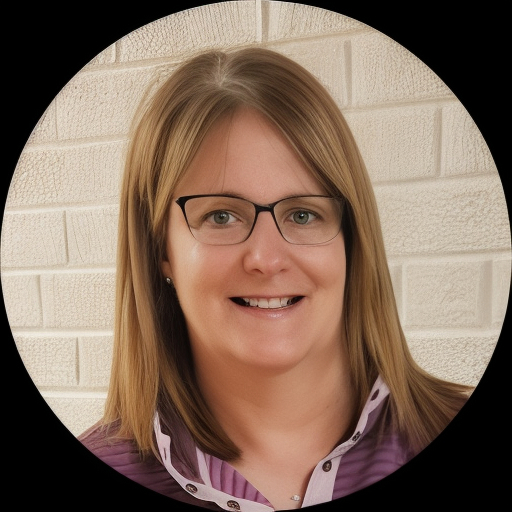
Deneta Jones-Udefi
LCSW
Practical support for relationships and personal growth
- Relationship
- Parenting
- Self esteem
Clinical social work directory
3,004 therapists list separation among the things they work with. All offer sessions online, and every profile shows the registering body, the membership number and when it runs to.
This page lists licensed clinical social workers (LCSWs) who focus on separation-related concerns. Browse the profiles below to learn about each therapist's focus areas, approaches, credentials and languages.
LCSW
Practical support for relationships and personal growth
LCSW
Compassionate, practical therapy for stressed parents and adults
LICSW, LCSW
Calm, steady support for life’s hard changes
LCSW
Calm, practical support for everyday mental health
LCSW
Compassionate social worker focused on practical change
LCSW
Compassionate therapist helping people build stronger coping skills
LCSW
Restorative, practical therapy for everyday challenges
LCSW
Practical, strengths-based help for life changes
LCSW
Forward-focused therapist for practical change
LCSW
Practical, values-focused therapy for life problems
LCSW
Compassionate, strengths-based therapy for life transitions
LCSW
Trusted Mississippi LCSW for life transitions
LCSW
Practical support for stress and relationship strain
LCSW
Practical, respectful therapy focused on real life
LCSW
Calm, practical therapy for everyday challenges
Experienced social worker and clinician
LCSW
Practical support for stress and relationships
LCSW
Practical, evidence-based support for stress and trauma
LCSW
Experienced LCSW providing steady support
LICSW, LCSW, CSW
Practical, compassionate support for life transitions
LCSW, CSW
Compassionate support for trauma and addiction recovery
LCSW
Compassionate guidance grounded in decades of practice
LCSW
Practical, relationship-focused mental health support
LCSW
Practical, steady care from an experienced LCSW
LCSW
Practical support for stress and relationships
LCSW, LISW
Practical, strengths-focused therapy for everyday challenges
LCSW
Compassionate therapist for emotional healing
LCSW
Practical, trauma-informed therapy for everyday challenges
LCSW
Experienced LCSW offering steady, practical support
LCSW
Compassionate, practical support for life transitions
LCSW, LISW-CP
Compassionate social worker focused on practical change
LSCSW, LCSW
Practical, respectful therapy for life changes
LCSW
Practical, steady support for stress and relationships
LCSW, CSW
Experienced LCSW focused on practical change
LCSW
Helping people overcome addiction and relationship strain
LCSW
Compassionate, practical care for mood and life changes
LCSW
Calm, practical support for life’s hard moments
LCSW, LISW
Compassionate, practical support for life transitions
LCSW
Practical, compassionate therapy for life transitions
LSCSW, LCSW
Practical support for stress and life changes
Some links on this page are partner links. We will earn a commission if you sign up through one, at no cost to you. It does not change what you pay or the order of the listings.
Separation can mean many things in people's lives. For some it is the formal process of ending a marriage or long-term partnership. For others it is a period of living apart while decisions are being made, or the emotional distance that grows between two people even when they share a home. Whatever the shape of your experience, separation commonly brings a mix of practical challenges and intense feelings. You may be managing housing, finances, co-parenting logistics and legal matters while also coping with grief, anger, shame or relief. These overlapping demands often intensify stress because they touch both your external circumstances and your internal life.
Licensed clinical social workers bring a person-in-environment perspective that can be especially useful when separation affects many parts of your life at once. That perspective means an LCSW will look not only at your emotions and relationships but also at housing, employment, family roles, caregiving responsibilities and access to community resources. In practice this can translate into help that blends emotional processing with practical planning - for example addressing how a change in living arrangements may affect your mental health, finances and parenting. That combination is often what people find helpful when separation creates complex, interconnected problems.
You might consider reaching out to a licensed clinical social worker if separation is interfering with daily functioning, decision-making or relationships. Difficulty sleeping, changes in appetite, intrusive thoughts about the relationship, persistent anger, numbness or feeling overwhelmed by logistics are common signals that additional support could help. You may notice that arguments with a partner are escalating, that communication with a co-parent has broken down, or that financial or housing uncertainty is consuming your attention and energy. These are practical as well as emotional indicators that a collaborative plan could reduce strain.
People also seek an LCSW when they want to think through next steps calmly rather than react from a place of heightened emotion. If you are navigating legal forms, custody questions or moves, an LCSW can help you plan in ways that consider both immediate safety and longer-term stability. If you are balancing multiple roles - such as parenting, caregiving for older relatives, or managing work - an LCSW can help identify resources and strategies to reduce overload. Seeking help does not mean you are unable to cope; it means you are using available professional skills to manage a difficult life transition with clearer thinking and more tools.
When you begin sessions with an LCSW for separation-related concerns, you can expect an approach that attends to both emotion and context. Early meetings often focus on getting a full picture of your situation - the history of the relationship, current living arrangements, legal or financial pressures, children’s needs, work demands and any supports you already have. Your LCSW will usually ask about immediate safety concerns and basic practical needs so that those can be addressed alongside emotional processing. This foundation helps shape a realistic plan for therapy that fits your life.
Assessment tends to include your goals, the obstacles you face, and what a healthier adjustment would look like. Some people want space to grieve and process feelings. Others want help creating a parenting plan, improving communication with a former partner, or managing anxiety and depression that surfaced during separation. Your LCSW will work with you to set priorities and to develop coping strategies that you can use between sessions. That plan may include practical steps - contacting community resources, organizing paperwork, or arranging temporary housing - as well as therapeutic tasks like practicing grounding techniques or exploring relationship patterns.
The pace of sessions varies with your needs. You may meet more frequently during crises and less often as you gain momentum. A common element is collaborative problem-solving - your LCSW will often combine validation of how hard this is with concrete strategies to reduce immediate stress. Therapy may involve exploring past relationship dynamics so you can make different choices going forward. It can also focus on building supports and routines that stabilize daily life, making emotional work more manageable. Throughout, an LCSW will typically keep an eye on how your external circumstances - work, housing, family - interact with emotional recovery.
Therapists who hold an LCSW list a range of approaches among their practice styles, and many draw from more than one model depending on what you need. Cognitive behavioral methods are often used to help you identify and shift unhelpful thinking patterns that fuel anxiety or depression. Emotion-focused work can help you name and process the grief, anger or relief that often accompanies separation. Relationship-oriented approaches support clearer communication and negotiation when co-parenting or dividing household responsibilities. Some LCSWs emphasize practical skills such as stress management, problem-solving and resource navigation to address the logistical challenges that follow separation.
Because an LCSW training includes attention to systems, you may also find approaches that include family or co-parenting sessions when those are safe and appropriate. Therapists who list family systems among their approaches often help you understand how family roles and patterns influence current conflicts and choices. You might also encounter therapists who focus on trauma-informed care, particularly if separation has been prompted by abuse or has reactivated earlier trauma. When reading profiles, pay attention to the approaches a therapist lists so you can find someone whose way of working aligns with your goals and preferences.
Online sessions with a licensed clinical social worker function much like in-person work in terms of content, but they add convenience and flexibility. You can meet from home, your car between errands, or another setting that works for you. Many people find that meeting remotely makes it easier to keep appointments during a move, to include a co-parent from another household in a session, or to maintain continuity while attending to logistics. Online work can reduce travel time and make it simpler to fit therapy into a busy schedule.
There are practical considerations to keep in mind. You will want a quiet place where you can speak without interruption. If you have children at home, planning coverage or scheduling sessions during quieter times can help. Technical factors like a stable internet connection matter, as does checking that the therapist is licensed in the state that governs their practice when you live in the United States. Many LCSWs can explain their approach to remote work in their profile, including whether they offer single sessions for planning or ongoing sessions for deeper work. Online sessions can be an effective format for separation-related support as long as you and the LCSW agree on a structure that fits your situation.
Finding a therapist who fits you often involves balancing several practical and personal factors. Start by looking for licensed clinical social workers who explicitly mention separation, divorce, co-parenting or relationship transitions among their focus areas. Read profiles to learn about the approaches they list, any special experience with family systems or court-related stress, and the languages they speak. If you have cultural or identity-specific needs, look for therapists who name experience working with similar backgrounds. That information helps you assess whether their style and perspective might feel comfortable.
Consider how you want to work - whether you prefer a therapist who focuses on problem-solving and concrete plans, one who emphasizes emotional processing, or someone who blends both. Think about logistics that matter to you, such as evening sessions, remote work, or familiarity with child welfare or family court procedures. When you read a profile, notice whether the therapist's description resonates with your sense of what would help. Trust your judgment about fit - early rapport is often an important predictor of whether you will be able to do the hard work separation requires. Working with an LCSW can give you a combined focus on feelings and life circumstances, which many people find helpful during this complex transition.
Ultimately, therapy for separation is about helping you make decisions and cope with change in ways that protect your wellbeing and the wellbeing of any children involved. An LCSW can help you navigate both the emotional terrain and the practical steps needed to move forward. Take your time reading profiles below and use the information about focus areas, approaches, credentials and languages to find a clinician whose perspective matches what you need.