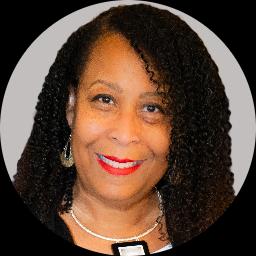
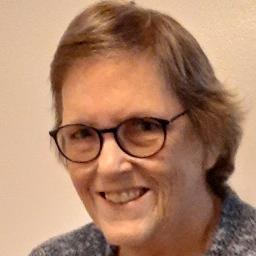
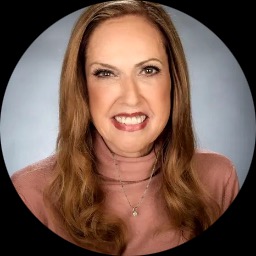
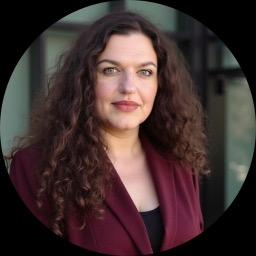
Maria Wilson
LCSW
Compassionate, practical therapy for stressed parents and adults
- Stress, Anxiety
- Relationship
- Family
Clinical social work directory
1,233 therapists list ocd among the things they work with. All offer sessions online, and every profile shows the registering body, the membership number and when it runs to.
This page lists licensed clinical social workers (LCSWs) who include obsessive-compulsive disorder (OCD) among their specialties. Browse the profiles below to review credentials, therapeutic approaches and language options. Use the listings to identify LCSWs whose background aligns with your needs.
LCSW
Compassionate, practical therapy for stressed parents and adults
LCSW
Compassionate support for stress and sexual concerns
LICSW, LCSW
Calm, steady support for life’s hard changes
LCSW
Compassionate support for addiction and trauma recovery
LCSW
Compassionate social worker focused on practical change
LCSW
Restorative, practical therapy for everyday challenges
LCSW
Practical, strengths-based help for life changes
LCSW
Practical, values-focused therapy for life problems
LCSW
Practical, respectful therapy focused on real life
Experienced social worker and clinician
LCSW
Practical support for stress and relationships
LCSW
Practical, evidence-based support for stress and trauma
LCSW
Compassionate, practical therapy for everyday struggles
LCSW
Practical, steady care from an experienced LCSW
LCSW
Practical support for stress and relationships
LCSW
Practical, trauma-informed therapy for everyday challenges
LSCSW, LCSW
Practical, respectful therapy for life changes
LCSW
Compassionate, practical support for life's hard moments
LCSW
Attachment-informed practical therapy for parents and adults
LCSW
Calm, practical support for life’s hard moments
LCSW, LISW
Compassionate, practical support for life transitions
LCSW
Experienced LCSW guiding practical change
LCSW
Practical, down-to-earth therapy for real life
LCSW
Therapist focused on practical coping skills
LCSW
Calm, experienced therapist focused on practical change
LISW, LCSW, CSW
Compassionate social worker who values practical steps
LCSW
Experienced Illinois LCSW helping with mood and relationships
LCSW
Experienced LCSW helping people regain balance
LCSW, LIMHP
Practical support for anxiety and relationship strain
LCSW
Practical trauma recovery and addiction support
MD, LCSW-C, LCSW
Compassionate, practical help for everyday struggles
LCSW
Compassionate, practical therapy for life’s hard moments
LCSW
Compassionate therapy for life’s difficult moments
LCSW
Compassionate practical support for everyday struggles
LCSW
Compassionate, practical therapy for life challenges
LCSW
Calm, practical therapy for everyday struggles
LCSW
Compassionate, practical therapy for life's hard moments
LCSW
Gentle practical therapy for life transitions
LCSW
Compassionate, practical support for life’s hard moments
Some links on this page are partner links. We will earn a commission if you sign up through one, at no cost to you. It does not change what you pay or the order of the listings.
Obsessive-compulsive disorder commonly involves repeated, intrusive thoughts - obsessions - and repetitive behaviors or mental rituals - compulsions - that a person uses to reduce anxiety or prevent feared outcomes. For some people the obsessions are focused on contamination, safety, symmetry, or unwanted impulses. For others the content is more personal, such as intrusive sexual or violent thoughts, or concerns about morality. The experience can range from intermittent distress to a pattern that consumes hours each day and interferes with work, relationships and daily routines. You might notice that rituals temporarily reduce anxiety but also take time and energy, or that you avoid places, people or tasks out of fear that obsessions will be triggered.
OCD often feels isolating because the thoughts can be embarrassing or hard to explain. It is common for someone to try to manage symptoms alone for a long time before reaching out for help. When symptoms create ongoing distress, interfere with responsibilities, or limit your activities, many people find it helpful to consult a mental health professional who understands OCD. Licensed clinical social workers on this site hold a clinical license and may bring a perspective that considers both your internal experience and the life context around it.
You might consider seeking professional support if obsessions or compulsions are causing significant anxiety, consuming a large portion of your day, or making it hard to meet obligations. Difficulty concentrating at work or school because of intrusive thoughts, frequent delays to routine tasks due to repetitive checking or arranging, or strained relationships due to rituals are all indicators that intervention could help. You might also notice increasing avoidance - steering clear of social activities, errands or work responsibilities to prevent triggers - and a rising sense of shame or self-judgment about the content of your thoughts.
Because OCD symptoms can be misinterpreted as personality traits or preferences, it helps to observe whether behaviors are rigid, distressing, and performed to neutralize anxiety rather than for pleasure or utility. If you feel that symptoms are getting worse or that coping strategies are not working as well as they used to, speaking with a licensed clinical social worker can help you clarify next steps. LCSWs listed here have the professional credential that indicates a master’s degree in social work, a state-required period of supervised post-graduate clinical experience, and passage of a clinical licensing exam.
In early meetings a clinician will typically ask about the nature of your obsessions and compulsions, how symptoms affect your daily life, and any previous efforts to cope. Expect a conversation that covers symptom patterns, triggers, family and work context, and how you have tried to manage distress. Because the social work perspective emphasizes person-in-environment, an LCSW will generally explore how housing, work, family responsibilities, financial stress, and access to community resources interact with symptoms. This broader view helps place OCD in the context of your life rather than treating it in isolation.
Ongoing sessions often focus on developing skills to manage anxiety and reduce ritual behaviors. Therapy typically combines education about how OCD works with step-by-step practice to respond differently to obsessions. Many people work with their clinician to set specific, measurable goals and to plan exposures or exercises that gradually increase tolerance for uncertainty or distress. Sessions may include in-the-moment coaching, review of homework assignments, and adjustments to strategies based on what helps you most.
When you read therapist profiles on this site you will see a range of approaches listed. Clinicians often note methods such as cognitive-behavioral strategies, exposure and response prevention, acceptance-based approaches, or family-focused work. Profiles here reflect what a therapist lists among their approaches - they do not document licensing in a specific modality. It is reasonable to look for LCSWs who list methods that align with your preferences, but the credential itself indicates clinical training in assessment and treatment, not a particular technique.
Licensed clinical social workers bring a distinctive person-in-environment perspective that can be valuable in OCD care. Rather than focusing only on symptoms, an LCSW will routinely consider factors such as your housing situation, work stressors, relationships, and access to supports. This can matter when OCD symptoms interact with life conditions - for example when intrusive thoughts influence parenting decisions, or when rituals conflict with job duties. An LCSW may help you address practical barriers to treatment, coordinate with community resources, and incorporate coping strategies that fit your daily routines.
Online sessions with a licensed clinical social worker can follow many of the same steps as in-person care. You can expect an initial assessment conversation, formulation of treatment priorities, and a plan for skill-building and practice that fits an online format. Many clinicians use supported video platforms that allow for real-time coaching during exposures and review of materials between sessions. If you prefer remote care, look for LCSWs who list online or telehealth among their approaches, as this indicates they offer that format.
Online work can be particularly useful when travel, scheduling, or geographic barriers make in-person care difficult. You may be able to practice exercises in your actual living environment with support from your clinician, which can be more directly relevant than role-play in an office. Keep in mind that online care still requires attention to information-sharing boundaries, stable internet connection, and a quiet place to meet. Discuss practical questions with a prospective therapist about how they structure remote sessions and how they handle materials, homework and in-between-session contact.
When you review profiles, focus on the elements that matter most for your comfort and goals. Consider the ways a therapist describes their experience with OCD-related concerns, the approaches they list, the populations and age groups they work with, and the languages they offer. Because LCSWs vary by state, it can be helpful to note where a clinician is licensed and whether they have experience addressing issues that overlap with OCD, such as anxiety, trauma-related concerns, or family dynamics.
Your sense of fit matters. Many people prioritize a therapist who communicates clearly about the structure of treatment, who explains how sessions will address obsessions and compulsions, and who discusses homework and practice between appointments. Others look for clinicians whose cultural background, lived experience, or language skills align with their needs. Use the listings below to compare credentials, therapeutic focus areas, approaches and experience to find LCSWs whose profiles match what you are looking for.
Finding the right professional is a personal process. The LCSWs listed here hold a clinical social work license, which reflects graduate education, supervised clinical experience and state licensure. That credential indicates clinical competence in assessment and treatment, and the social work perspective may be particularly helpful if you want a clinician who will attend to both your internal experience and the life circumstances that shape it.