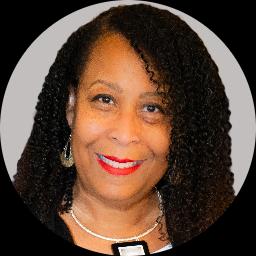
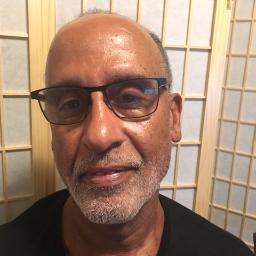
Maria Wilson
LCSW
Compassionate, practical therapy for stressed parents and adults
- Family
- Stress, Anxiety
- Relationship
Clinical social work directory
4,349 therapists list family among the things they work with. All offer sessions online, and every profile shows the registering body, the membership number and when it runs to.
Explore LCSWs who list family work among their focus areas and learn how a licensed clinical social worker may help families navigate relationships, parenting, transitions, and conflict. Use the listings below to review credentials, focus areas, and languages to find therapists who align with your needs.
LCSW
Compassionate, practical therapy for stressed parents and adults
LICSW, LCSW
Calm, steady support for life’s hard changes
LCSW
Compassionate social worker focused on practical change
LCSW
Calm guidance for grief, anxiety, and relationship struggles
LCSW
Person-centered care with practical tools
LCSW
Compassionate therapist helping people build stronger coping skills
LCSW
Restorative, practical therapy for everyday challenges
LCSW
Compassionate, practical support for life challenges
LCSW
Compassionate social worker focused on practical change
LCSW
Experienced LCSW offering steady practical support
LCSW
Practical, strengths-based help for life changes
LCSW
Compassionate, practical therapy for addiction and mood issues
LCSW
Forward-focused therapist for practical change
LCSW
Compassionate, practical care for everyday struggles
LCSW
Compassionate LCSW for practical coping skills
LCSW
Compassionate social worker focused on real-life change
LCSW
Practical, respectful therapy focused on real life
Experienced social worker and clinician
LCSW
Compassionate, practical therapy for everyday struggles
LICSW, LCSW, CSW
Practical, compassionate support for life transitions
LCSW
Practical, client-focused support for life changes
LCSW
Experienced LCSW offering practical, nonjudgmental therapy
LCSW
Compassionate guidance grounded in decades of practice
LCSW
Practical, relationship-focused mental health support
LCSW
Practical, steady care from an experienced LCSW
LCSW
Practical support for stress and relationships
LCSW, LISW
Practical, strengths-focused therapy for everyday challenges
LCSW
Compassionate, experienced support for family and life change
LCSW
Experienced LCSW offering steady, practical support
LCSW, CSW
Compassionate social worker focusing on relationships
LCSW
Practical, steady support for stress and relationships
LCSW, CSW
Experienced LCSW focused on practical change
LCSW, LMSW
Supportive clinical social worker focused on practical change
Some links on this page are partner links. We will earn a commission if you sign up through one, at no cost to you. It does not change what you pay or the order of the listings.
Family refers to the people and relationships that shape your daily life, from partners and children to extended relatives and chosen family. Those ties influence how you make decisions, manage stress, and experience joy. When family relationships are strained, the effects often reach beyond feelings - they can touch housing, work, finances, schooling, and access to care. A licensed clinical social worker approaches family concerns with a person-in-environment perspective, meaning they look at both your internal experience and the practical circumstances that contribute to the situation. That broader view helps you and your family identify patterns that may be rooted in roles, routines, or external pressures rather than only individual behavior. In practice this means conversations might move between emotional dynamics and concrete problems - for example, the impact of job loss on parenting, or how community supports can relieve caregiving stress.
Families also change over time. Transitions such as divorce, blending households, relocation, new caregiving responsibilities, the arrival of a child, or aging parents can create new conflicts and expectations. Many people seek help when the ongoing strain starts to affect communication, safety, or daily functioning. Understanding how family functions as a system helps you spot where small shifts can ease strain and where you may need outside support to reestablish healthy patterns.
You may be considering a licensed clinical social worker when interactions at home feel increasingly difficult or when patterns repeat despite your best efforts. Common signals include persistent conflict that interrupts daily life, repeated breakdowns in communication, unresolved grief or trauma that affects relationships, and parenting challenges that leave you unsure how to respond. You might notice that family stress is spilling over into work or school performance, creating financial strain, or worsening physical health. Sometimes a single event - a separation, a serious illness, or the move of a family member - exposes deeper structural issues that are hard to address alone.
Another reason people seek family-focused help from LCSWs is the complexity of circumstances. If housing instability, employment changes, legal matters, or access to community resources are part of the picture, an LCSW’s training in social systems and community resources can be especially relevant. You should consider seeking an LCSW if you want a practitioner who attends to both emotional and practical factors, helping you develop strategies that fit your unique environment rather than treating concerns as only internal problems.
When you meet with an LCSW for family work, the early sessions usually focus on understanding the family system and identifying immediate needs. You and the practitioner will discuss roles, routines, and stressors, and the LCSW will ask about the social, economic, and community context that affects the family. Sessions often include both individual and joint meetings so that each person’s perspective is heard while patterns and interactions can be observed in real time. The pace and structure depend on the issues you bring - some families work through specific conflicts with a limited plan, while others engage in longer-term work to shift interactional patterns.
An LCSW will typically help you set practical goals that address real-life barriers as well as relational goals that improve communication and problem-solving. Interventions may include teaching communication skills, facilitating negotiated agreements around responsibilities, supporting parenting strategies, and connecting you with community resources. Because LCSWs are licensed clinicians, they can also help you navigate referrals when a concern falls outside their scope of practice, such as when legal consultation or medical coordination is needed. Throughout the process the focus is on actionable steps that consider your environment - not only what changes feel good emotionally but what changes are realistic given your circumstances.
Families often find a mix of approaches useful, and on directory listings you will see LCSWs who list a variety of methods among their approaches. For example, some therapists may list approaches that focus on interaction patterns, others may emphasize communication skills, and some may name trauma-informed practices. It is important to understand that the credential listed is LCSW, while the approaches shown are those the individual therapist reports using. When you read profiles, look for descriptions that explain how an approach is applied to family dynamics rather than assuming a particular label guarantees a specific outcome.
Because licensed clinical social workers are trained to consider the social context, you may also encounter approaches that intentionally incorporate resource navigation or coordination with schools, pediatricians, or community agencies. That does not mean every LCSW practices the same way, but it does mean you can reasonably expect an attention to how external factors influence family life. When you review therapist profiles, you may want to note the approaches they list as well as any descriptions they provide about working with families in similar situations to yours.
Online sessions with a licensed clinical social worker offer flexibility in scheduling and the ability to include family members who live apart. You can participate from home or another convenient location, which may make it easier to fit sessions into busy lives. Online settings can also allow you to practice new communication skills in your normal environment, bringing immediate context to the work. Keep in mind that online formats sometimes require extra attention to technology, privacy at home, and how to manage moments of high emotion when people are not in the same room. A licensed clinical social worker can discuss strategies to structure sessions safely and practically for everyone involved.
Selecting the right licensed clinical social worker involves balancing clinical credentialing with fit. Start by reviewing profiles for the LCSW credential and for descriptions of experience with family issues similar to yours - for example, co-parenting, blended families, adolescent behavior, elder care transitions, or caregiving stress. Note the approaches they list and look for language that indicates experience with the practical issues you face. Consider the languages they speak and any cultural or community experience that could be relevant to your family’s background. It is also helpful to read how they describe their work style and goals with families to see whether their emphasis aligns with yours.
When comparing options, think about logistics that matter to your family - session length, whether sessions can include multiple family members from different locations, and how the practitioner coordinates with other professionals such as pediatricians or school staff. You can use listings to narrow your search based on credentials, focus areas, and languages, then reach out to ask any preliminary questions that clarify approach and logistics. Choosing a therapist is a personal decision, and prioritizing aspects like experience with your particular family structure and a practitioner’s familiarity with community resources can help you find a match that supports both emotional and practical change.
Seeking help for family concerns is a step toward improving daily life and relationships, whether you are looking for short-term support around a transition or longer-term work to shift interaction patterns. Licensed clinical social workers bring a dual focus on internal experience and external context, which can be especially helpful when family stress intersects with housing, employment, school, or community resources. By reviewing LCSW profiles, noting the approaches and focus areas they list, and considering practical logistics such as session format and language, you can identify practitioners whose background aligns with your needs. With thoughtful selection and a clear sense of the goals you hope to achieve, you and your family can begin a process aimed at better communication, more manageable routines, and practical solutions that reflect your real-life circumstances.