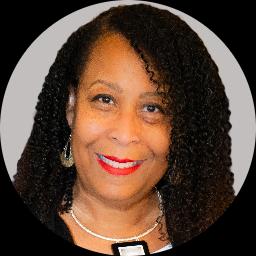
Maria Wilson
LCSW
Compassionate, practical therapy for stressed parents and adults
- Stress, Anxiety
- Relationship
- Family
Clinical social work directory
1,022 therapists list eating disorders among the things they work with. All offer sessions online, and every profile shows the registering body, the membership number and when it runs to.
This directory lists licensed clinical social workers (LCSWs) who work with eating disorders across the United States.
Browse the listings below to review practitioner profiles, focus areas, languages, and clinical experience to find a match for your needs.
LCSW
Compassionate, practical therapy for stressed parents and adults
LCSW
Compassionate social worker focused on practical change
LCSW
Experienced LCSW supporting life changes
LCSW
Restorative, practical therapy for everyday challenges
LCSW
Compassionate, practical care for daily struggles
LCSW
Compassionate, practical therapy for everyday struggles
LCSW
Practical, client-focused support for life changes
LCSW
Practical, steady care from an experienced LCSW
LCSW
Practical, compassionate therapy for life transitions
LCSW
Compassionate, practical support for everyday struggles
LCSW
Practical, skills-focused therapy for life challenges
LICSW, LCSW
Compassionate social worker who supports change
LCSW
Calm, experienced therapist focused on practical change
LISW, LCSW, CSW
Compassionate social worker who values practical steps
LCSW
Compassionate, practical therapy for life challenges
LCSW
Experienced Illinois LCSW helping with mood and relationships
LCSW
Experienced LCSW helping people regain balance
LCSW
Compassionate, practical therapy for life challenges
LCSW
Practical trauma recovery and addiction support
MD, LCSW-C, LCSW
Compassionate, practical help for everyday struggles
LCSW
Compassionate, practical therapy for life's hard moments
LCSW
Compassionate, practical support for life’s hard moments
LCSW
Calm, practical support for life's hard moments
LCSW
Compassionate, practical therapy for everyday struggles
LCSW
Gentle, practical therapy grounded in mindfulness
LCSW
Calm, practical therapy for everyday life
LCSW
Compassionate, practical therapy for life transitions
LCSW, LISW-CP
Practical, faith-informed therapy for everyday struggles
LCSW, CSW
Supportive clinical social worker for life changes
LCSW
Compassionate, practical therapy for everyday challenges
LCSW
Support for addiction, trauma, and eating concerns
LCSW
Compassionate, pragmatic support for lasting change
LCSW
Compassionate, practical therapy for life challenges
LCSW
Practical, client-centered support for life stressors
LCSW
Compassionate, practical therapy for life transitions
Some links on this page are partner links. We will earn a commission if you sign up through one, at no cost to you. It does not change what you pay or the order of the listings.
Eating disorders describe a range of behavioral and emotional patterns related to food, eating, weight, and body image. They can include persistent restrictive eating, binge eating, compensatory behaviors such as purging, or other patterns that interfere with physical health, daily functioning, and relationships. People experiencing these difficulties often report intense preoccupation with food, shame about eating behaviors, mood shifts tied to body image, and disruptions to work, school, or family life. The ways eating concerns show up can vary widely by age, gender, culture, and life circumstances, and many people face overlapping challenges such as anxiety, depression, or medical complications.
Because eating concerns touch both behavior and the larger context of a person’s life, treatment often involves attention to emotional experience as well as practical needs. For many people, addressing factors like food access, family dynamics, work stress, or housing can make therapeutic work more effective. Licensed clinical social workers bring a perspective that considers those environmental factors alongside psychological experience, helping you explore how everyday circumstances connect to patterns around food and body image.
You might consider seeking support if eating-related behaviors are causing distress, taking up a large part of your mental energy, or getting in the way of the life you want to lead. Examples include persistent restriction or fasting that affects your energy or concentration, episodes of binge eating followed by guilt or compensatory actions, or preoccupation with weight and shape that interferes with relationships or work. If you notice physical symptoms such as rapid weight change, dizziness, digestive problems, or irregular menstrual cycles, those can be signs that eating-related behaviors are affecting your health and deserve attention from a clinician working with medical colleagues.
Beyond observable behaviors, you may feel trapped in cycles of shame, secrecy, or attempts to control eating that paradoxically increase distress. Eating difficulties also commonly coexist with other challenges - anxiety, trauma, substance use, or life stressors such as caregiving or financial strain. An LCSW can help you look at the whole context of your life while addressing eating concerns, so you can work toward more stable patterns and improved wellbeing.
When you begin sessions with an LCSW for eating disorders, you can expect an initial assessment that explores your eating behaviors, medical history, emotional wellbeing, and the practical circumstances shaping your daily life. Licensed clinical social workers complete a master’s degree in social work, a state-required period of supervised post-graduate clinical experience, and a clinical licensing exam before receiving licensure from a state board. That training supports a clinical approach that balances psychological understanding with attention to housing, employment, family relationships, and community resources.
Assessment typically includes discussion of physical health indicators and coordination with medical or nutritional providers when appropriate. Your LCSW may ask about patterns around meals, triggers, mood changes, and the impact of eating concerns on relationships and functioning. From there, you and your clinician will form a plan that might include individual sessions, family work, or referrals for medical or nutritional evaluation. Sessions often combine exploration of emotions and beliefs with practical problem solving - for example, creating structured meal plans in collaboration with a dietitian, addressing barriers to access, or building coping strategies for intense urges.
Therapists who work with eating disorders often draw from a range of approaches, and you may see a mix of methods in practice. Some clinicians list cognitive-behavioral approaches among their strategies, which focus on the links between thoughts, emotions, and eating behaviors. Others may list dialectical behavior strategies for emotional regulation, interpersonal approaches that explore relationship patterns tied to eating concerns, or family-based approaches when young people are involved. Narrative and motivational approaches may also appear, especially when the focus is on changing long-standing habits or increasing readiness for change.
Because eating disorders can affect physical health, collaborative care is common. Many LCSWs work alongside primary care clinicians, psychiatrists, and registered dietitians to address medical, nutritional, and medication needs alongside psychotherapy. If you have complex medical concerns, ask how a clinician coordinates with medical providers. LCSWs' training in systems and community resources can also help you access support for housing, insurance navigation, school or workplace accommodations, and social services that affect recovery.
Online sessions can make it easier to see an LCSW when travel, scheduling, or local options are barriers. In telehealth sessions you meet by video or phone, and many clinicians combine remote work with referrals for in-person medical or nutritional evaluation when needed. If you choose online sessions, consider how you will handle measurement of physical indicators such as weight or vital signs - clinicians typically coordinate these checks with local medical providers. Think about the environment where you will attend sessions too - having a calm, personal place for conversation helps maintain focus and emotional safety.
When choosing an LCSW for eating disorders, look for profiles that describe focus areas, populations served, languages spoken, and experience with related issues like trauma or mood disorders. Compare approaches described by clinicians and read how they frame collaboration with medical and nutritional professionals. Because the LCSW license is issued by state boards and scope of practice can vary by state, check that a clinician holds a license in the state where you will receive services. If family involvement is important to you, look for LCSWs who note experience with family-based work or caregiving systems. Consider practical details such as whether the clinician lists experience with adolescents or adults, evening or weekend hours, and whether they mention working with issues like body image, exercise, or co-occurring mental health concerns.
Finding a good match is about both clinical focus and the way a clinician works with you. You may prioritize a clinician who emphasizes coordination with medical care, one who centers family involvement, or one whose approach to coping skills and emotion regulation fits your preferences. Use the listings below to gather information on focus areas, languages, and clinical experience so you can identify LCSWs whose profiles align with the kind of support you want to pursue.