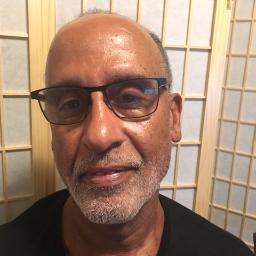
Stephen Weiss
LICSW, LCSW
Calm, steady support for life’s hard changes
- Career
- Stress, Anxiety
- Addictions
Clinical social work directory
3,196 therapists list career among the things they work with. All offer sessions online, and every profile shows the registering body, the membership number and when it runs to.
This page lists licensed clinical social workers who focus on career concerns, from job transitions to workplace stress and professional growth. Browse the therapist profiles below to compare focus areas, approaches, languages, and professional experience as you explore options.
LICSW, LCSW
Calm, steady support for life’s hard changes
LCSW
Compassionate social worker focused on practical change
LCSW
Compassionate practical support for everyday challenges
LCSW
Compassionate therapist helping people build stronger coping skills
LCSW
Restorative, practical therapy for everyday challenges
LCSW
Compassionate, practical therapy for addiction and mood issues
LCSW
Forward-focused therapist for practical change
LCSW
Compassionate LCSW for practical coping skills
LCSW
Compassionate social worker focused on real-life change
LCSW
Practical, respectful therapy focused on real life
Experienced social worker and clinician
LCSW
Compassionate, practical therapy for everyday struggles
LCSW
Practical, client-focused support for life changes
LCSW
Compassionate, practical support for life challenges
LCSW
Practical support for stress and relationships
LCSW
Helping you make steady, practical change
LCSW, LISW
Practical, strengths-focused therapy for everyday challenges
LCSW, CSW
Experienced Georgia LCSW focused on practical support
LCSW
Experienced LCSW offering steady, practical support
LCSW, CSW
Compassionate social worker focusing on relationships
LCSW, CSW
Experienced LCSW focused on practical change
LCSW
Helping people overcome addiction and relationship strain
LCSW
Compassionate, practical care for mood and life changes
LCSW
Attachment-informed practical therapy for parents and adults
LCSW, LISW
Compassionate, practical support for life transitions
LCSW
Compassionate, practical therapy focused on everyday life
LICSW, LCSW
Compassionate social worker who supports change
LCSW
Therapist focused on practical coping skills
Some links on this page are partner links. We will earn a commission if you sign up through one, at no cost to you. It does not change what you pay or the order of the listings.
Career concerns cover a wide range of issues related to work and livelihood. You might be navigating a job search, a promotion, a role change, repeated job losses, conflict with coworkers, burnout, or a mismatch between your values and your work. For many people, work is a major source of identity, income, social connection, and daily routine. When something in that area feels unstable or stressful it often affects sleep, mood, family life, and finances. Licensed Clinical Social Workers - LCSWs - are clinicians who bring a perspective that looks beyond the individual to the person-in-environment. That means when you meet with an LCSW you can expect attention not only to your internal reactions but also to the external conditions that shape your work life, such as housing, caregiving responsibilities, financial pressures, workplace culture, and access to community resources.
To hold an LCSW, a clinician completes a master’s degree in social work, then a period of state-set supervised post-graduate clinical experience - commonly around two to three years and several thousand hours, though the specifics vary by state - and passes a clinical licensing examination. The license is issued and renewed by an individual state board, and scope of practice and title can vary across states. If your career concerns are entangled with life circumstances or systemic barriers, you may find the social work orientation particularly useful because it is trained to consider both personal and contextual factors when planning practical steps forward.
When work is a source of frequent stress or dissatisfaction, it can shape many aspects of your life. You might notice lowered energy, difficulty concentrating, or reduced confidence that carries into social situations and personal relationships. Financial strain or unpredictable schedules can create ongoing anxiety about basic needs, and persistent conflict at work can make you dread certain days or avoid professional interactions. Over time, unresolved career stress can influence your physical health - for example by contributing to poor sleep or headaches - and your sense of identity, especially if you equate self-worth with job performance or title.
Career changes also often require practical problem solving. You may need help updating materials for job hunting, preparing for interviews, negotiating boundaries, or planning a return after a leave. Because LCSWs are trained to examine environmental factors as well as individual strengths, they can help you map out both the internal skills and the external resources that support an effective transition. That might include exploring community programs, employment supports, or workplace policies alongside strategies for stress management and decision-making.
You may consider working with an LCSW for career-related concerns if you find that work drains your energy most days, if you are stuck when trying to make a career decision, or if repeated job transitions leave you feeling anxious or demoralized. You might notice avoidance behaviors, such as delaying applications or withdrawing from networking, or you may experience a clear mismatch between your values and your role that leaves you feeling unfulfilled. Workplace conflict that keeps recurring, that harms your sleep, or that affects important relationships at home are also common reasons people seek professional help.
Other signs include sudden changes in performance at work that are out of character for you, physical symptoms that coincide with work stress, or a chronic feeling that you are not progressing despite effort. If practical obstacles like caregiving responsibilities, unstable housing, or transportation challenges are limiting your job choices, an LCSW can help you consider those environmental factors as part of a realistic plan. You do not need a crisis to benefit from this work; many people seek guidance during transitions, while planning growth, or when they want a clearer sense of purpose in their professional lives.
In initial sessions you can expect a conversation that explores your current situation, immediate concerns, and short-term goals. An LCSW will usually ask about your work history, current role and responsibilities, how work affects other areas of your life, and any practical barriers you face. From there you and the clinician will identify priorities for the next sessions - this might include clarifying career goals, developing coping strategies for workplace stress, creating a plan for job search steps, or addressing boundary-setting and communication skills. Sessions often combine time for reflection about meaning and identity with practical skill-building so that you leave with both insight and actionable next steps.
Across profiles you will find LCSWs who list a range of approaches they use in their work. For example, some therapists list cognitive behavioral methods among their approaches, which focus on identifying unhelpful thought patterns and developing alternative responses. Other clinicians list narrative approaches that help you reframe your professional story and surface values that guide decision-making. Some therapists list solution-focused or strengths-based approaches, which emphasize identifying what is already working and building from those assets. You may also see clinicians who list approaches aimed at improving communication, assertiveness, or stress management. Because the directory records only what a clinician lists, descriptions on profiles indicate approaches they mention rather than certification or specific training in a modality. As you review profiles you can look for language that matches how you prefer to work - whether you want practical career planning, emotional processing, or a blend of both.
Online sessions can be a convenient way to address career concerns, especially if your schedule or geographic location makes in-person meetings difficult. In an online session you and the clinician meet over a video or phone connection in a setting that you choose, which can make it easier to fit work-oriented conversations into a lunch break, commute, or evening. Many people appreciate that online work allows them to bring real-time context into sessions, such as discussing a job posting or preparing for an upcoming meeting. You should expect similar content to in-person work - assessment of your situation, goal-setting, and skills practice - delivered through a virtual format that you both find comfortable.
When selecting a clinician, focus on factors that matter most to your goals. Compare profiles for stated focus areas such as job transitions, workplace stress, leadership development, or vocational planning. Look at the approaches clinicians list to see whether they lean toward practical planning, emotional processing, or a combined approach. Review professional experience and any special populations they mention, such as working with caregivers, veterans, or people in specific industries, and note languages offered if communication in a particular language is important to you. Because LCSW credentialing and scope vary by state, you may want to consider a clinician’s licensure location if that influences your care. It can also be helpful to read clinician bios to get a sense of style and whether you resonate with their way of working. When you contact a clinician, you might ask about their experience with situations similar to yours and about the kinds of steps they typically take when addressing career concerns. Comparing focus areas, approaches, credentials, languages, and professional experience can help you find a clinician whose background and way of working align with the practical and emotional support you are seeking.
Deciding to seek professional support for career issues is a step toward gaining clarity and building a plan that reflects both your personal strengths and your life circumstances. An LCSW brings an orientation that attends to the system around you as well as your inner experience, which can be especially useful when work is entangled with caregiving responsibilities, financial pressures, housing, or community factors. As you explore the listings on this page, you can use the information provided to find clinicians whose focus areas and approaches match the kind of help you want. Whether you need help navigating a transition, reducing workplace stress, improving communication, or aligning your work with your values, a collaborative plan with an LCSW can combine practical steps and personal insight to support your next move.