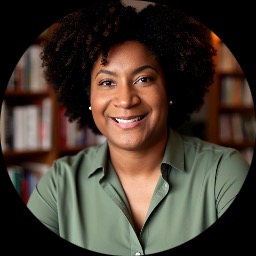
Sarika Griffin
LCSW, LISW
Compassionate, practical care for life’s hard moments
- Relationship
- Trauma and abuse
- Anger
Clinical social work directory
2 Licensed Clinical Social Workers in this directory hold a license issued in Nebraska. Sessions are online; a therapist can usually only see people in the states where they hold a license, so check the license panel on each profile.
Welcome to our Nebraska directory of licensed clinical social workers offering online sessions. Every clinician listed here holds an LCSW license issued by their state board. Explore the profiles below to learn about each therapist's focus, language ability, and professional background.
LCSW, LISW
Compassionate, practical care for life’s hard moments
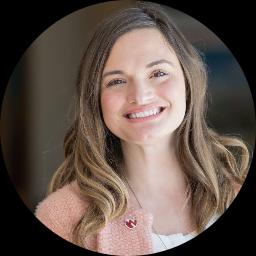
LCSW, LIMHP
Practical support for stress and focus challenges
Some links on this page are partner links. We will earn a commission if you sign up through one, at no cost to you. It does not change what you pay or the order of the listings.
Online sessions with a licensed clinical social worker (LCSW) have become an established option for people across Nebraska. An LCSW is a clinician who has completed a master of social work degree, fulfilled a state-set period of supervised post-graduate clinical experience, and passed a clinical licensing examination. The license is issued and renewed by Nebraska's state licensing authority, so the scope of practice and rules that apply to remote sessions are set at the state level. When you look at listings, you are seeing practitioners who hold that specific credential and who describe their practice areas and approaches.
You can expect online sessions to be offered in a range of formats, from video calls to telephone appointments, depending on what each clinician lists. Online services may make it easier to connect with an LCSW whose training and perspective align with your needs without having to travel long distances. When you review profiles, notice descriptions of clinical interests, languages spoken, and any notes about the populations a clinician focuses on. Those details help you understand how a clinician's experience might match what you are seeking.
The LCSW credential indicates a level of professional preparation and state oversight. Because licensing is managed by Nebraska's regulatory board, the rules for practice, including remote practice, are determined by that body. You can ask a clinician to provide their license number and the name of the issuing board if you want to verify the credential. Understanding that the license is state-issued helps you interpret information on profiles and know where to look for official verification.
Online sessions expand access in a state where communities can be widely dispersed and travel times long. If you live in a rural area, you may find it easier to meet with an LCSW by video than to commute to an urban center. Online options also help when weather, work schedules, caregiving responsibilities, or mobility concerns make in-person visits difficult. You can join a session from your home, a car during a break, or from another location that gives you the privacy you need, as long as you are in a safe, quiet setting.
Another benefit is the potential to find an LCSW whose background aligns with your needs in ways that local scarcity might otherwise prevent. You can look for clinicians who list experience with specific life stages, family structures, cultural backgrounds, or languages. Because social work emphasizes a person-in-environment view - looking at housing, work, family, finances, and community alongside internal experience - an LCSW can help you explore how external circumstances relate to your goals. That holistic perspective is often a reason people specifically seek a licensed clinical social worker.
When you plan for an online session, think about connectivity, device setup, and the environment where you will be most comfortable. Test your internet connection and camera before your first appointment. Decide where you will speak so you can maintain privacy and minimize interruptions. If you share a living space, a brief conversation beforehand with household members about your need for a quiet period can make sessions more effective. Also consider lighting and sound - a simple headset often improves clarity for both you and the clinician.
Licensed clinical social workers often list a wide range of concerns they work with in online sessions. You will find clinicians who focus on mood concerns such as depression and anxiety, relationship and family issues, life transitions like relocation or job change, caregiving stress, grief, and parenting challenges. Many LCSWs also describe work around trauma, substance-related concerns, and adjustment to chronic health conditions. Because social work training centers on the individual within their environment, clinicians commonly integrate attention to community resources, housing needs, employment stress, and social supports into the conversation along with emotional and behavioral concerns.
When you read profiles, keep in mind that the source data records what clinicians list about their focus areas and approaches. You can expect to encounter a variety of clinical approaches across listings, and a profile may note that a clinician lists certain modalities among their approaches. That phrasing clarifies that the presence of an approach in a listing does not, by itself, indicate the clinician's level of training or specialization in that approach. As you evaluate options, look for descriptions that match the challenges you face and the kind of collaboration you prefer.
If you want to confirm a clinician's LCSW credential, gather the full name and any license number provided on the profile. Most state boards offer an online license lookup where you can enter a name or number to view status, expiration date, and any public disciplinary records. You can also contact the licensing board by phone or email to ask about a license status. When you check, you will see that licenses are issued and renewed by the state board and that the board maintains official records of a clinician's standing.
When you review a license record, look for the license status and expiration details, and note whether there are any public orders or actions. If a profile includes a license number, you can use it to speed up the search. If a clinician does not list a number, you can search by name but be mindful of common names. If you have questions about what you find on a board website, the licensing office can explain records and direct you to further resources. Verifying licensure helps you confirm that a clinician holds the title of licensed clinical social worker under Nebraska's rules.
Beginning an online relationship with an LCSW usually starts with reviewing profiles to identify clinicians whose focus areas, languages, and descriptions resonate with you. Think about what matters most - cultural background, experience with particular life stages, age groups, or family constellations, and the ways a clinician describes their person-in-environment perspective. You may value a clinician who notes experience working with specific communities or who lists certain languages among their competencies.
When you reach out to a clinician, plan questions about their approach to the issues you bring, what a typical session looks like, session length, and how they structure goals and follow-up. Ask about administrative details like fees, accepted payment methods, and whether they work with insurance. You can also inquire about session logistics - the typical duration, how records are handled, and what to expect in the first few meetings. These are practical subjects that help you assess fit without focusing on operational availability.
It is normal for the first few sessions to be a time of assessment and mutual fit-building. You should feel able to discuss what you hope to accomplish and how you prefer to work. If language or cultural understanding is important to you, prioritize those factors when reviewing profiles. Trust your sense of whether a clinician listens and responds in a way that supports your goals. Over time, you will develop a clearer sense of whether the clinician's perspective and working style match what you need. If not, profiles make it possible to find other LCSWs whose backgrounds better align with your priorities.
Online sessions with a licensed clinical social worker can offer a flexible path to professional support while honoring the broader context of your life. By focusing on the person-in-environment perspective, an LCSW can help you explore connections between your feelings and real-world circumstances such as housing, work, family, and community resources. Use profile details, licensing verification, and direct conversation with clinicians to make an informed choice. Taking these steps helps you find an LCSW in Nebraska whose experience and approach fit the concerns you want to address.